Training Franchisees Before Opening
Plan franchisee training and competency assessments so that readiness to open rests on demonstrated ability, not attendance alone.
Published
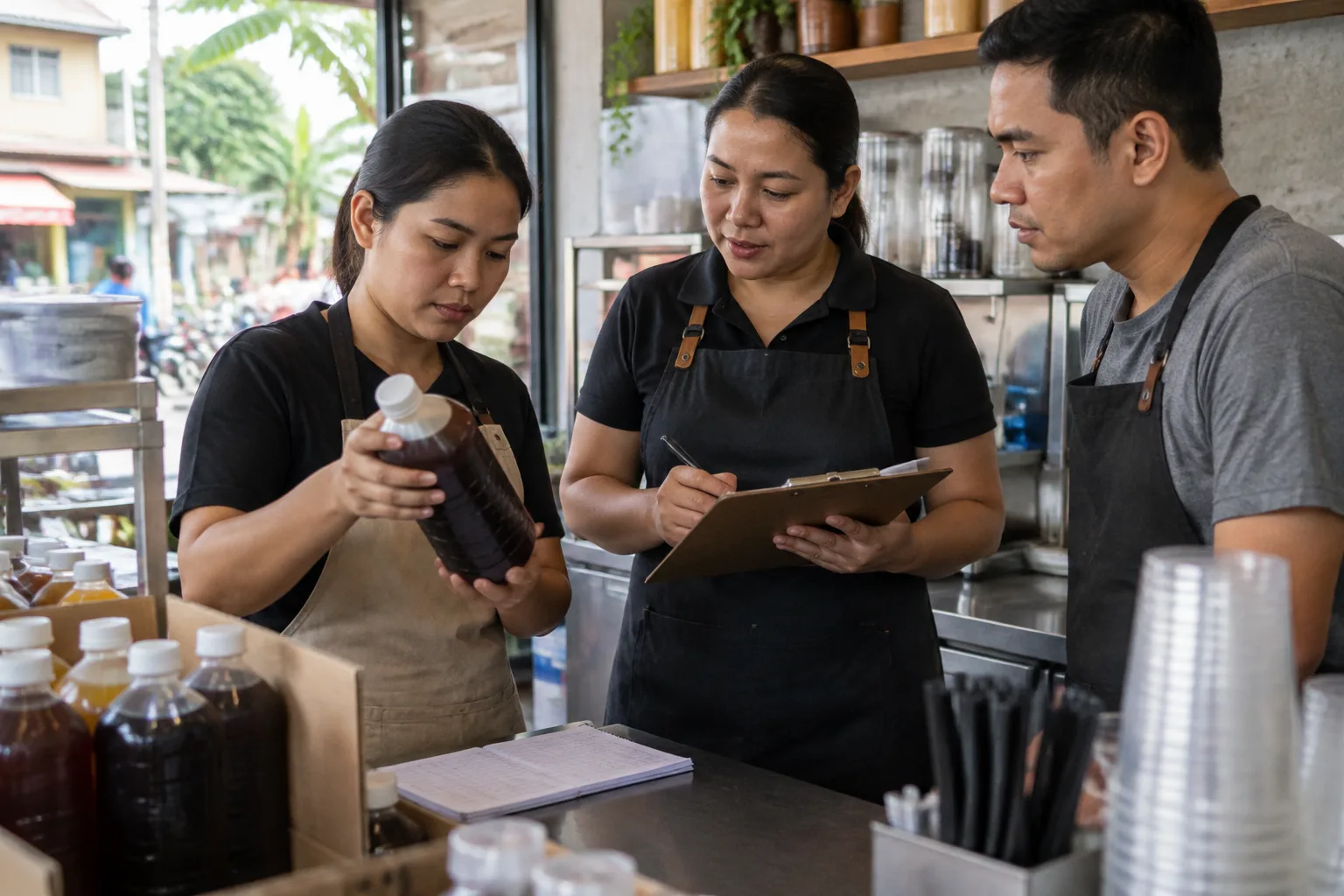
An owner's expertise alone does not make a business ready for franchising. They must be able to pass that knowledge on to someone who has not been involved in day-to-day operations. In franchising, initial training should have a clear goal: the franchisee and their team must be able to run the outlet correctly without a trainer beside them.
1. Define the skills participants must demonstrate
Before drawing up a schedule, list the tasks participants must be able to carry out independently. Separate the responsibilities of the franchisee, manager and staff. They do not all need the same lessons, but each should understand where their own responsibilities begin and end.
For the franchisee, this might include understanding costs, allocating working capital and interpreting reports. For the manager, key skills include assigning tasks, opening and closing the outlet, and handling common operational problems. For staff, prioritise safe and correct product preparation or service delivery.
Use a checklist with four sections:
- Task: What must the participant be able to do?
- Standard: What counts as an acceptable result?
- Evidence: How will competence be demonstrated?
- Assessor: Who has the authority to decide whether the participant has passed?
For example, “explained stock control” is not enough. A clearer outcome is “counted physical stock, reconciled it with the records and explained any discrepancies”. Make the expected results observable and assessable.
2. Structure teaching from explanation through to practice
Prepare a step-by-step approach: explanation, demonstration, guided practice and independent work. Watching an experienced employee can easily be mistaken for learning. Participants must carry out the tasks themselves and explain their decisions.
Use the existing manual as a reference, but do not simply read it aloud to the class. Link each lesson to real situations: stock shortages, incorrectly recorded payments, equipment failures or customers who need clarification.
Distinguish training in routine operations from training for situations that require work to stop or approval to be sought. Participants should know not only how to act, but also when they must not make decisions alone.
Appoint a backup trainer as well. If only the founder can deliver the training, it will be difficult to repeat the programme as the franchise network grows. Prepare teaching guides, practice exercises and consistent marking criteria so that quality does not depend on the trainer's personality.
3. Set out training commitments and costs in the agreement
Before accepting payment, explain who will receive training, where the programme will take place, what it covers, and who will pay for travel, accommodation, meals and wages during training. Also clarify whether training for a replacement manager is included or charged separately.
The Philippines has no single comprehensive law covering every aspect of franchising. However, specific regulations do apply: Executive Order No. 169, series of 2022, establishes protections for franchise agreements involving micro, small and medium-sized enterprises. These include disclosure of fees and detailed franchisor responsibilities, including the type and details of assistance provided. It also requires agreements within its scope to be registered with the Department of Trade and Industry (DTI) under its rules.
The Civil Code is also relevant to contractual obligations. Ask a lawyer to review whether the training conditions are clear and reasonable, particularly the consequences of failing an assessment. Do not leave a promise of “comprehensive training” without a written scope.
Separate the obligation to provide training from any guarantee of success. Skills can be taught and assessed, but this does not guarantee an outlet's profitability.
4. Base approval to open on demonstrated competence
Conduct a final assessment before the scheduled opening. This can combine a short knowledge test, practical demonstrations and a trial covering a typical day's operations. Communicate the standards in advance so that the franchisee faces no last-minute surprises.
Distinguish mistakes that can be corrected as training continues from shortcomings that could create risks. For example, an unsafe procedure should not be overlooked simply because the participant scores highly on other tasks.
If a participant does not pass, provide a written record of the gaps, additional training and a route to reassessment. The agreement should already set out how extra costs and any postponement of the opening date will be handled. Record the results and authorisation to proceed; an attendance certificate is not enough.
Practical reminder: Before offering a franchise, create a competency checklist and have someone who was not involved in developing the system use it. If it is unclear how they will learn and pass, the programme is not yet ready to be repeated for a new franchisee.
Sources
- Turn Your Business in the Philippines Into a Franchise in 5 Steps
- How to Start a Franchise Business: A Step-by-Step Guide
- Philippine Franchise Entry Guide | PDF
- Franchise Business in the Philippines: Legal Rules, Contract ...
- How To Start a Franchise Business in the Philippines: A ...
- How to Register a Franchise Business in the Philippines - CBOS Business Solutions Inc.
- Low-Cost Franchise Business in the Philippines
- Franchise Registration in the Philippines (Quick Guide)