Testing a Branch Before Franchising Your Business
Can your business run without you? Test it in a branch before offering the system to prospective franchisees.
Published
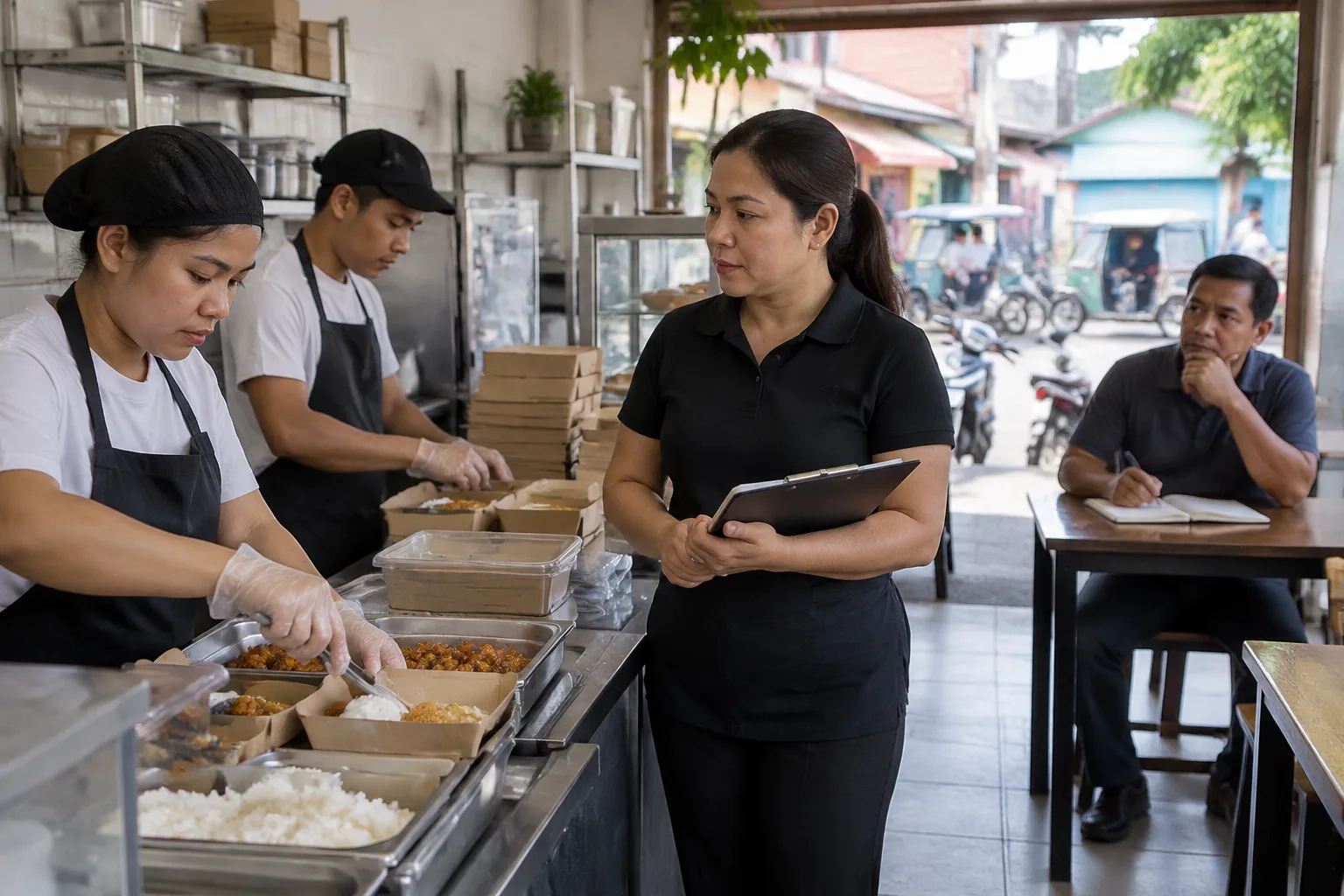
Your first shop has strong sales, but are you still the one solving every problem? Before franchising a business in the Philippines, you need to know whether another manager can replicate its smooth operation. A pilot branch is more than an additional outlet: it is an opportunity to prove that the system works without relying on the owner’s daily presence. This is essential to building a dependable franchise network.
1. Define what you need to prove
The main question is not whether another branch will make a profit. It is whether someone else can run the business you intend to offer to franchisees, using realistic levels of staffing, equipment and support.
You can use an existing branch if its management can be separated from your involvement. Alternatively, you can operate a company-owned branch to test whether the model can be replicated elsewhere. A new shop is not automatically necessary if you cannot yet afford the trial.
Before starting, write down the questions the trial must answer:
- Can the branch open and close correctly without the owner being there?
- Is the product or service consistent across different teams?
- Are procedures followed during busy periods?
- Are routine problems resolved at the designated management level?
- Do the results reflect the full cost of operating the branch?
Set the criteria for success before seeing the results. Use standards suited to the business, rather than figures chosen simply to make the trial look successful.
2. Step back as the owner without abandoning accountability
Appoint a manager with clear decision-making authority. Define what they can approve, when they must seek help, and who will respond if safety or legal compliance is at risk.
The purpose of the trial is not to neglect the branch. It is to remove the owner’s hidden interventions: last-minute supply purchases, free deliveries, covering staff shortages or personally handling every difficult complaint.
Record every intervention by the owner. Include the reason, time spent, decision made and why the manager could not handle it. If the same reason keeps recurring, the team may lack the necessary procedures, authority or skills.
Do not treat food safety risks, risks to workers’ safety or breaches of the law as acceptable experiments. In these situations, intervene immediately and record which part of the system needs fixing.
3. Include the true costs and everyday difficulties
A branch may appear to perform well because it receives support that a future franchisee would not have. For example, storage may be free, a family vehicle may be available at no charge, or the owner’s management time may go unpaid.
In your analysis, distinguish between actual expenditure and a reasonable value for support provided free of charge. Do not alter official records to include fictitious transactions; prepare a separate analysis that clearly states your assumptions.
Also record:
- Management time and support from head office.
- Spoilt or damaged products, rework and customer returns.
- Supply shortages and service delays.
- The cost of replacement staff, repairs and deliveries.
Do not end the trial based solely on the excitement of opening or one busy week. Choose a period that covers normal variations in demand, supply ordering and staff scheduling. No single trial length suits every business.
4. Fix problems and repeat the test
During regular reviews, distinguish between problems caused by the location, staffing and the system itself. If the cause is unclear, do not immediately conclude that you simply need a better manager.
For example, if preparation consistently runs late, establish whether there is insufficient equipment, tasks are being carried out in the wrong order or the expected pace is unrealistic. Change one significant factor at a time so you can see what actually helps.
After making a change, repeat the relevant test. A document stating that an issue has been ‘resolved’ is no substitute for observing the operation working properly. Prepare a brief record of the problem, action taken, results and remaining limitations.
5. Separate operational evidence from legal compliance
A successful trial does not mean you can overlook legal preparation. The Philippines has no single comprehensive law covering every aspect of franchising, but specific rules do apply.
Executive Order No. 169, series of 2022, sets minimum requirements for the content and registration with the Department of Trade and Industry (DTI) of franchise agreements within its scope involving micro, small and medium-sized enterprise franchisees. The Civil Code also governs contracts, while the Intellectual Property Code applies to the use of trade marks and the transfer of know-how. Have a lawyer review how these provisions apply before entering into an agreement.
When offering a franchise, clearly disclose that the results presented come from a company-owned branch, if that is the case. They are not a guarantee of a franchisee’s future earnings.
Practical summary: Before offering a franchise, prove that the branch can operate without your constant intervention. Record the full costs, address weaknesses and test again before deciding.
Sources
- Franchise Business
- Franchising a Business Into the Philippines: Legal and Registration ...
- How to Start a Franchise Business: A Step-by-Step Guide
- Registering Franchise Agreements in the Philippines | QFA
- How do I Franchise my Business? - Blog
- Philippines: Franchise & Licensing
- How To Start a Franchise Business in the Philippines: A ...
- How to Register a Franchise Business in the Philippines - CBOS Business Solutions Inc.