Italianni's prioritises refurbishments in Mexico; network includes 16 franchises
With 76 restaurants in Mexico, Italianni's is focusing on refurbishments and menus priced at MXN 199 rather than accelerating new openings.
Published
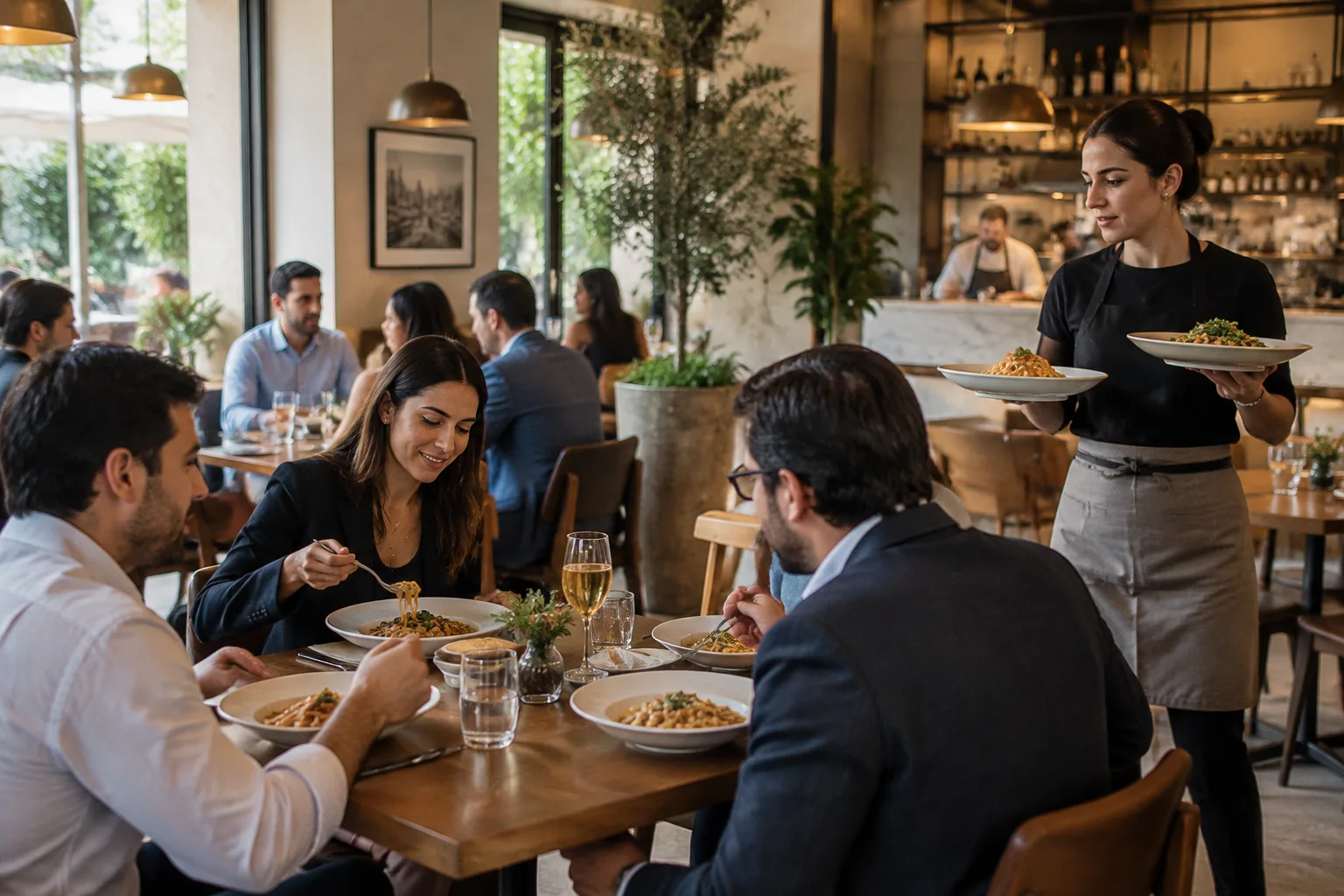
Italianni's is focusing on improving its existing restaurants rather than accelerating its expansion in Mexico. The Alsea-owned chain is combining refurbishments, changes to its food offering and menus priced at MXN 199 to attract new diners and encourage more frequent visits. At the end of September 2026, its Mexican network comprised 76 restaurants, including 16 franchised locations.
Refurbishment before faster expansion
The concept refresh began in 2021, after the pandemic prompted the company to review the profitability of its restaurants. Since then, some investment has been directed towards updating the look of restaurants still in operation, under a strategy that provides for three refurbishments for every new opening.
According to information published on 26 October, Alsea chief executive Christian Gurría said refurbished restaurants had recorded sales increases of between 10% and 20%. That result supports the decision to prioritise the existing network without abandoning new locations altogether.
The figure relates to refurbished restaurants and should not be confused with growth across all Italianni's locations. Nor is it, on its own, a measure of profitability: the reported increase refers to sales.
Around 30% of the restaurants now operate under the updated concept. This proportion includes both refurbished locations and restaurants that opened with the new look, so it does not represent refurbishments of existing premises alone.
A network of 60 company-owned and 16 franchised restaurants
According to the Alsea financial report cited in the coverage, Italianni's ended September 2026 with 60 company-owned and 16 franchised restaurants in Mexico. Franchises therefore form part of the refurbishment strategy, which the company plans to continue over the coming years across both types of restaurant.
The network remains smaller than it was in 2020. That year, the brand had 79 restaurants: 62 company-owned and 17 franchised. The comparison shows a net reduction of three locations, as part of a process focused on retaining the strongest-performing restaurants and strengthening those that remain open.
For the franchise sector, this illustrates a growth strategy that goes beyond the number of new openings. At this stage, the brand is emphasising the performance of existing locations and improvements to the customer experience.
Menus priced at MXN 199 to broaden appeal
The refresh also has a commercial element. Italianni's offers menus priced at 199 Mexican pesos (MXN 199), aimed at consumers who want to manage their spending without giving up visits to full-service restaurants, particularly during the working day.
In an interview with Expansión México, Italianni's managing director Joel Ornelas explained that the offer aims to attract new customers and encourage existing diners to visit more often. The pricing offer sits alongside changes to the restaurants and adjustments to the food offering that retain the brand's Italian inspiration.
The approach brings together two objectives: creating more opportunities to dine out and providing a refreshed experience. It is not simply about changing the look of the premises, but pairing that change with an offer aimed at consumers comparing their eating-out options.
Expansion without a mandatory opening target
Alsea holds the exclusive rights to operate Italianni's in Mexico and grant new franchises, with no contractual obligation to achieve a set number of openings. This allows it to determine the pace of expansion while continuing to refurbish the network.
For context, Alsea's full-service restaurant division in Mexico reported like-for-like sales growth of 3.2% in the third quarter of 2026. This measure covers restaurants that have been operating for more than a year and applies to the division, not exclusively to Italianni's.
The practical takeaway for a franchisee is to assess a refurbishment separately from a new opening, reviewing the investment required, the expected effect on sales and operating costs. The results reported by the brand provide a reference point, not a guarantee of performance for each restaurant.