Hotel Conversions Open a Route to Franchising in Malaysia
IHG’s agreement with King Park Hotel highlights the conversion of existing properties as a route to growth in Malaysia’s hotel franchise sector.
Published

The conversion of existing hotels, rather than just the construction of new properties, is coming into focus as Malaysia’s hotel franchise sector develops. A portfolio agreement between IHG Hotels & Resorts and King Park Hotel Sdn Bhd shows how two properties in Sabah are set to take on different brand identities, with refurbishment and additional rooms following separate timelines.
Existing properties provide a foundation for expansion
According to a DagangNews report dated 28 September 2026, IHG is introducing its franchise operating model in Malaysia through an agreement covering two hotels owned by King Park Hotel Sdn Bhd. The properties are in Kota Kinabalu and Tawau.
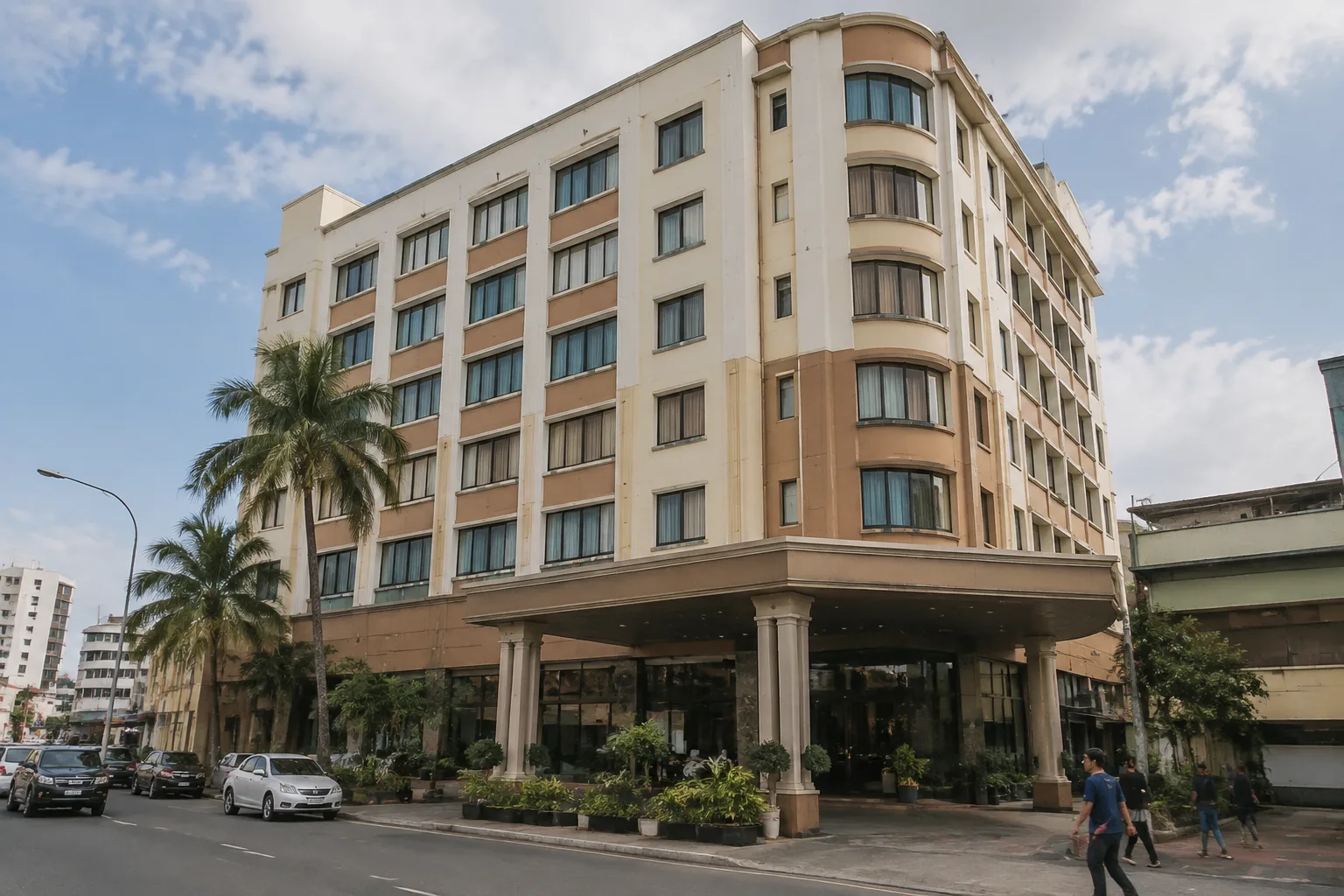
For property owners, the key point is the use of existing hotels as a basis for expanding the network. Under this agreement, King Park Hotel Kota Kinabalu will be rebranded, while King Park Hotel Tawau will undergo a major refurbishment before operating under its new identity.
Bryan Chan, IHG’s Vice President of Development for South East Asia and Korea, said the franchise model would allow the group to pursue more hotel conversion and repositioning opportunities. These include independent hotels as well as properties previously operating under other international brands.
His comments highlight the potential to reposition a property within its market. However, the report does not detail eligibility requirements, conversion costs or the fee structure for hotel owners wishing to adopt the model.
Two properties, different scopes of work
In Kota Kinabalu, King Park Hotel will be rebranded as Garner Hotel Kota Kinabalu, with 106 rooms. A further 96 rooms are expected to be operational by 2029. The room figures in the announcement should therefore be read alongside the stated expansion schedule, rather than treated as capacity that will all be available at once.
In Tawau, the King Park Hotel property will undergo a major refurbishment to become Holiday Inn Express Tawau. The 140-room hotel is scheduled to open in 2028 and will be IHG’s first hotel in the city.
These differences in scope matter to readers interested in franchising. A single portfolio agreement can cover rebranding, major refurbishment and increased capacity without every element sharing the same implementation date.
The available information does not disclose the investment value of either project or a breakdown of the works costs for each property. The announced room numbers and timelines therefore cannot, on their own, support conclusions about total costs, payback periods or the projects’ financial performance.
Distinguish operating hotels from those in the pipeline
The agreement is expected to increase IHG’s presence in Kota Kinabalu to five hotels, including both operating properties and those in the pipeline. Meanwhile, the Tawau project will give the group its first operating presence in that city once the hotel opens.
Across Malaysia, IHG says the addition of these two hotels brings its portfolio to more than 20 operating and pipeline hotels. The network spans urban and resort destinations nationwide.
This figure combines current operations with future developments. It does not confirm that all of those more than 20 hotels are already welcoming guests, nor does it represent the number of franchised hotels already operating in Malaysia.
For anyone assessing the market, separating these categories helps avoid overstating current capacity. The source report does not provide a complete breakdown of operating hotels, pipeline hotels or properties under each operating model. Nor should this two-hotel agreement be treated as a measure of growth across Malaysia’s entire franchise sector.
What hotel owners should check
IHG’s announcement offers a specific example of how existing properties can become part of an international brand’s expansion plans. However, it does not yet provide enough information to compare the viability of a franchise conversion with other hotel operating options.
Owners considering a similar route should seek details of refurbishment requirements, brand standards, operating responsibilities and implementation schedules. These are practical due diligence questions, not specific terms of the King Park Hotel agreement disclosed in the report.
Any review should also distinguish existing room capacity from additions still in the pipeline. In this case, the scheduled opening in 2028 and the addition of rooms by 2029 show that the portfolio will expand in stages, rather than through a single, shared completion date.
Practical takeaway: Use this agreement as an example of a property conversion route within the franchise sector, not as a benchmark for costs or returns. Obtain the actual commercial terms and scope of work before assessing an investment.