Zaatar W Zeit Passes 100 Outlets: A Lebanese Franchise Born in Sodeco
Zaatar W Zeit says it now has more than 100 outlets worldwide, following a journey that began in Beirut in 1999, with franchise partners driving its international expansion.
Published
Zaatar W Zeit’s network has passed 100 outlets worldwide, according to the Lebanese brand in a report published by Leb Business on 16 October 2026. The milestone puts the spotlight back on a business that began with a single shop in Beirut’s Sodeco district and made franchising a primary route to expansion beyond Lebanon, reaching markets in the Gulf, Canada and India.
From a Beirut shop to a network of more than 100 outlets
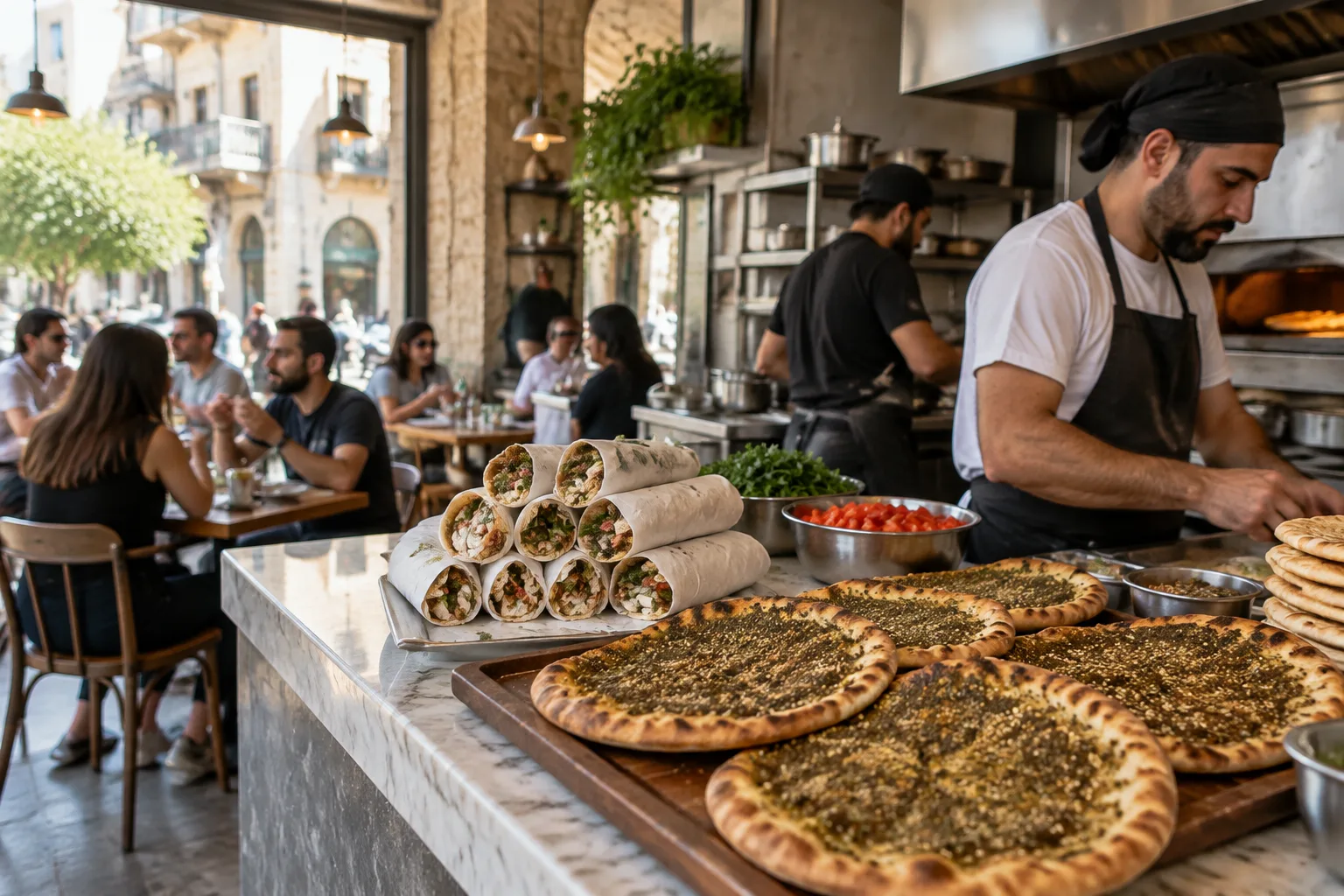
In May 1999, Zaatar W Zeit opened its first shop in Sodeco, serving manakish — Lebanese flatbreads — and wraps to customers stopping for breakfast on their way to work. More than a quarter of a century later, that Beirut shop has become the starting point for an international network that the company says now includes more than 100 locations.
Published figures chart the stages of this growth. In 2019, the network had around 80 outlets. By late 2024, it had 26 in Lebanon and approximately 70 overseas, putting it close to the 100-outlet mark before the latest announcement that it had passed that threshold.
These figures relate to different dates, so the outlet breakdown recorded in 2024 should not be treated as the network’s current distribution. The latest figure is a total of more than 100 outlets, according to the brand, rather than a detailed country-by-country count. The report also cites third-party listings indicating a presence in nine countries across three continents.
For Lebanon’s franchise community, the significance lies in the growth story itself: a brand built around a familiar Beirut product has established an overseas presence larger than its domestic network, while continuing to operate in its home market.
Franchising began in Kuwait in 2004
The brand did not wait decades before expanding abroad. According to its franchise listing, it began franchising in 2004, starting in Kuwait. That put its entry into franchising roughly five years after the Sodeco shop opened.
The 2023 franchise listing states that local franchise partners operate most outlets outside Lebanon, while the company retained direct ownership of its operations in Lebanon and Canada. This is an important distinction when assessing the network’s scale: an international footprint does not mean every location follows the same ownership model, or that every outlet outside Lebanon is franchised.
According to the same information, partners cover the cost of setting up outlets, with the listed initial investment starting at US$800,000. This arrangement allows the brand to enter new cities without directly funding every restaurant from Beirut, helping explain the role franchising has played in its expansion.
However, that investment figure comes from an earlier listing and should not be presented as a current financial offer or a standard cost across all markets. Nor does the number of outlets alone indicate franchisees’ profitability. It describes the scale of the network; assessing a franchise opportunity requires scrutiny of its specific financial and operating terms.
India becomes a new destination through a local partner
One of the more recent milestones was a franchise agreement signed in 2024 with Indian food group Passion Cuisine. The agreement was followed by the opening of Zaatar W Zeit’s first restaurant in Mumbai, adding a new destination beyond the brand’s early markets.
This step shows that entry into India was tied to an agreement with a local partner, rather than being part of an expansion funded entirely through company-owned operations. It is also a concrete milestone linked to a named partner and an opening in a specific city, unlike general statements about future plans or markets under consideration.
In late 2024, the brand’s marketing director said it was in the final stages of signing an agreement with a franchisee in a new country, with other markets also included in its expansion plans. That remains a statement of plans at the time, not a separate announcement of another opening. The Mumbai milestone, by contrast, is reported as an opening that followed the franchise agreement with the Indian group.
Lebanon remained a base for company-owned operations
The chain is owned by Knead Holding. Despite its growing overseas presence, the number of Lebanese outlets rose from 24 in 2019 to 26 in late 2024, meaning the domestic network added locations during the years of financial collapse and their aftermath.
This domestic growth was more modest than the scale of its international expansion, but it shows that passing 100 outlets did not involve abandoning the Lebanese market. Under the ownership structure described in the 2023 listing, Lebanon and Canada remained company-owned operations, while franchise partners accounted for most expansion in overseas markets.
The practical lesson for Lebanon’s franchise community and prospective international investors is to distinguish between the total outlet count, ownership models and the dates of published investment figures. Anyone considering a franchise should request up-to-date terms for their target market, rather than relying solely on the network’s size or a set-up cost quoted in an earlier listing.
Sources
- From One Beirut Shop to 100 Branches
- Industry Minister holds talks in Paris
- فرنسا والشغب … من مرصد بيروت!
- الداخلية الفرنسية: اعتقال 2397 شخصًا وإصابة 997 عنصر أمن جرّاء أعمال العنف
- وزيرا الخارجية والجيوش الفرنسيان يزوران لبنان لبحث ترتيبات ما ...
- Franchise News Desk | Indian & Global Franchise Updates
- فرنسا تجدد ضرورة احترام وقف إطلاق النار في لبنان وحماية المدنيين والبنى التحتية
- وزيران فرنسيّان في لبنان للتشاور في ما بعد "اليونيفيل"! | صيدا اون لاين