More Than 220 Lebanese Brands Abroad: Expansion Beyond Traditional Cuisine
Khaled Nazha says Lebanon exports more than 220 brands, spanning coffee, manousheh and fast food, while domestic investment continues at a limited pace.
Published
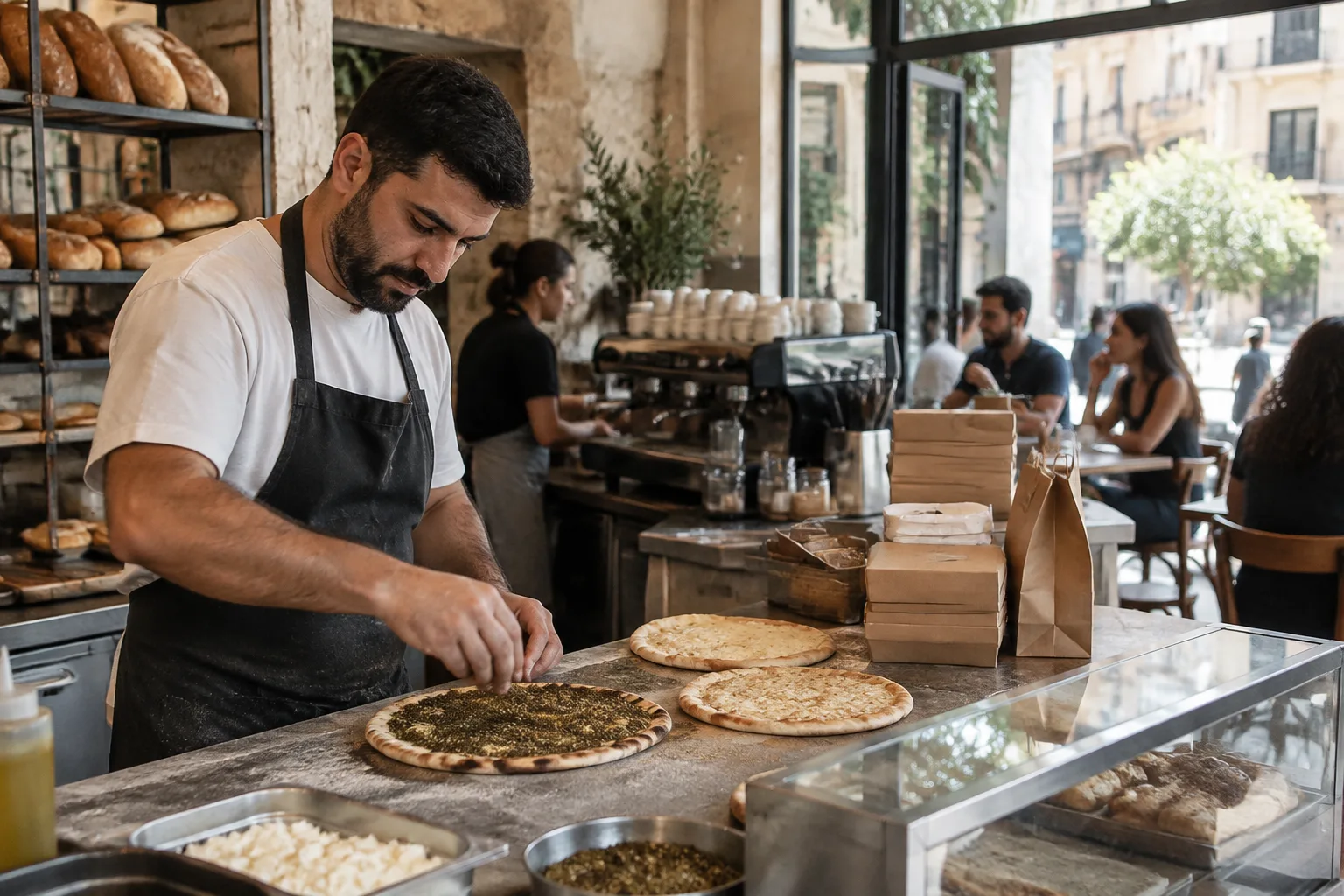
Lebanese brands abroad are no longer confined to restaurants serving traditional Lebanese cuisine. According to Khaled Nazha, vice-president of Lebanon’s Syndicate of Owners of Restaurants, Cafés, Nightclubs and Patisseries, Lebanon exports more than 220 brands to overseas markets, with concepts spanning fast food, coffee and manousheh — Lebanese flatbread. This diverse international presence comes as new venues continue to open at home, albeit at a limited pace and under mounting operational and financial pressure.
From importing brands to exporting concepts
In comments published by Lebanon Economy on 27 October 2026, Nazha said Lebanon had considerable potential in the restaurant sector and franchising community, highlighting its shift from importing brands to exporting more than 220 overseas. He linked the prospects for improving domestic conditions to political and security stability, against a backdrop of regional crisis affecting business activity.
His remarks highlight the variety of concepts Lebanese brands are taking into overseas markets. These extend beyond traditional Lebanese cuisine to include fast food, coffee, manousheh and other food formats. Nazha thus describes a commercial presence encompassing a range of products and hospitality formats, rather than a single restaurant model.
The figure he cited refers to brands exported overseas, not the number of outlets or franchise agreements. Nor do his comments specify how each brand has expanded. This distinction matters when considering the news from the perspective of Lebanon’s franchising community: a brand’s overseas presence alone does not establish how many franchises it has or how its locations are operated.
Domestic openings continue, but at a limited pace
Alongside this overseas presence, Nazha confirmed that restaurant investment within Lebanon had not stopped. Some new businesses continue to open despite current conditions, but the pace of investment remains limited. His comments did not provide an opening count or a list of new brands, instead describing continued activity in a challenging environment.
This picture brings together two simultaneous trends: new businesses entering the market and established operators working to remain viable. Continued openings should therefore not be read as evidence of a broad recovery, but neither would it be accurate to suggest that investment has stopped altogether. Nazha describes limited activity amid challenges that affect businesses’ day-to-day decisions.
For those following the franchising sector, these openings remain a sign of continued entrepreneurial activity, without implying that every new venture is a franchise. The opening of a restaurant or café does not automatically make it part of a franchise network unless its relationship with the brand and its expansion model are specified.
Operating costs and funding pressures threaten business continuity
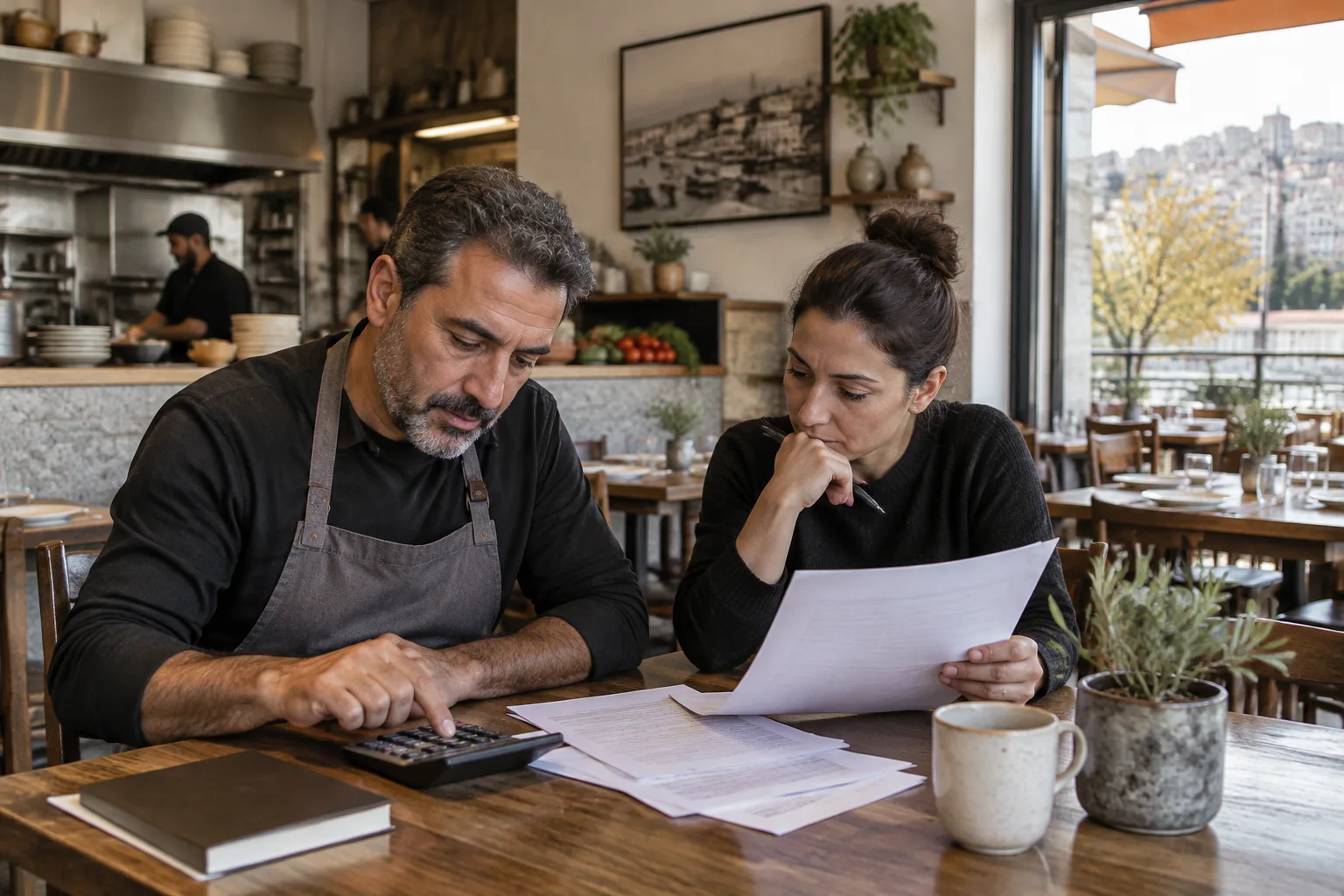
Nazha placed the restaurant sector’s situation in the context of the regional crisis, citing war, economic stagnation, inflation and rising operating costs, alongside declining purchasing power among Lebanese consumers. In his account, these factors explain the difficulties businesses face despite some continued new investment.
He acknowledged that a number of businesses face difficulties that could force them to close. At the same time, he stressed the efforts of restaurant and café owners to adapt and make sacrifices wherever possible to preserve their businesses and retain their staff. His comments concern risks facing some operators; they do not provide a tally or percentage of closures that have already occurred.
He also noted that business owners continue to pay suppliers and taxes and meet their obligations, despite limited financial resources and the absence of bank loans that could help them through this period. This places business continuity at the heart of the story, alongside the brands that have successfully expanded abroad: overseas expansion and the ability to fund domestic operations are separate considerations when assessing any business.
Calls to modernise legislation and infrastructure
Turning to the conditions needed for improvement, Nazha expressed hope for greater stability, alongside government efforts to update tourism legislation and regulations in line with developments in restaurants and other activities. He also called for infrastructure improvements, describing the need as urgent. These are proposals to support recovery, not an announcement of legal changes already in force.
According to Nazha, the diversity of Lebanese brands and their overseas presence can help support the national economy and strengthen their position in international markets. His comments nevertheless set this potential alongside tangible domestic pressures, linking growth opportunities to the conditions required for stability, operations and financing.
Practical takeaway: For members of the franchising community assessing a new opportunity, the variety of Lebanese concepts expanding abroad merits attention, while keeping the distinction between brand numbers and franchise numbers clear. Before making an investment decision, reviewing the expansion model, operating costs and ability to meet financial obligations remains more important than relying on overseas presence alone.