Sambal Bakar Surabaya Dispute Settled Amicably, Complaints to Be Withdrawn
A Sambal Bakar Indonesia investor and Richard Theodore have reached an amicable settlement. Steps will now be taken to withdraw the police complaint and arbitration claim.
Published
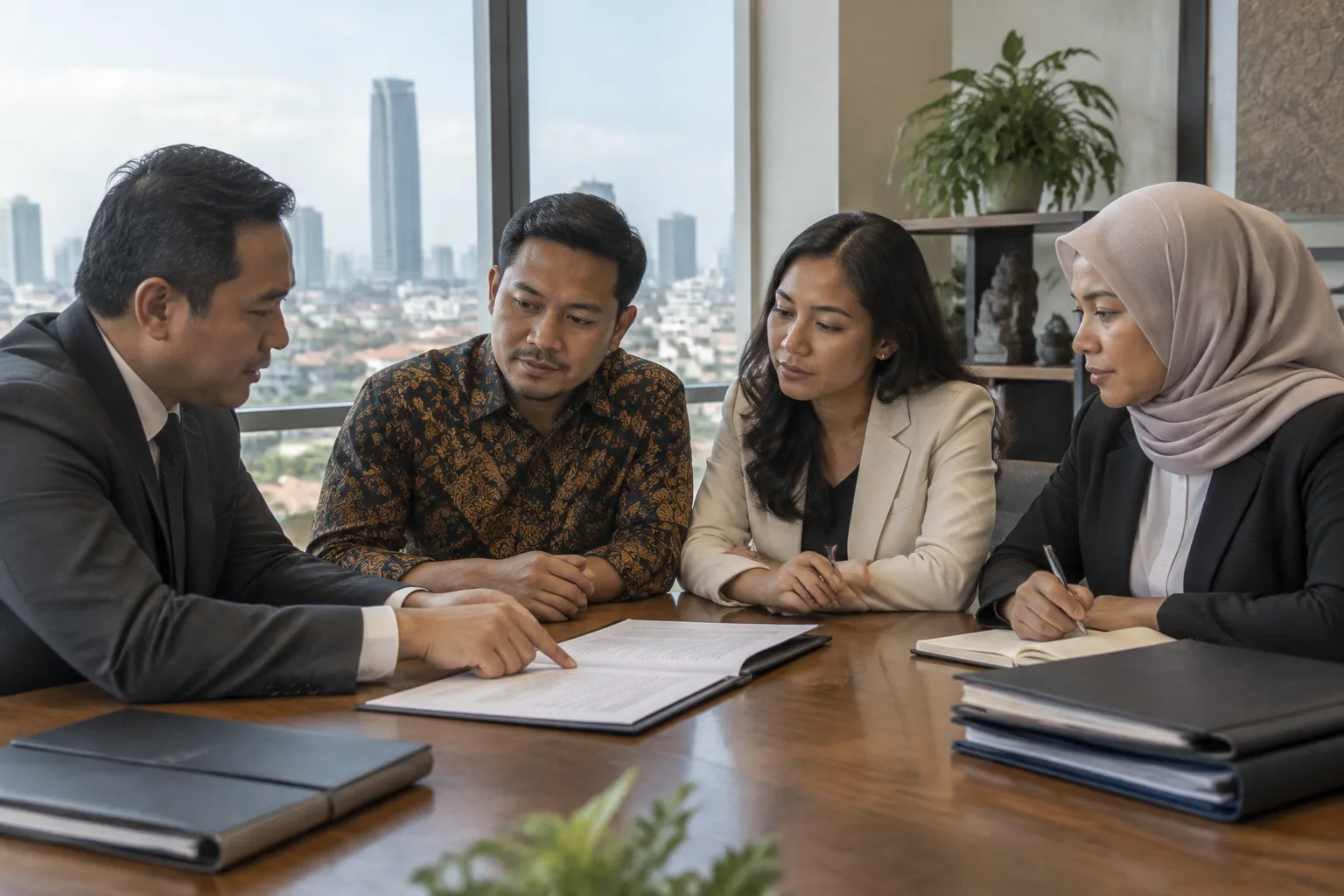
The investment dispute between Stefanita Virdiani Suhart and Richard Theodore over Sambal Bakar Indonesia’s (SBI) Surabaya branch has moved towards an amicable resolution. Both parties signed a settlement agreement on 14 October 2026. Following the agreement, Stefanita’s representatives said they would begin the process of withdrawing the police complaint and arbitration claim previously filed.
Settlement followed by plans to withdraw proceedings
According to a Kompas.com report published on 19 October 2026, the dispute was resolved through amicable discussions. Melany Lassa, a member of Stefanita’s legal team, confirmed that steps would soon be taken to discontinue all ongoing legal proceedings relating to the case.
This includes withdrawing the complaint filed with Surabaya Metropolitan Police under reference LP/B/2052/X/2026/SPKT/POLRESTABES SURABAYA/POLDA JAWA TIMUR. In addition to the police complaint, Stefanita’s side will withdraw arbitration claim number 49054/VIII/ARB-BANI/2026, registered with the Indonesian National Board of Arbitration (BANI).
This development marks a change in direction for a dispute previously pursued through those two channels. The latest news centres not on the filing of proceedings, but on both parties’ agreement to end the conflict and follow through by withdrawing their filings.
However, the settlement agreement should be distinguished from the formal status of the proceedings. The legal team’s statement still describes withdrawal as a step to be taken. The announcement of a settlement therefore does not necessarily mean that the police complaint and arbitration claim had both been formally withdrawn at the time of reporting.
SBI denies allegations of fraud
SBI’s Head of Legal, Kristofer Oscar, who also represents Richard Theodore, rejected allegations against his client of fraud and embezzlement involving Rp1.4 billion (Indonesian rupiah). He conveyed the denial to Kompas.com in a text message on 18 October 2026.
“There was no fraud and no embezzlement,” Kristofer said.
SBI stated that the matter had been fully resolved. Both parties were said to have settled their differences amicably and apologised to each other for the public controversy and the circulation of information about the dispute.
The assertion that the matter was fully resolved reflects SBI’s position following the settlement. Stefanita’s legal representatives, meanwhile, emphasised the next steps of withdrawing the complaint and claim. Both statements describe an agreed resolution, with the formal withdrawal of proceedings still to follow.
When assessing this development, the allegations underlying the earlier complaint must be distinguished from facts established through legal proceedings. An amicable settlement is not grounds for presenting allegations against either party as proven findings.
Origins in a drinks franchise plan
The dispute originated in a verbal agreement between Stefanita and Richard in early 2022. The project, initially intended to be a drinks franchise, was later redirected towards SBI’s Surabaya branch.
According to the background reported by Kompas.com, Stefanita contributed capital in instalments totalling Rp1.4 billion. Her side said the original agreement provided for an equal split of the investment, with each party contributing 50 per cent. However, Stefanita believed she ultimately bore around 70 per cent of the total funding required.
These figures and objections form part of the complainant’s account of the dispute, rather than court findings. SBI, for its part, denies that any fraud or embezzlement occurred in the investment relationship.
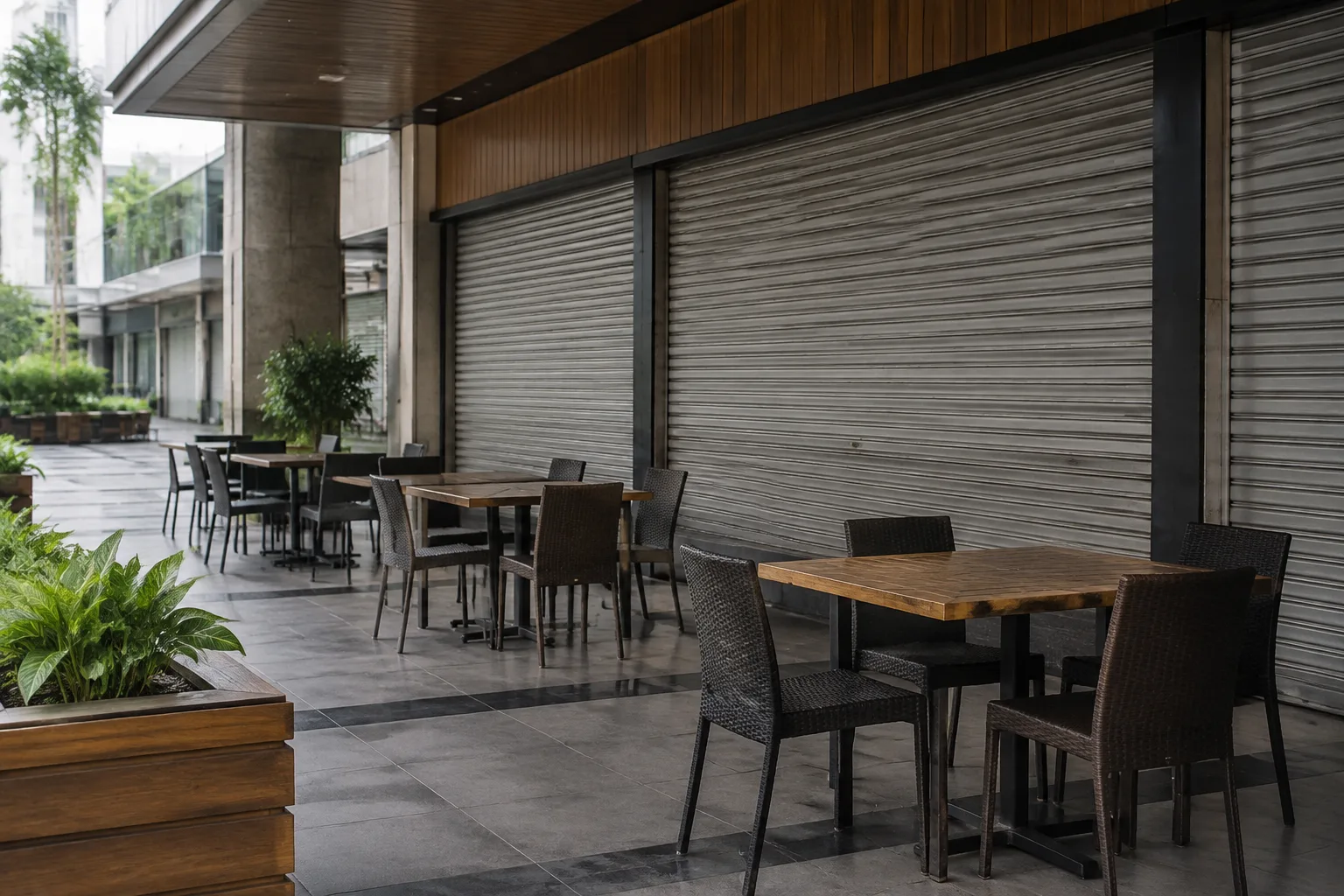
The dispute came to a head in May 2026 when the outlet at G-Walk in Surabaya closed. According to the complainant’s account, profit distributions stopped and discrepancies emerged in the accounting for the funds contributed. Disagreements over capital contributions and how the funds were accounted for were central to the conflict.
Before legal proceedings began, the parties held negotiations and face-to-face mediation, and two formal demand letters were sent. Those efforts did not produce an agreement at the time. A joint resolution was eventually reached through the settlement document signed in October 2026.
Documentation lessons for the franchise community
For the franchise community, this case highlights the importance of keeping records from the outset of investment discussions. The business relationship in this dispute involved a verbal agreement, a change in the proposed venture, and differing views on capital contributions and the accounting for funds.
As a precaution, prospective partners should record changes to business plans in writing, agree on how capital contributions will be calculated, and retain proof of payments. Terms covering profit distributions, outlet closure and dispute resolution should also be reviewed before the investment goes ahead.
Practical takeaway: document agreements and every subsequent change. If a dispute ends in an amicable settlement, make sure the administrative follow-up is monitored too, rather than treating the signing of the agreement as the final step.