Franchise Investors Become More Selective as Purchasing Power Comes Under Pressure
Indonesia’s Franchise and Licensing Association says prospective franchisees are scrutinising investment viability, track records and operational support more closely before choosing a franchise.
Published
Prospective investors in Indonesia’s franchise sector are becoming more selective about business opportunities as purchasing power comes under pressure, costs rise and consumer behaviour changes. The Indonesian Franchise and Licensing Association (WALI) says prospective franchisees now assess everything from business track records and investment viability to brand protection and operational support from franchisors.
Prospective Franchisees Scrutinise Offers More Closely
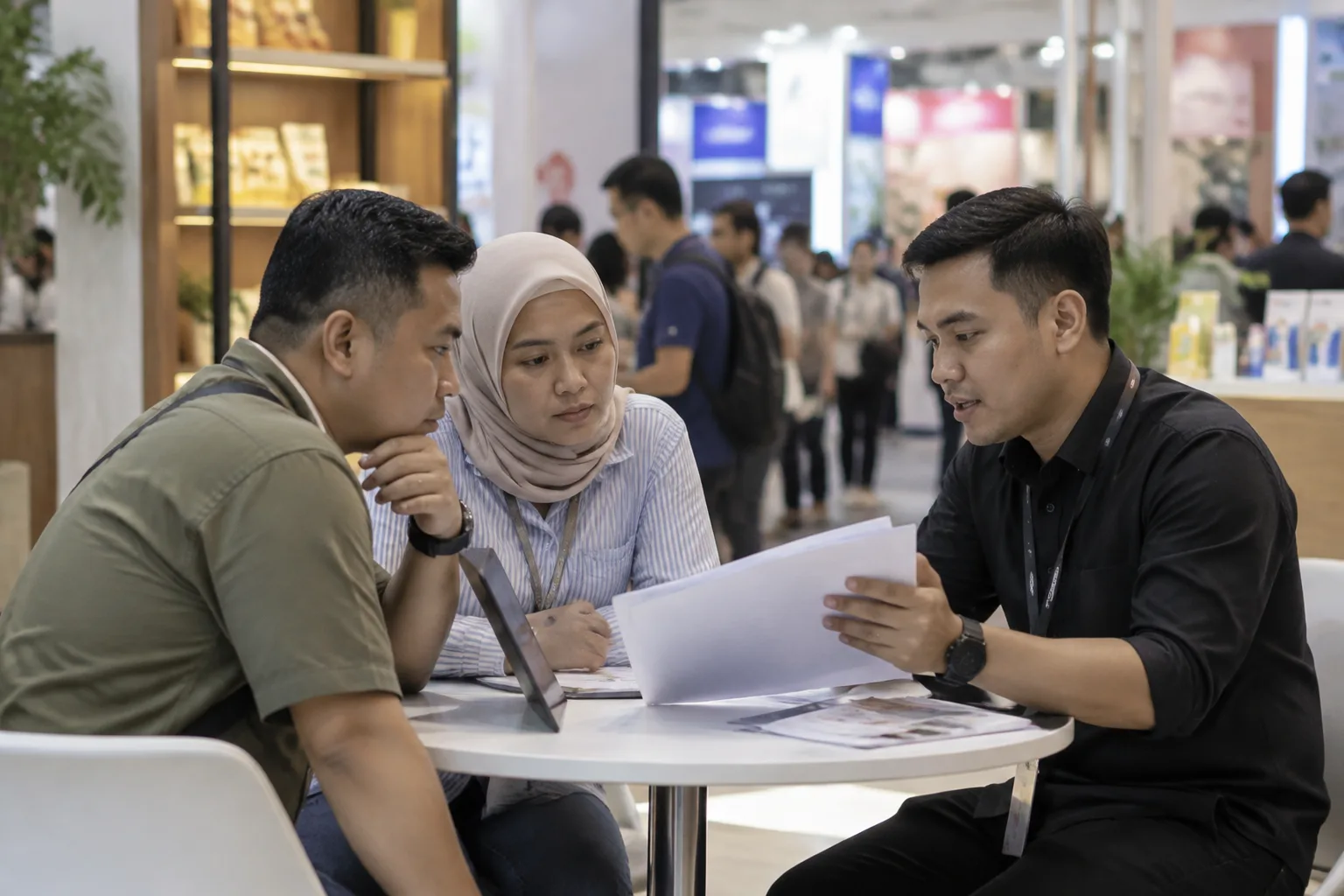
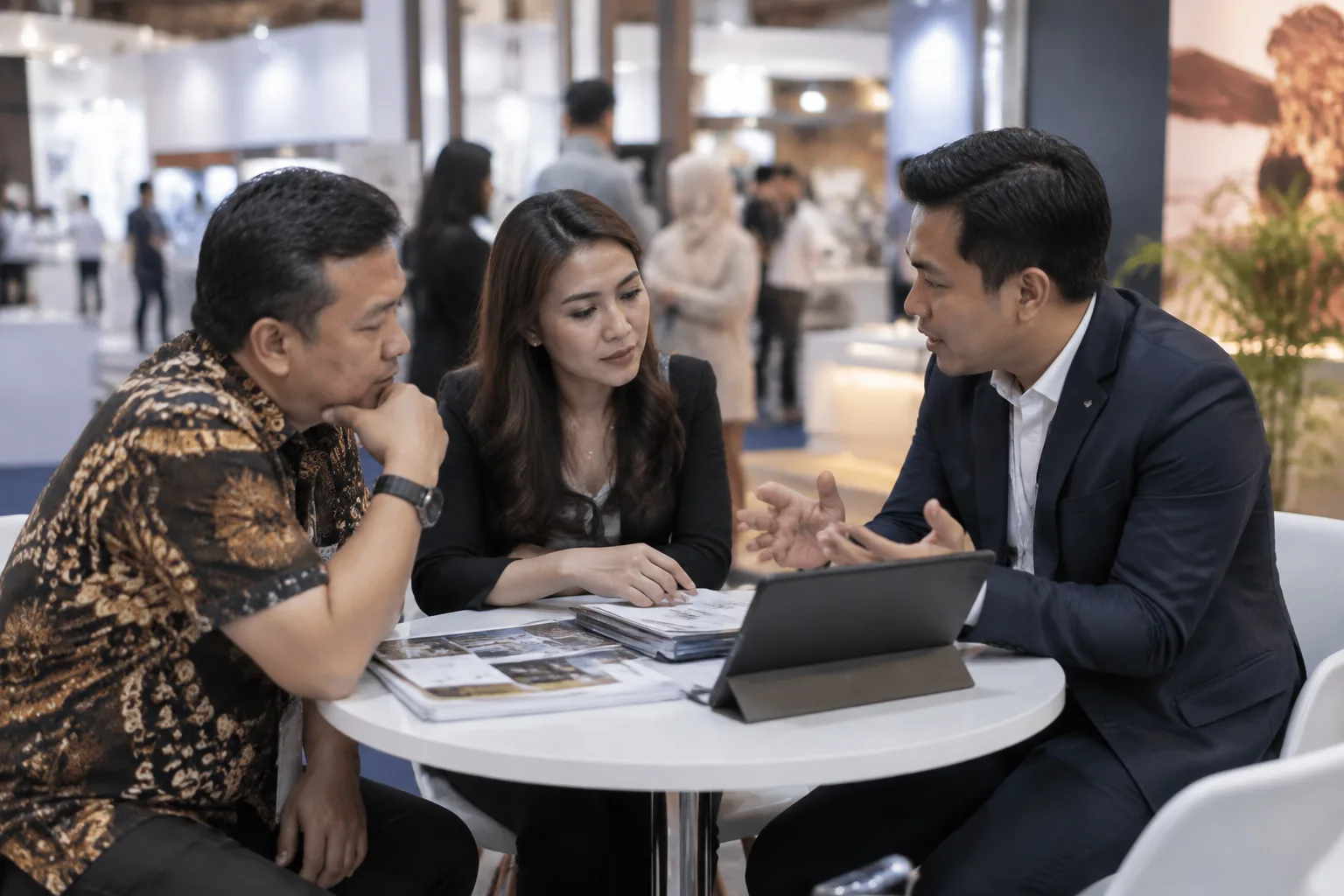
WALI Chairwoman Levita Ginting Supit outlined this trend at Franchise and License Expo Indonesia in PIK 2, Tangerang, Banten, on Friday, 9 October 2026. According to a report by ANTARA, she said prospective franchisees were taking a more critical approach before deciding to join a business network.
“Consumers’ purchasing power is under pressure. Raw material prices and operating costs have risen, and competition is becoming more open,” Levita said.
These conditions are prompting more cautious investment assessments. Alongside track records and business viability, prospective franchisees are considering whether a business model can adapt to technological developments and changing consumer behaviour.
A similar picture emerged in Liputan6.com’s coverage of the exhibition. Visitors came with a range of aims, from seeking inspiration and comparing opportunities to calculating whether a business would be viable. Limited capital and economic uncertainty are encouraging prospective entrepreneurs to weigh their options more carefully before making a choice.
Prospective franchisees are therefore looking beyond the choice of product or brand. The support they will receive after joining also forms part of their assessment. For the franchise sector, this makes operational readiness a key topic of discussion between brand owners and prospective franchisees.
Technology Assessed for Its Operational Value
Levita said digital technology was becoming increasingly important in business management. Its uses include marketing, payment systems, inventory and supply chain management, consumer behaviour analysis, and monitoring compliance with operating standards across outlets.
This list illustrates the breadth of the management needs discussed by WALI: technology is not just about attracting customers, but also about the day-to-day work of running a network. Inventory, supplies and the implementation of outlet standards are all elements of the systems considered when assessing a business model’s ability to adapt.
According to Levita, consistent business systems and service quality are necessary for a business model to work across different locations. She also described legal compliance as a foundation of the relationship between franchisor and franchisee.
Prospective franchisees can use these points to frame their questions when comparing offers. Discussions should go beyond whether a brand uses technology to establish what functions it provides and what support franchisees receive. This is a practical due diligence step, not a guarantee that an offer will deliver a profit.
National Growth Provides Context, Not a Guarantee
Investors are becoming more selective even as Indonesia’s franchise sector continues to grow. Ministry of Trade figures cited by ANTARA show that national franchise turnover exceeded Rp143 trillion in 2024, with the sector employing around 98,000 people.
Growth in 2025 reportedly reached around 6 per cent, exceeding the 5 per cent target. Meanwhile, 169 domestic franchisors held a Franchise Registration Certificate (Surat Tanda Pendaftaran Waralaba, or STPW), compared with 163 foreign franchisors.
These figures indicate the scale of Indonesia’s franchise sector and the presence of local franchisors in official records. However, national data must be read within its scope: aggregate turnover and annual growth are not direct measures of investment viability for individual brands or outlet locations.
Prospective franchisees therefore still need to distinguish between national growth trends and their assessment of the particular offer under consideration. Business track records, franchisor support and the readiness of operational systems remain relevant areas for scrutiny, reflecting the investor priorities outlined by WALI.
Long-Term Viability Goes Beyond Adding Outlets
Levita said the development of the franchise sector should focus on more than increasing the number of brands and outlets. Creating new entrepreneurs, generating employment and increasing the involvement of micro, small and medium-sized enterprises in supply chains also deserve attention.
She identified stronger business systems and adaptability as important factors in maintaining long-term viability amid changing economic conditions and increasingly open market competition. This emphasis complements the picture of more discerning investors: network growth needs to be underpinned by the ability to run businesses consistently.
A practical step for prospective franchisees is to compare track records, investment viability, brand protection and operational support before making a decision. Use meetings with franchisors to seek concrete explanations of the systems you will use, rather than focusing solely on plans to add outlets.
Sources
- Investor waralaba makin selektif di tengah tekanan daya beli
- Mendag: Waralaba lokal bisa jadi pilihan usaha anak muda
- Mendag Ajak Anak Muda Lirik Bisnis Waralaba
- Waralaba di Tengah Ekonomi Tak Menentu, Calon Mitra ...
- Mendag Ajak Anak Muda Berbisnis, Waralaba Lokal ...
- Waralaba Masih Bisa Menjadi Pilihan Menjalankan Bisnis ...
- Waralaba Lokal Salip Asing, Mendag Dorong Merek ...
- Bisnis Franchise Lokal Berpeluang Go Global, Mendag ...