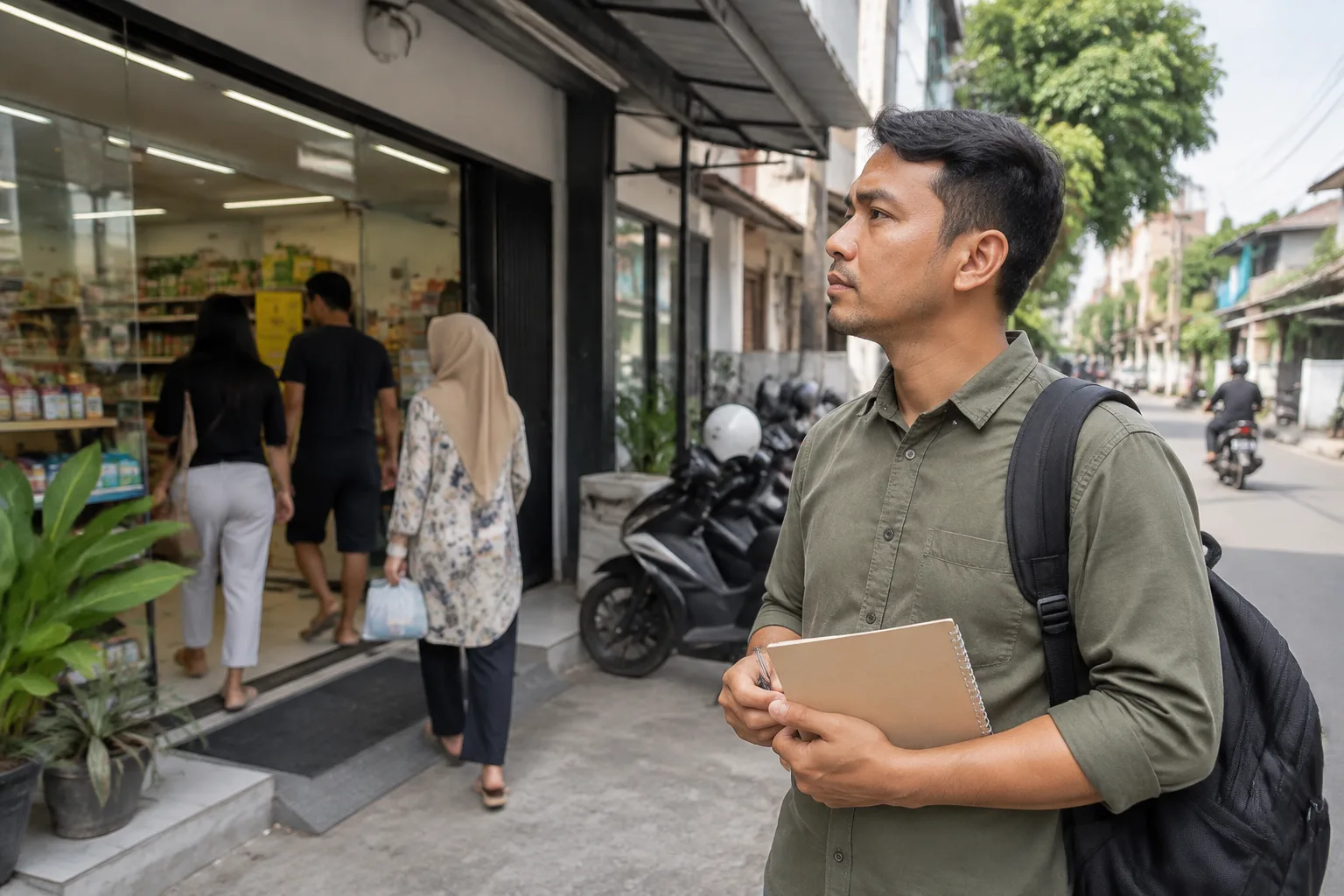
Buying an Existing Franchise Outlet: Check for Outstanding Debts
Taking over an existing franchise outlet in Indonesia? Check arrears, customer obligations and the transaction structure before paying the current owner.
Published

Buying an operating franchise outlet can look easier than opening a new one: there are already customers, staff are in place, and sales records are available to review. However, the purchase price may not reflect all the obligations you could face. When a franchise outlet changes hands, checks on existing debts and liabilities are essential to avoid buying a business that looks healthy but carries hidden burdens.
1. Establish exactly what you are buying
Before assessing the price, distinguish between buying the outlet’s assets and buying shares in the company that operates it. Both can give you control of the business, but they have different implications for existing liabilities.
For an asset purchase, draw up a detailed list of what is being transferred: equipment, stock, fixtures and fittings, and any specific rights that can be transferred. Do not assume that the franchise agreement, premises lease, service accounts or employment relationships automatically transfer alongside the till and customer tables.
For a share purchase, the operating company remains the same legal entity even though its shareholders change. Its debts and liabilities generally remain with the company. Due diligence must therefore go beyond the condition of the outlet to include the company’s documents and transactions.
Ask a legal adviser to explain the transaction structure in writing. Avoid vague terms such as “takeover of the entire business” without specifying which assets, shares, contracts and liabilities are included or excluded. An agreement between buyer and seller does not automatically bind creditors or other third parties.
2. Cross-check the list of liabilities against independent evidence
Request a list of all liabilities as at the review date, rather than simply accepting a statement that the outlet is “problem-free”. For each liability, record the creditor’s name, the amount, the due date, whether it is disputed, and the supporting evidence.
The review should cover:
- Franchisor: outstanding royalties, marketing contributions, system charges and other payment obligations.
- Landlord: rent arrears, service charges, utilities and obligations to restore the premises to an agreed condition.
- Suppliers: unpaid invoices, goods held on consignment, and orders already approved but not yet received.
- Employees: wages, overtime, religious holiday allowances (known in Indonesia as THR), social security contributions, and potential liabilities arising from changes to employment relationships.
- Tax: filings, payments, audits and disputes relevant to the company or the transaction.
- Customers: order deposits, prepaid packages, vouchers, membership balances and outstanding refunds.
With the seller’s permission, cross-check the list against bank statements, ledgers, invoices and direct confirmations from the relevant parties. Evidence of payment for the most recent month does not prove that all earlier periods have been settled.
Also look for payments already received by the current owner for services that will only be delivered after the takeover. For example, prepaid service packages may leave the buyer bearing the cost of providing services without receiving any new cash. Their value needs to be reflected in discussions about the price and the allocation of responsibilities.
3. Separate approval to use the brand from the sale transaction
Paying the current owner is not proof that you have acquired the right to operate the outlet under the same brand. Make sure the franchisor knows about the proposed transaction and explains the approval process, prospective franchisee checks and required documents.
Indonesia specifically regulates franchising through Government Regulation No. 35 of 2024 on Franchising, which replaced Government Regulation No. 42 of 2007. The regulation provides for franchise operations to be based on an agreement and requires the parties specified in it to hold a Franchise Registration Certificate, known as an STPW.
If the takeover requires you, as a prospective franchisee, to sign a new franchise agreement, the franchisor must provide an offering prospectus at least 14 calendar days before signing. Do not assume that buying an existing outlet removes this requirement.
Obtain written confirmation of whether the transaction requires a new agreement, a transfer of the existing agreement, or approval for a change of ownership. Also check what administrative steps are needed for the STPW under your transaction structure; do not assume that the current owner’s documents automatically apply to the new buyer.
Equally importantly, ask whether any arrears or breaches by the current owner could prevent approval. Make their resolution a condition of final payment, rather than a promise to be dealt with after you take control of the outlet.
4. Make settlement of liabilities a condition of payment
The findings of your due diligence should be reflected in the transaction documents. Attach an agreed schedule of liabilities, specifying who will pay each one and what evidence must be provided. Set a clear cut-off date for allocating responsibility, particularly for bills issued only after handover.
Consider arranging for part of the purchase price to be paid directly to creditors, with the parties’ agreement. Alternatively, negotiate the retention of part of the payment to cover existing liabilities that cannot yet be confirmed. The amount, retention period, claims process and release arrangements must be set out in writing.
Ask the seller to provide statements confirming the completeness of the information disclosed, together with an obligation to compensate you for undisclosed existing debts, on terms reviewed by a legal adviser. This protection still depends on the seller’s ability to meet those obligations; contractual clauses are no substitute for due diligence.
At handover, update the list of liabilities, carry out a joint stocktake and document outstanding customer orders.
Practical rule: do not pay based solely on turnover and the condition of the outlet. Establish what you are buying, who is responsible for existing liabilities, and what evidence of settlement is available before releasing the final payment.
Sources
- [PDF] KEBIJAKAN WARALABA - JDIH Kementerian Perdagangan
- Menimbang
- Waralaba: Syarat dan Hukum di Indonesia | PDF
- Bisnis Franchise di Indonesia dari Masuk hingga Aturan Baru
- PERJANJIAN WARALABA DAN PERSAINGAN USAHA
- PERATURAN PEMERINTAH REPUBLIK INDONESIA
- BERITA NEGARA REPUBLIK INDONESIA - peraturan.go.id
- Jurnal Lex Suprema