Buying a Franchise: Test Whether the Location Fits Your Customers
A busy location is not necessarily right for a brand. Assess customers, access and visiting patterns before buying a franchise.
Published
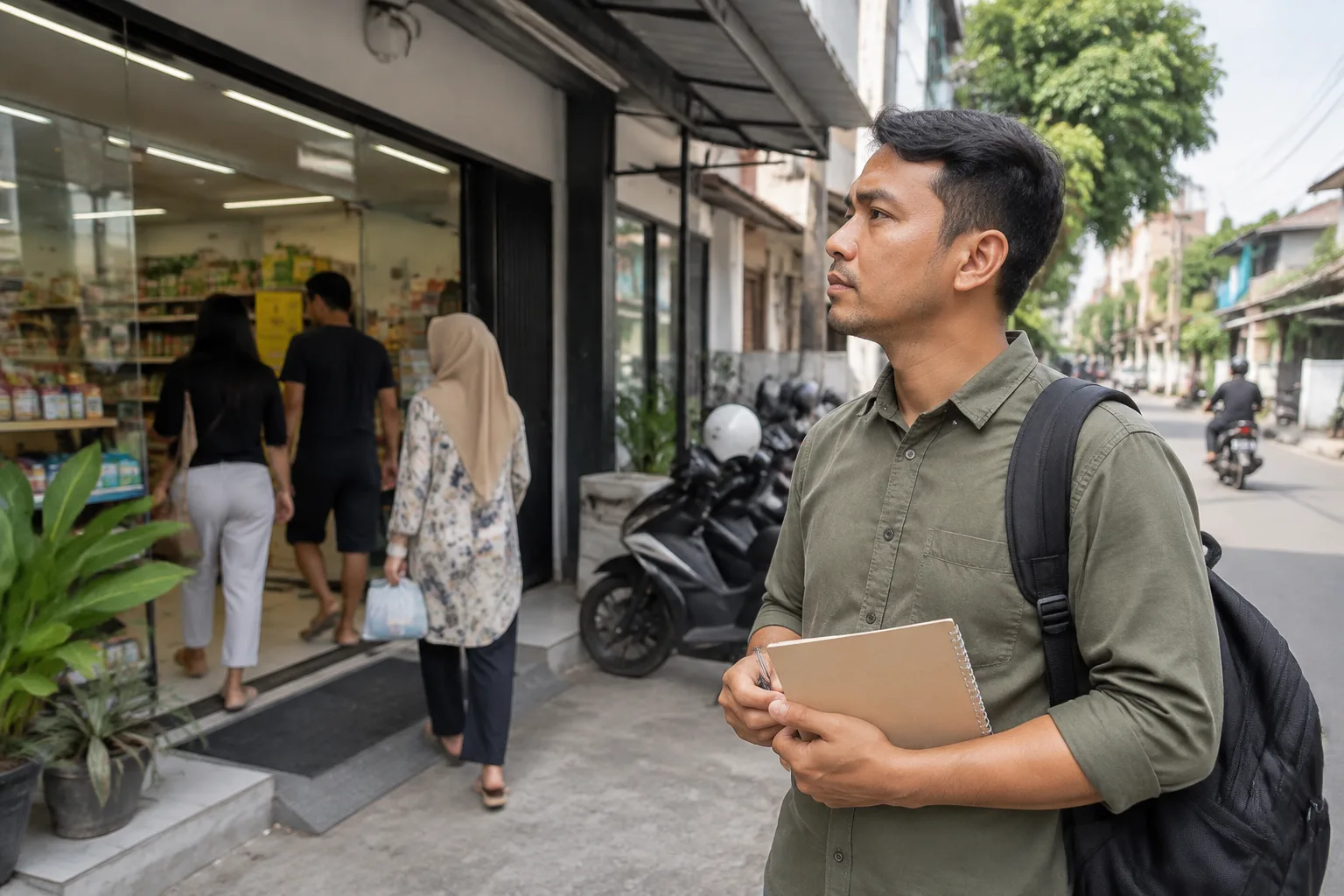
A well-known brand is not automatically suited to every location. A busy street may be dominated by people simply passing through, while an outlet needs customers willing to stop and buy. Before joining a franchise network, test the fit between the location, the target customers and the way the brand serves them. The aim is not to find the busiest spot, but to establish that relevant demand actually exists.
1. Identify the customers the brand really needs
Start with purchasing patterns, rather than broad categories such as “students” or “families”. Ask the franchisor to explain who its core customers are, what needs it meets, when they buy and whether purchases are usually spontaneous or planned.
For example, a business selling convenient meals to office workers has different location requirements from a family restaurant. Both may offer similar products, but they differ in visiting times, parking needs, length of stay and tolerance for waiting.
Draw up a customer profile sheet around four questions:
- Who is likely to pay, rather than simply use the product?
- On what occasions do they need the product?
- What is the typical spending range for prospective customers in the area?
- Why would they choose this outlet over the options already available?
Treat the franchisor’s answers as hypotheses to test. Compare them with observations around the site and brief conversations with prospective customers. Ask about their current shopping habits, not just whether they like the brand. Saying they are “interested in trying it” does not establish demand for repeat purchases.
2. Observe customer flows, not just how busy the area is
Visit at several times that match the brand’s expected trading patterns. Include weekdays and weekends if both are relevant. Record the date, weather, special events and local conditions so that a temporary surge in activity is not mistaken for a normal pattern.
Distinguish between people passing the site, those who can access it easily and those who match the customer profile. Heavy traffic is of little help if drivers struggle to stop or have to make a long detour to reach the entrance.
Use a simple checklist:
- Visibility: can prospective customers see the outlet before passing the entrance?
- Access: are there barriers for pedestrians, vehicles or customers with limited mobility?
- Comfort: is there somewhere to wait, shelter from the rain and enough space to queue?
- Activity patterns: are customers nearby during the proposed opening hours?
- Delivery: if sales depend on delivery orders, can drivers collect them easily without disrupting other customers?
Do not count every passer-by as a potential sale. Keep raw counts separate from purchase estimates. If you assume a conversion rate, label it clearly as an assumption, not an observed result.
3. Check competition and the location’s dependencies
Map the options customers already use to meet similar needs. Competitors do not always sell identical products. A drinks outlet, for example, may compete with a convenience store or canteen because customers simply want a quick drink within a particular budget.
Observe displayed prices, queues, speed of service, busy periods and why customers choose those businesses. Do not assume that a busy competitor proves the location will work for your brand. Its popularity may stem from customer habits, personal relationships or offers that your chosen franchise system cannot replicate.
Next, identify any overly dominant source of demand. Does the location depend on a single office building, campus, gym or transport hub? Check what happens when that source closes, takes a holiday break or changes its access arrangements.
Set out three scenarios: normal activity, reduced activity and disruption to the main source of visits. Assess whether there are still other viable customer groups to draw on. This is not about predicting sales with certainty, but about spotting locations that look attractive yet are vulnerable.
4. Ask for the basis of site approval in writing
Once you have gathered your findings, ask the franchisor to assess the site against clear criteria. Ask who conducts the survey, what data they use and whether approval covers only the outlet’s size and appearance or also its suitability for the target customers.
Indonesia specifically regulates franchising through Government Regulation No. 35 of 2024 on Franchising, which replaced Government Regulation No. 42 of 2007. This framework covers franchise criteria, offering prospectuses, agreements and registration. However, compliance with franchise regulations is not evidence that every location will generate adequate sales.
Distinguish, therefore, between legal obligations and the site assessment services the brand offers. Do not treat site approval as a revenue guarantee. If surveys, recommendations or reassessments are promised, ask for their scope and the parties’ responsibilities to be recorded in the contractual documents. Request a written explanation if the franchisor’s recommendation conflicts with your findings on the ground.
Practical step: before agreeing to a location, prepare a single file containing the customer profile, visit records, competitor map, dependency risks and the franchisor’s written assessment. Postpone the decision if the reasons for choosing the address still amount to “it’s busy” or “the brand is already well known”.
Sources
- Bisnis Franchise di Indonesia dari Masuk hingga Aturan Baru
- Waralaba: Syarat dan Hukum di Indonesia | PDF
- Contoh Perjanjian Waralaba yang Aman & Anti Penipuan!
- Microsoft Word - 6 EDDY SURYANTO
- Jurnal Lex Suprema
- Pahami Ketentuan Pendaftaran Franchise
- WARALABA (FRANCHISE) DI INDONESIA
- WARALABA (FRANCHISE) DI INDONESIA