Buying a Franchise: Check Your Obligations to Purchase Supplies
Mandatory suppliers can affect profits and day-to-day operations. Check prices, minimum orders and your rights if supplies are disrupted before buying.
Published
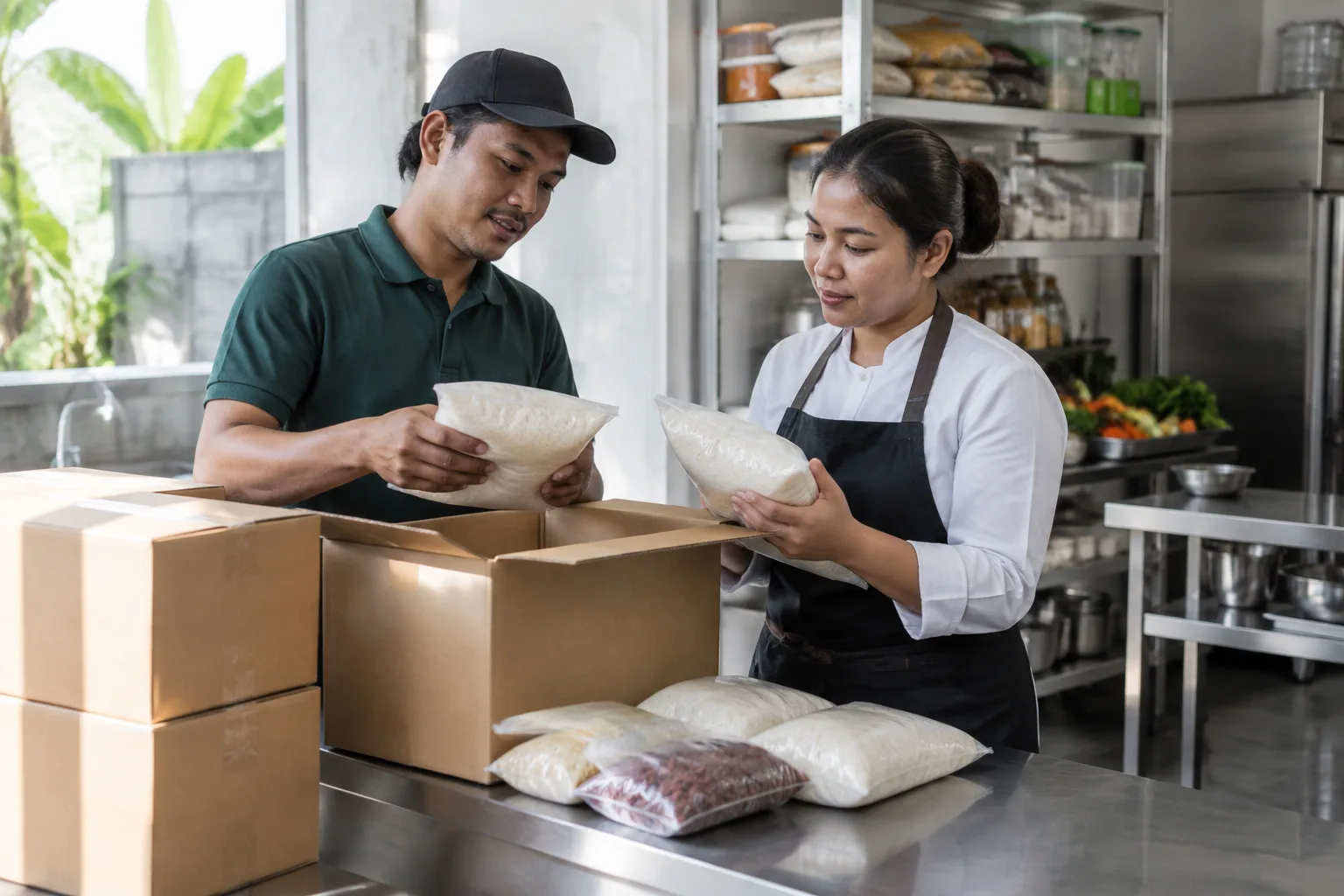
A popular brand does not necessarily make for a healthy business if supplies are expensive, difficult to deliver or quick to expire. Before joining a franchise network in Indonesia, check your obligations to buy ingredients and other goods from the franchisor or its nominated suppliers. This is about more than comparing prices: the aim is to ensure you can maintain quality, manage stock and keep serving customers when supply problems arise.
1. Map out mandatory purchases and their suppliers
Ask for a written list distinguishing items you must buy from specified suppliers, those you can source independently and those requiring prior approval. Include core ingredients, seasonings, packaging, cleaning supplies and promotional materials. Do not assume purchasing obligations apply only to branded products.
For each item, note the seller, dispatch location, pack size, shelf life and available substitutes. Make sure you can identify the parties issuing invoices and receiving payments. If the supplier is affiliated with the franchisor, ask how pricing and purchasing complaints are handled.
Establish why each restriction exists. A secret seasoning blend may need to come from a single source to ensure consistency. For generic items, however, ask whether local suppliers can be used if they meet quality specifications. Do not assume mandatory suppliers are necessarily a disadvantage; weigh the benefits of standardisation against the costs and risks of dependence.
Ask for answers to the following questions:
- Can the supplier list be changed unilaterally?
- Can franchisees propose alternative suppliers?
- Who tests alternative products, and who pays for the testing?
- How long does approval take, and are decisions provided in writing?
Keep the list as a reference when reviewing the contract, rather than relying solely on notes from conversations with sales staff.
2. Calculate the cost of getting supplies ready for use
Catalogue prices may not reflect the actual cost to your outlet. Add delivery charges, special handling, storage, applicable taxes and an allowance for damaged goods or wastage. For chilled or frozen ingredients, check whether the outlet has adequate storage facilities and who is responsible for maintaining the correct temperature during delivery.
Use a simple calculation: ingredient cost per portion = total cost of ingredients used divided by the number of saleable portions. Base the portion yield on production trials, not just the claimed number of servings per pack. Differences in portion sizes, preparation yields and wastage can change your margins.
Ask for recent sample invoices that can be shared, along with a history of price changes. Compare these with the selling prices permitted by the brand. If ingredient prices rise but menu prices cannot be adjusted, ask about arrangements for reviewing prices or changing what is included in promotional offers.
Also check minimum orders for each item and each delivery. Larger orders may reduce delivery costs per unit, but they tie up cash in stock. Model both normal and low sales: can all the ingredients be used before they expire?
Do not accept an obligation to hold large stocks simply because other outlets are said to use them up. Your location may have different sales volumes, delivery schedules and storage capacity.
3. Test scenarios involving delays and problem goods
Ask several existing franchisees about delivery reliability, the condition of goods and how complaints are resolved. Where possible, choose outlets with delivery distances and demand patterns similar to those of your proposed location. The experience of an outlet near the central warehouse may not reflect the realities of inter-island deliveries in Indonesia.
Ask them to describe specific incidents, rather than simply whether they consider the supplier good. How long did replacement goods take to arrive? Did the outlet have to stop selling affected products? Was payment still due while a claim remained unresolved?
Then work through three scenarios with the franchisor:
- Late deliveries: are emergency purchases allowed, from whom, and with whose approval?
- Damaged goods or insufficient remaining shelf life: what evidence is required, when must a claim be submitted, and who pays for return delivery?
- Goods recalled over safety concerns: who issues instructions to stop sales, traces affected stock and bears the losses under the agreement?
Make sure there is a designated contact, a response deadline and an escalation procedure for unresolved complaints. A right to complain is of limited use without a process that works when the outlet is busy.
4. Ensure supply commitments are included in binding documents
Indonesia specifically regulates franchising through Government Regulation No. 35 of 2024 on Franchising, which replaced Government Regulation No. 42 of 2007. It covers, among other things, franchise offering prospectuses, franchise agreements and the Franchise Registration Certificate, known locally as the STPW. Franchisors must provide prospective franchisees with a prospectus at least 14 calendar days before the agreement is signed.
Use this review period to cross-check purchasing terms in the draft agreement, appendices, operating manuals and supplier terms. Franchise registration does not guarantee that ingredient prices will support healthy margins or that deliveries will always run smoothly.
Ask for written clarity on price changes, minimum orders, acceptance standards for goods, payment, replacements and emergency purchases. Do not assume you automatically have a right to compensation or to use alternative suppliers; ensure the basis and conditions for these rights are set out in documents binding on the relevant parties.
If the documents conflict, request corrections and clarification of which document takes precedence. Consider having a legal adviser review them before signing.
Practical step: do not commit to buying until you have a supplier map, a calculation of ingredient costs per portion and written procedures for supply failures. Together, these help you assess whether the purchasing rules support a healthy business.
Sources
- Panduan Beli Waralaba, Tata Cara Hingga Akad Fikih Biar ...
- Definisi Waralaba - JDIH Kemenkeu - Kementerian Keuangan
- [PDF] Peran Notaris Dalam Perjanjian Waralaba... (Rifki Ardhianto) - Neliti
- pelaksanaan perjanjian serta perlindungan hukum praktek
- Contoh Perjanjian Waralaba yang Aman & Anti Penipuan! - OCBC
- 26 BAB III GAMBARAN UMUM TENTANG WARALABA A. ...
- ULASAN MENGENAI DASAR HUKUM USAHA WARALABA ...
- Pengaturan Hukum Waralaba di Indonesia: Hak dan ...