Buying a Franchise: Test Your Ability to Repay a Business Loan
Do not rely on turnover when taking out a franchise loan. Test your cash flow, repayment schedule and collateral risks before borrowing.
Published
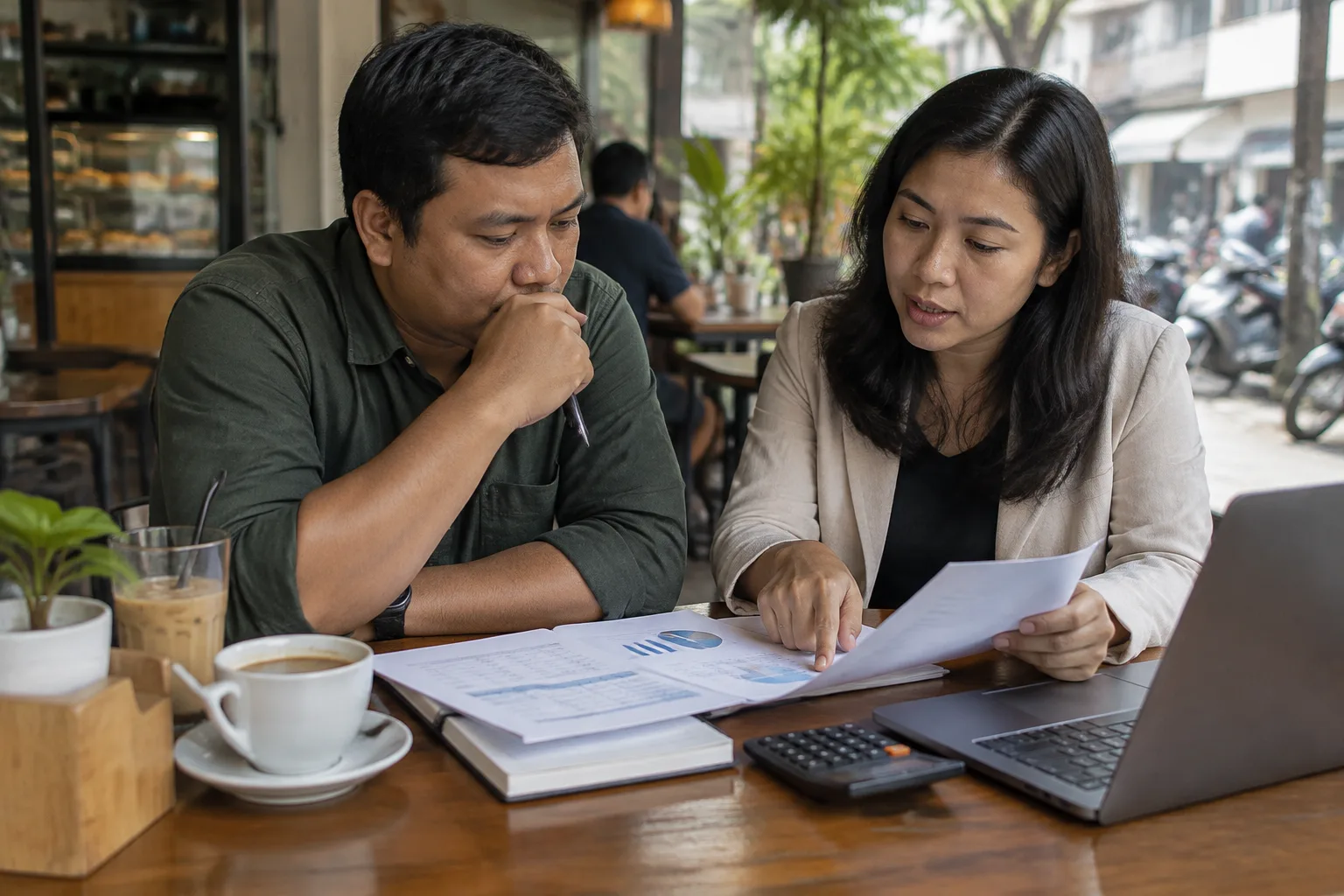
A loan can help you become a franchisee without using up all your savings. However, credit approval is not proof that an outlet can afford its repayments. Before buying a franchise in Indonesia, carry out one specific check: will the business still have enough cash to service its debt if opening is delayed, sales weaken or customer payments have yet to arrive?
1. Separate franchise viability from loan affordability
There are two separate decisions: whether the brand is worth choosing, and whether borrowing to buy the franchise is financially viable. A brand with sound systems may still be a poor fit for the loan amount, interest rate and repayment schedule you are offered.
Indonesia’s franchise legal framework is Government Regulation No. 35 of 2024 on Franchising, which replaced Government Regulation No. 42 of 2007. It covers matters including franchise criteria, the franchise offering prospectus, franchise agreements and the Franchise Registration Certificate, known as the STPW. You should check compliance with these rules, but compliance does not guarantee profitability or the ability to repay a loan.
The franchise agreement and the loan agreement also create different obligations. Do not assume that loan obligations automatically end if the outlet cannot operate or a dispute arises with the franchisor. Review the terms of each document with a legal adviser if necessary.
Before applying for a loan, set a limit on how much of your own money you are willing to risk. Keep your household emergency fund separate from your business reserves. A bank’s approval of a large credit limit does not mean you should borrow the full amount.
2. Calculate the cash actually available for repayments
Use monthly cash flow forecasts, not just profit or turnover estimates. Profit may be recorded before the money has been received, while loan repayments still fall due. Start your forecast from the first payments for setting up the outlet, not just from opening day.
Ask the franchisor for the basis of its sales assumptions, then compare these with the experience of franchisees operating similar outlet formats in comparable locations. Ask specifically about when cash is received, quiet trading periods, stock requirements and expenses that are often missing from sales presentations.
Build your calculation in the following order:
- Cash receipts: sales revenue actually received in the outlet’s bank account or till during that month.
- Operating outgoings: payments to suppliers, wages, rent, utilities, royalties, marketing, taxes and other regular obligations.
- Additional requirements: stock replenishment, equipment repairs and foreseeable non-routine expenditure.
- Debt payments: principal, interest or financing margin, and recurring charges under the financing offer.
Do not count the same expense twice. If stock purchases are already included in supplier payments, include only additional requirements in the next section.
Cash remaining after debt payments must still be sufficient to keep the business running. Include owner’s drawings too if you depend on the outlet to cover your living costs. A business that appears able to afford repayments only because the owner takes no income may not meet your family’s needs.
3. Test difficult months, not just annual averages
Annual averages can hide cash shortfalls in individual months. An outlet may generate positive cash flow over the year yet still miss a loan repayment when annual rent and stock purchases fall due at the same time.
Prepare three scenarios: a base case, a downturn and a severe downturn. Use reasonable changes to your assumptions based on local conditions and the experience of comparable outlets, rather than arbitrarily chosen percentage declines.
In each scenario, test the following situations:
- Opening is delayed while rent and loan repayments have already started.
- Sales grow more slowly than planned.
- Input costs rise before selling prices can be adjusted.
- Payments collected through intermediaries take longer to reach you.
- Essential equipment needs repairs when cash is running low.
Identify the first month in which the cash balance turns negative and the size of the cumulative shortfall. Use this as the basis for estimating the reserves you need, reducing the loan amount or postponing the purchase.
If you use a debt service coverage ratio, compare the cash available for debt payments with all debt obligations falling due in the same period. Ask prospective lenders which definition and threshold they use; do not assume that one qualifying ratio applies to every financing arrangement.
4. Match the loan structure to your personal risk exposure
Compare written offers by total payments and their timing, not just the initial instalment. Check whether the interest rate is fixed or variable, when principal repayments begin and whether a large payment is due at the end of the loan term. Read any grace-period terms carefully too: does the grace period defer only principal repayments, and how is interest treated during that time?
Check the requirements for assets pledged as collateral and personal guarantees. Understand who bears the obligations if the borrower is a company or other legal entity, especially if you or your spouse are asked to act as guarantor. Do not pledge family assets without understanding the consequences of default.
Also compare the loan term with the duration of the franchise agreement and the security of the premises lease. Avoid plans that work only if a contract renewal or a new loan is guaranteed to be available. Ask for written explanations of penalties, early repayment terms and restructuring requirements; approval for restructuring is not automatic.
Practical next step: proceed with financing only once your monthly forecasts show a clear source of cash for repayments, reserves are available for adverse scenarios and you are comfortable with the risks to pledged assets and under any guarantees.
Sources
- Panduan Beli Waralaba, Tata Cara Hingga Akad Fikih Biar ...
- Perjanjian Franchise (Waralaba) dan Distribusi Barang Legal
- Definisi Waralaba - JDIH Kemenkeu - Kementerian Keuangan
- [PDF] Peran Notaris Dalam Perjanjian Waralaba... (Rifki Ardhianto) - Neliti
- pelaksanaan perjanjian serta perlindungan hukum praktek
- Contoh Perjanjian Waralaba yang Aman & Anti Penipuan! - OCBC
- 26 BAB III GAMBARAN UMUM TENTANG WARALABA A. ...
- Pengaturan Hukum Waralaba di Indonesia: Hak dan ...