Gyu-Kaku J’s City One Sha Tin branch to close in November as LH Group cautiously develops new brands
Gyu-Kaku J’s City One Sha Tin branch will close on 1 November, leaving two outlets in Kai Tak and Tung Chung. LH Group chairman Simon Wong says the group will close struggling branches while cautiously opening new outlets and developing new brands.
Published
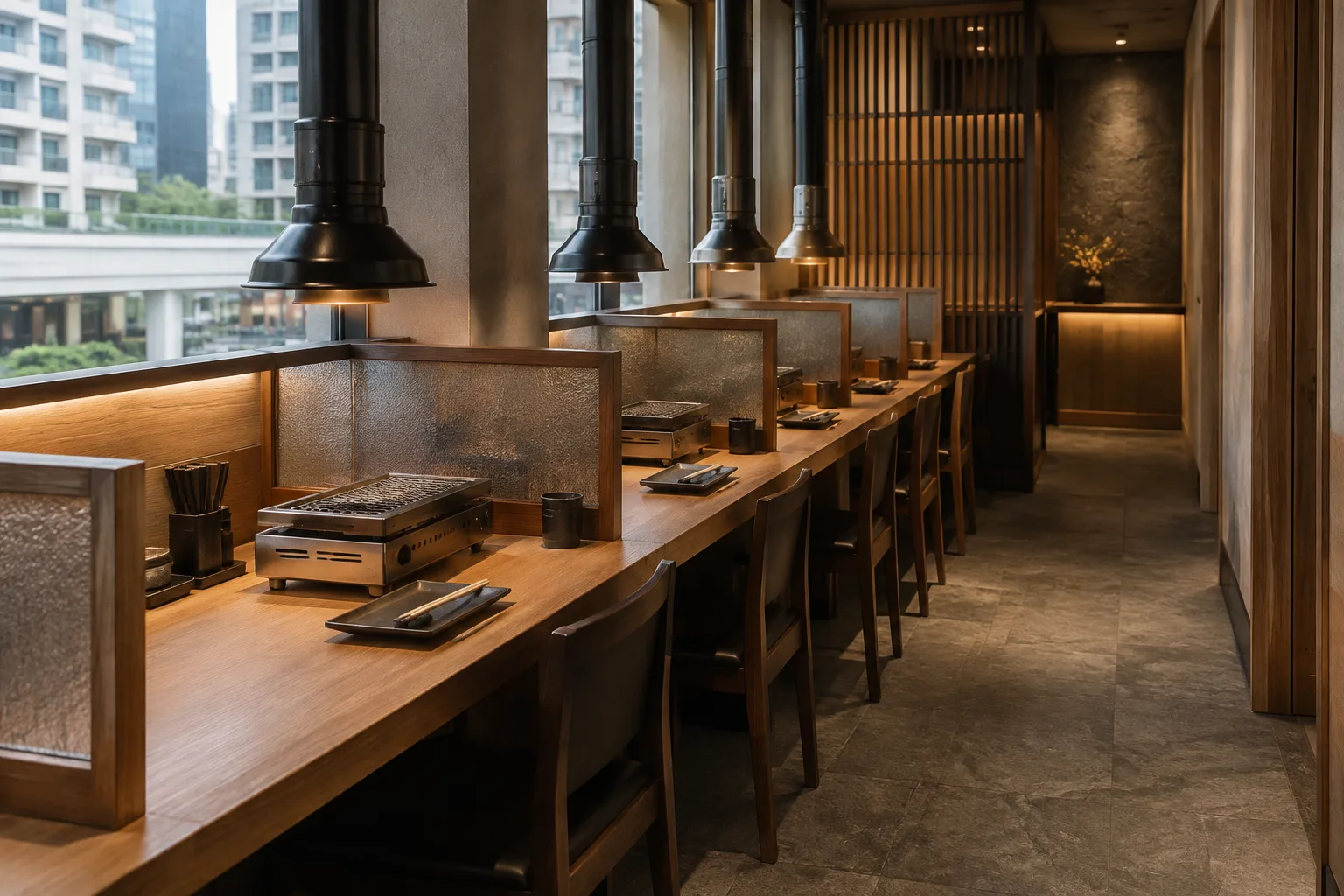
Gyu-Kaku J, a spin-off of Japanese barbecue chain Gyu-Kaku, will close its City One Sha Tin branch at 10pm on 1 November 2026. According to a report published by HK01 on 20 October, LH Group chairman Simon Wong said converting the branch from Gyu-Kaku into a solo-dining barbecue restaurant had enabled it to keep trading until its lease expired. The group would continue to open outlets and develop new brands cautiously, rather than halt expansion altogether.
Sha Tin closure leaves the brand with two outlets
Gyu-Kaku J launched in late 2024, opening its first branch in the retail complex at Kai Tak Sports Park with a focus on Japanese barbecue for solo diners. At the time of the report, the brand had three branches: Kai Tak, Tung Chung and Sha Tin.
The brand announced the final trading arrangements for its City One Sha Tin branch on social media on 16 October. Once it closes, Gyu-Kaku J will retain its Kai Tak and Tung Chung outlets. Wong said both were trading well and that the brand would continue to develop. The Sha Tin closure should therefore be considered separately from the brand’s overall direction, rather than taken as a sign of a complete withdrawal from the market.
A format change designed to see out the lease
Wong explained that the City One Sha Tin premises had originally operated under the main Gyu-Kaku brand. Hong Kong’s economy was in reasonable shape when the lease was signed, but a subsequent weakening in consumer spending power created significant challenges for the branch. This was his account of the outlet’s trading circumstances, not a statement based on market-wide consumer spending data.
Management then tried introducing meals for solo diners, replacing the restaurant’s standard round barbecue grills with smaller rectangular grills for individual use. The outlet was also renamed Gyu-Kaku J. According to Wong, the change helped the branch keep operating until the lease expired, allowing it to exit at that point.
For those assessing Hong Kong’s franchise market, the lesson is not simply about closure, but also about how a format change aligns with a lease’s remaining term. Changes to products, equipment and store format do not necessarily signal a long-term expansion strategy; they may instead be operational adjustments intended to sustain an existing outlet for the rest of its lease.
Online comparisons do not establish the cause of closure
The report noted that some social media users had compared Gyu-Kaku J with Yakiniku Like, operated under franchise by Maxim’s Group, arguing that Gyu-Kaku J lacked an advantage in location and pricing. Wong subsequently responded on social media, explaining the Sha Tin branch’s conversion from Gyu-Kaku and the decision to trade until the lease expired.
Online opinions about a brand’s competitiveness and management’s explanation of an individual branch’s trading difficulties are different types of information. These comments alone do not establish that a particular competitor caused the closure, nor do they show that the solo-dining barbecue format no longer has room to grow in Hong Kong.
Closing struggling branches while preparing new brands
Wong said the group had stepped up the renewal of its outlet portfolio over the past year. It would not hesitate to close branches facing operating difficulties, while continuing to pursue new outlets and brands cautiously.
As examples, he said that alongside the closures of Gyu-Kaku at City One Sha Tin and Hao Xia at Langham Place in Mong Kok, new brands Yamamoto Hamburg and Yamaya would open at The ANGLE shopping centre in Kwun Tong and in Causeway Bay respectively. These plans show the group adjusting its existing network while preparing new brands, but should not be interpreted as an announcement that it is recruiting franchisees.
Practical takeaway: when assessing an outlet conversion, prospective franchisees and operators should review the remaining lease term, equipment changes and exit arrangements together. When following news of new brands, first verify the operating and licensing model before deciding whether a franchise opportunity exists.