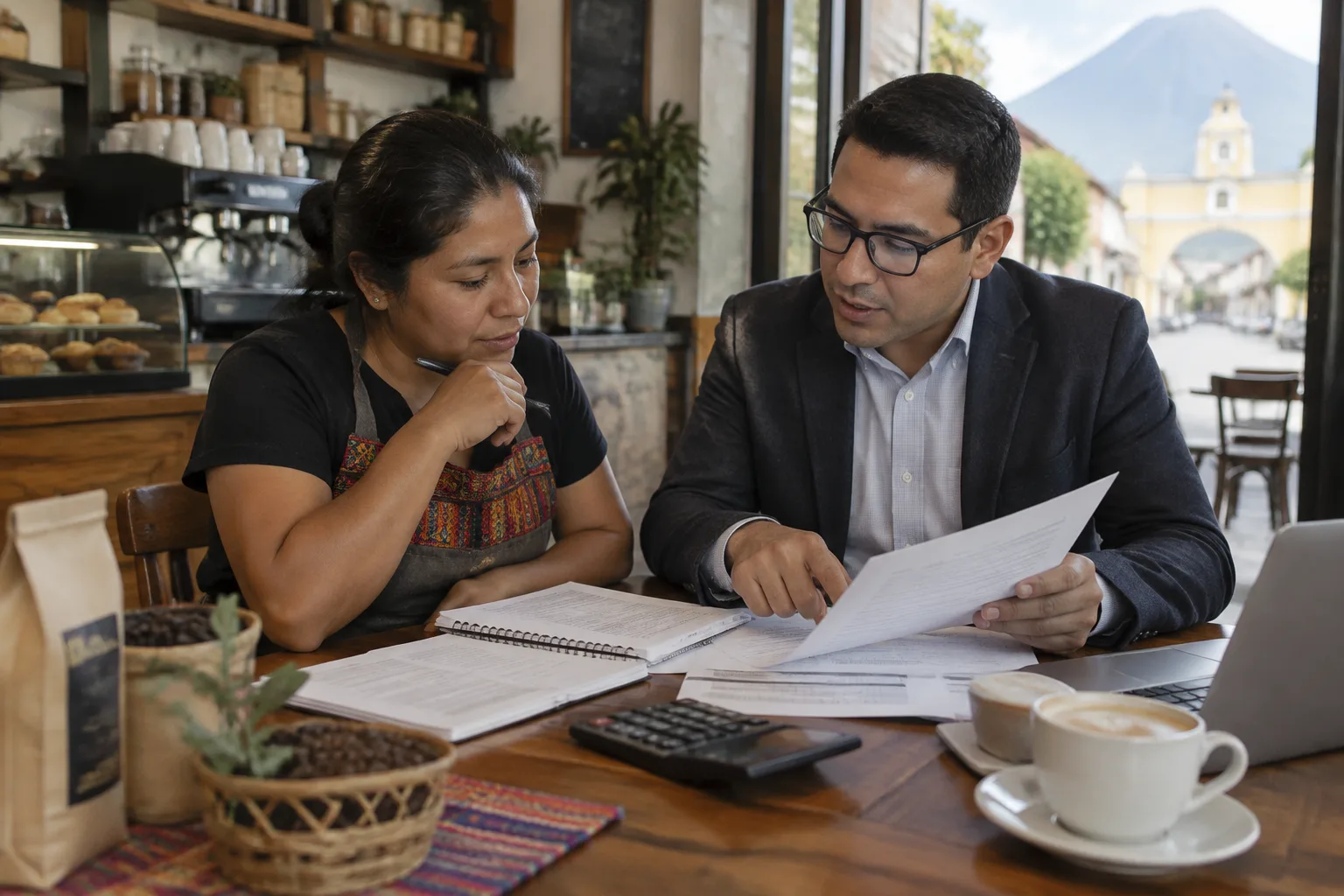
Franchise Territory and Exclusivity in Guatemala
Define territories, delivery rights and exclusivity before franchising in Guatemala. Avoid territorial promises that could limit your growth.
Published
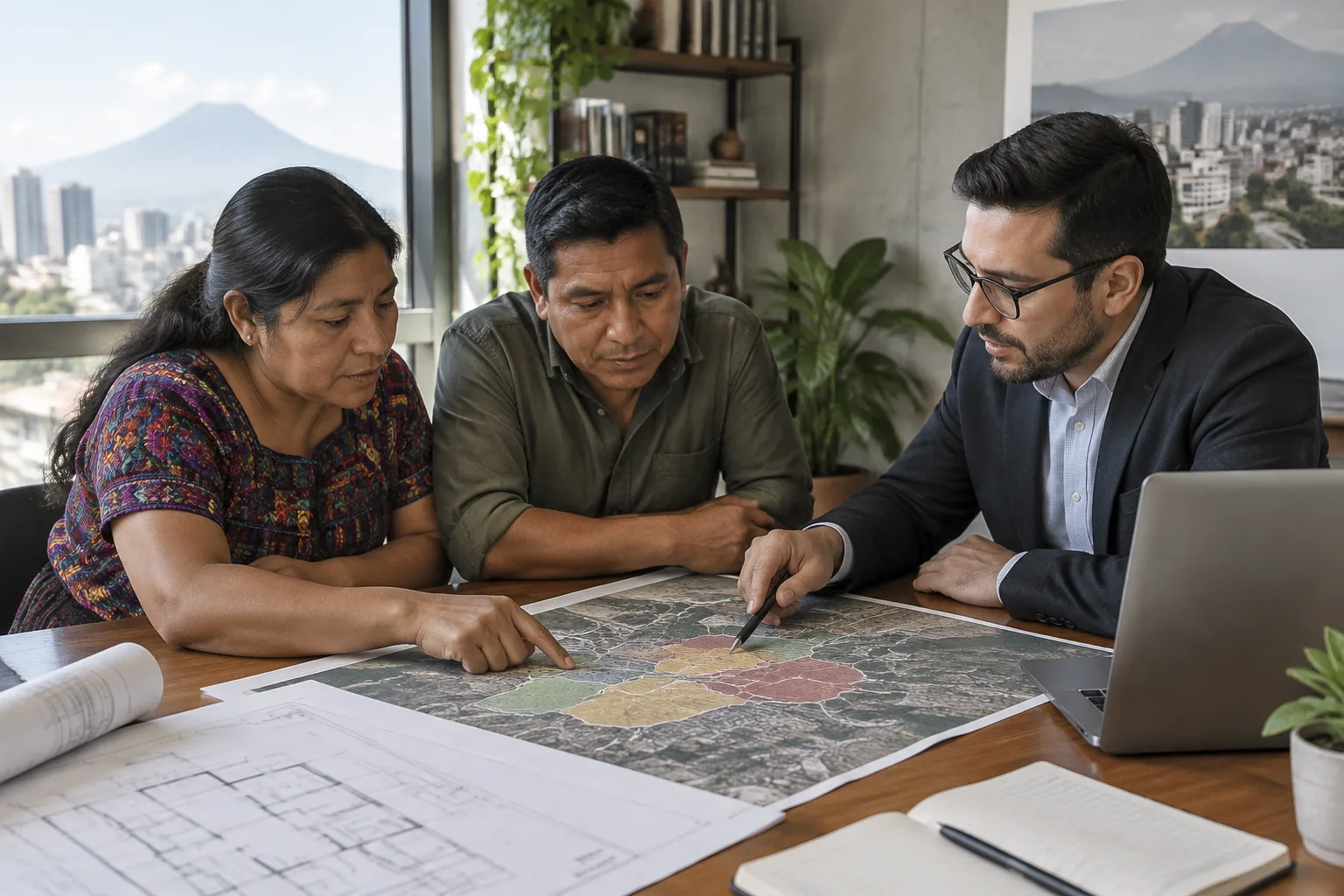
When franchising an existing business in Guatemala, promising an ‘exclusive territory’ may seem like a straightforward way to attract investors. Yet that phrase leaves crucial questions unanswered: can you open another company-owned outlet? Who handles online orders? What happens to your existing customers? Defining the territory before offering your first franchise helps protect the investment and build a franchise network with clear expectations.
1. Distinguish between location, territory and exclusivity
These concepts are not interchangeable. The authorised location is the premises from which the outlet will operate. The territory defines the geographical area to which certain rights and obligations apply. Exclusivity specifies which activities the franchisor undertakes not to carry out within that area, either directly or through other operators.
You can authorise an outlet without granting exclusivity. You can also protect an area against new outlets operating under the same brand while reserving certain sales channels. What matters is describing the arrangement unambiguously and not presenting limited protection as absolute exclusivity.
Before negotiating, prepare a fact sheet answering these questions:
- Does the protection prevent both company-owned outlets and outlets run by other franchisees from opening?
- Does it cover all formats or only the format covered by the agreement?
- Does it extend to home delivery, events and services for business customers?
- Does it last for the full term of the agreement, or is it subject to expressly agreed conditions?
Avoid granting an entire municipality simply because its boundaries are easy to identify. First, review where you make sales, where your customers come from and whether a single outlet can realistically serve that area. Defining a territory is no substitute for assessing an outlet’s commercial viability.
2. Make the territory a clearly defined schedule to the agreement
An expression such as ‘the area near the shopping centre’ can be interpreted in different ways. The agreement should include a map and a written description that make the boundaries identifiable without relying on verbal explanations.
Use verifiable reference points: streets, avenues, municipal boundaries or coordinates, as appropriate. If you use a radius, identify its centre point and clarify whether distances are measured in a straight line or along travel routes. Specify which document takes precedence if the map and written description differ.
The schedule should also identify any outlets already operating under the brand within or near the area. If you intend to retain a company-owned shop, a business account or a temporary outlet, detail that exception before signing.
Practical test: give the schedule to someone who was not involved in the negotiations. Ask them to determine whether three specific addresses fall inside or outside the territory. If they need to ask you, the document still needs to be more precise.
Keep a dated version accepted by both parties. An internal sales map that you update should not, by itself, alter the territorial rights agreed in the contract.
3. Resolve overlaps between sales channels
Physical proximity alone does not determine who gets a sale. A customer may buy in one shop, request delivery to another area or book a service through a business account managed by head office.
Set rules for specific situations rather than relying solely on a general prohibition on ‘selling outside the territory’:
- Online orders: define whether orders are allocated according to delivery address, availability or customer choice.
- Home deliveries: distinguish the operational delivery area from the territory protected against new outlet openings.
- Business customers: identify reserved accounts and explain how the outlet providing the service is paid.
- In-store customers: clarify how purchases by people living outside the territory are treated.
For example, if head office takes payment for an order and the franchisee prepares it, the allocation of revenue, delivery costs and responsibility for returns must be clear. Simply stating that the sale ‘belongs’ to a territory is not enough.
Also check that your systems can apply these rules. Do not promise automatic allocation by address if you will still have to handle each order manually.
4. Formalise the protection under Guatemalan law
Guatemala has no franchise-specific legislation. A franchise agreement is treated as an atypical commercial contract and falls within the framework of the Commercial Code, Decree 2-70, with the Civil Code, Decree-Law 106, applying on a supplementary basis. The Industrial Property Law, Decree 57-2000, governs matters such as trade mark protection and licensing; registering a trade mark does not automatically grant a franchisee territorial exclusivity.
Nor is there a mandatory franchise-specific pre-contractual disclosure regime equivalent to those in countries with dedicated franchise legislation. This does not remove the need to negotiate in good faith and clearly explain the scope of what is being offered.
Ask a Guatemalan lawyer to review the boundaries, exceptions and any conditions for retaining exclusivity. If exclusivity depends on performance, agree on verifiable measures, time frames, notice requirements and proportionate consequences. Do not reserve an ambiguously worded right to reduce the territory unilaterally.
Practical takeaway: before offering your first franchise, prepare a map, a list of sales channels and a list of exceptions. If those three documents do not match your sales promises, revise the offer before signing.
Sources
- Guatemala Franchise Market
- Guatemala - Franchising | export.gov
- Franchising in Guatemala: agree your role and time commitment
- UNIVERSIDAD PANAMERICANA
- La importancia de las franquicias para hacer negocios en ...
- UNIVERSIDAD DE SAN CARLOS DE GUATEMALA FACULTAS DE CIENCI…
- Franquicias Guatemaltecas | PDF
- Generalidad de las Franquicias en Guatemala