Franchising in Guatemala: check the permits you need to open
Before buying a franchise, identify the permits you need and agree who will handle the applications, costs and delays.
Published
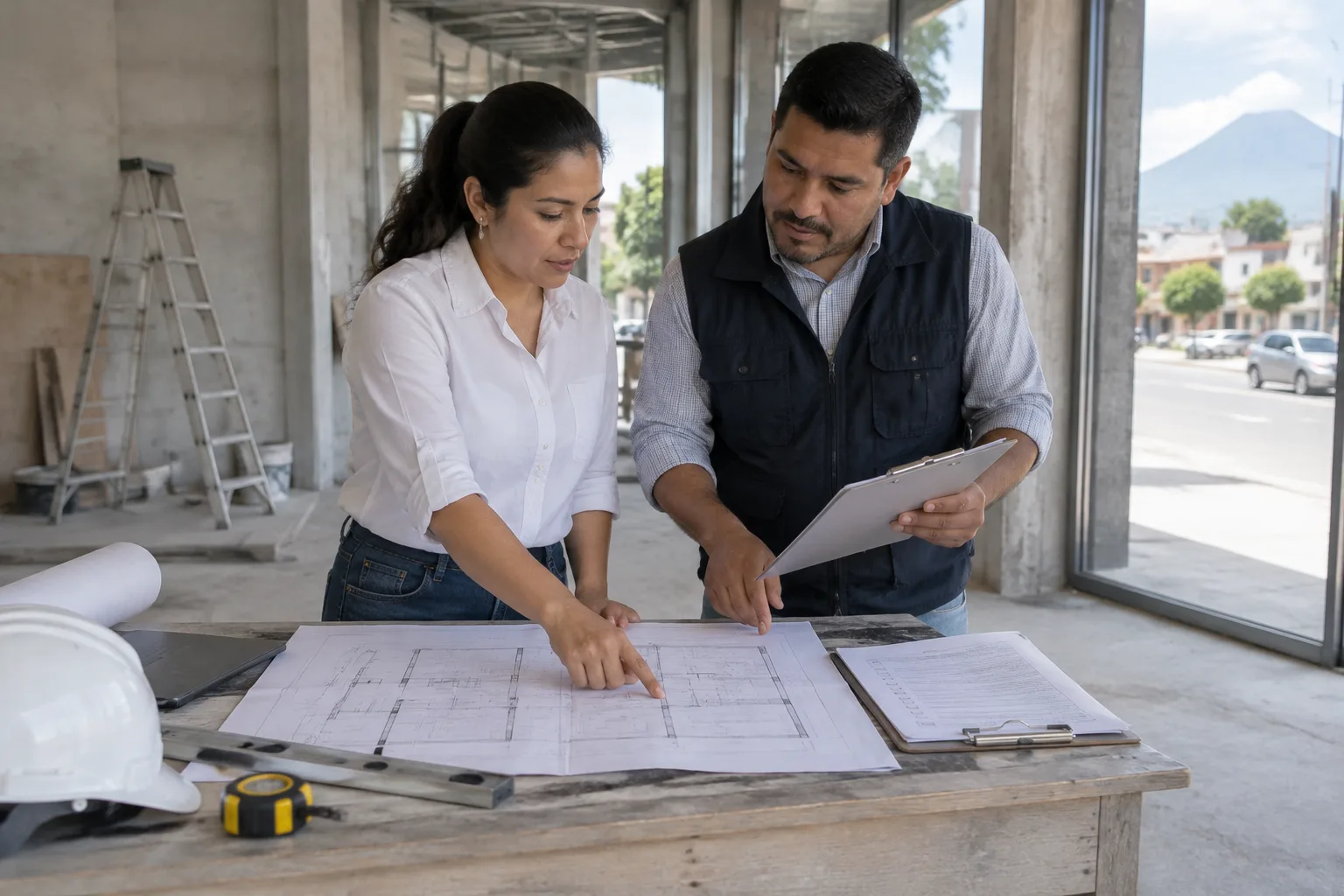
A brand may approve your application and premises design without you being legally entitled to open. Before buying a franchise in Guatemala, check which authorisations your business needs at your chosen location. The franchisor’s experience can help, but it is no substitute for a local review. The aim is to avoid committing your investment without knowing whether the business will be able to operate.
1. Distinguish the contract from official authorisations
Guatemala has no specific law comprehensively regulating franchises, nor a dedicated mandatory pre-contractual disclosure regime for franchise sales. The relationship is governed by the general provisions of the Commercial Code, Decree 2-70, and, where applicable, the Civil Code on a supplementary basis. The Industrial Property Law, Decree 57-2000, regulates matters such as trade marks and their licensing.
These rules do not make a franchise agreement an operating permit. The brand’s permission and permits from the authorities serve different purposes. Nor does commercial registration alone establish that premises meet all the conditions required to open.
Depending on the activity and location, you will need to review municipal, health, environmental and other applicable rules. There is no single checklist that works for every franchise: a restaurant, a shop and a service centre may face different requirements.
Also, do not confuse the procedures that Guatemala’s tax authority, SAT, calls ‘franquicias’, which relate to customs benefits, with the registration or approval of commercial franchises.
2. Build a permit matrix for your business
Ask the franchisor for a precise description of what the outlet will do: products, processes, equipment, storage, dealings with the public and ancillary services. An overly broad sales presentation will not allow you to identify the necessary procedures accurately.
Using that description, commission a review by local professionals and confirm the requirements with the relevant authorities. For example, ask the local municipality about authorisations for the premises, building works and signage. If you will prepare or sell food, also check the health requirements for your specific operation.
Create a matrix with the following fields:
- Procedure and authority: the exact name and the body responsible.
- Applicability: the activity or feature of the project that triggers the requirement.
- Applicant: the individual or company that must apply.
- Prerequisites: documents, plans, inspections or other authorisations.
- Responsibility and cost: who prepares, submits and pays for the application.
- Validity: renewal requirements and conditions for keeping the authorisation valid.
Distinguish official processing times, where these exist, from estimates given by an agent handling the application. Do not treat an estimated date as a guaranteed opening date.
If you are buying an existing outlet, check whether its authorisations remain valid and whether a change of holder requires an update or a new application. Do not assume they transfer automatically with the assets.
3. Agree who will resolve obstacles before investing
The contract should allocate specific tasks, rather than simply state that ‘the franchisee will obtain all permits’. Ask it to specify which technical documents the brand will supply, in what format and by when: equipment specifications, premises layouts or process descriptions, as appropriate.
Also clarify who will pay for any modifications required by an authority. If the standard design needs changing, agree how the franchisor’s approval will be sought and who will co-ordinate the technical solution.
It is advisable to negotiate in writing what happens if an essential authorisation is refused or delayed: whether the project can be amended, the deadlines, how payments already made will be treated and the implications for obligations to open. These arrangements must be agreed; they are not automatic rights arising from a special franchise law.
Seek legal advice on which commitments should be conditional on regulatory feasibility and how to document this. The statement ‘other outlets operate this way’ does not demonstrate that your project can obtain the same authorisations.
4. Require evidence before approving the opening
Compile a file containing applications, receipts, official decisions, licences and any outstanding conditions. Clearly distinguish a submitted application from a granted authorisation: an acknowledgement of receipt does not, by itself, establish that you can start operating.
Before announcing the opening, review with your advisers which requirements must be met and whether any inspections or remedial work remain outstanding. Also appoint someone to monitor renewals and keep the documents available for relevant checks.
Practical conclusion: before buying, put together a permit matrix, evidence of feasibility and a written allocation of responsibilities. If nobody can explain what still needs to be done before opening and who must deal with it, an essential condition of the purchase remains unresolved.