Pizza Fan: VAT investigation and alleged franchisee involvement
Media reports link Pizza Fan executives and franchisees to an investigation into alleged failure to remit VAT, with order management software under scrutiny.
Published
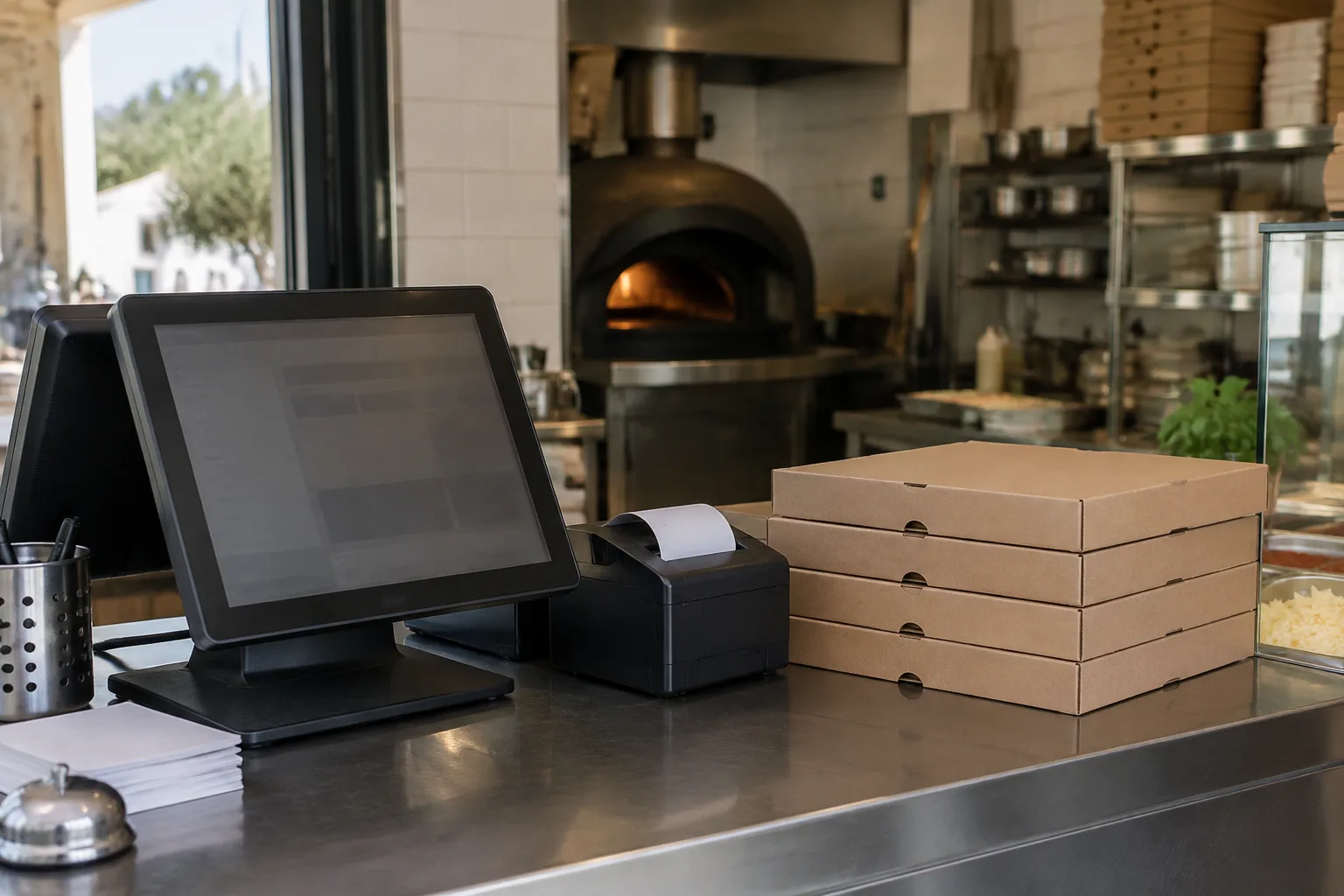
Allegations of concealed orders and failure to remit VAT, involving references to Pizza Fan executives and franchise outlet owners, are the focus of media reports dated 22 October 2026. For those involved in or considering franchising in Greece, the case highlights the importance of transparency in shared order management systems and of verifying procedures at each outlet.
The police operation and reported figures
According to TheTOC, an operation by Greece’s Directorate for Combating Organised Crime had been under way since the early hours of Thursday 22 October in connection with a case linked to Pizza Fan. The report cites alleged losses to the public purse of at least €25 million in unpaid VAT.
Citing its sources, iefimerida reported nine arrests at the time of publication, around 80 people allegedly involved and approximately 20 arrest warrants. It described those arrested as including the chain’s owner, a senior executive, accountants, a programmer and outlet managers. These figures reflect the situation reported by that publication at the time, rather than a final tally of the operation.
According to the same sources, the alleged activity began in 2022. Iefimerida also reports that Pizza Fan has a network of more than 100 outlets. The size of the network should not be confused with the number of outlets or individuals alleged to be involved.
Order management software under scrutiny
Iefimerida’s account of the alleged scheme begins with a central call centre, through which customer orders were passed to the outlet serving the relevant area. The alleged manipulation concerns the software used to manage those orders and its capacity to conceal revenue from tax records.
Specifically, the report alleges that some orders were entered into the computer system as ‘complimentary’, even though the customer had paid. According to that account, payment was collected without the corresponding VAT being remitted. The reference to ‘complimentary’ orders therefore concerns the alleged misuse of a system label, rather than genuinely free items provided to customers.
Iefimerida further reports that the software in question was distributed to franchise outlets and that percentage-based payments were received in connection with its use. These statements describe the mechanism attributed to those allegedly involved; they are not judicial findings on any individual’s liability.
Reported links to franchisees
The case’s connection to franchising extends beyond the presence of franchised outlets in the network. According to information published by iefimerida, the alleged scheme was also presented when recruiting prospective franchise buyers, with references to a 20% return on orders for which no receipt was issued.
This allegation must be read with clear attribution to its source. It is neither a confirmed commercial term nor a substantiated description of every franchise relationship within the chain. Similarly, the report’s reference to receipts being shared between management and outlet owners concerns the alleged mechanism it describes and does not justify generalisations about all franchisees.
The same report includes allegations that fewer working hours were declared than employees actually worked, both at franchise outlets and at the parent company, allegedly resulting in lower social insurance contributions. These claims are separate from the VAT allegations and should likewise be treated as matters under investigation, not proven breaches.
What prospective and existing franchisees should consider
The key distinction is between having a shared order management system and how transactions are recorded within it. Routing an order centrally is not, in itself, evidence of irregularity. In this case, the allegations focus on the purported manipulation of software and concealment of paid orders.
For prospective or existing franchisees, a useful step is to request a clear explanation of the process from order placement to receipt issuance, including who has permission to amend or cancel transactions. Any promise of financial returns should also undergo independent accounting and legal scrutiny: brand recognition is no substitute for due diligence.
Practical takeaway: Before signing or renewing a franchise agreement, request documented procedures covering orders, receipts and working hours. Operational transparency is just as important as the commercial terms.
Sources
- Πώς στήθηκε το «κόλπο» στην Pizza Fan: Οι αποδείξεις-«κέρασμα», οι «αόρατες» παραγγελίες, η επιστροφή 20% και το ωράριο των εργαζομένων - iefimerida.gr
- Olicatessen: Πώς ένα παντοπωλείο στη Θεσσαλονίκη έγινε επιχειρηματικό μοντέλο | Ειδήσεις για την Οικονομία | newmoney
- Pizza Fan: Πώς το κύκλωμα έκλεβε το κράτος - Το κόλπο με τις αποδείξεις, τα 'κεράσματα' και τα αρχηγικά μέλη