Trip Inn operates 139-room Mercure hotel in Offenbach
Trip Inn operates the 139-room Mercure Frankfurt-Offenbach Ost as an Accor franchise partner, retaining responsibility for day-to-day management.
Published
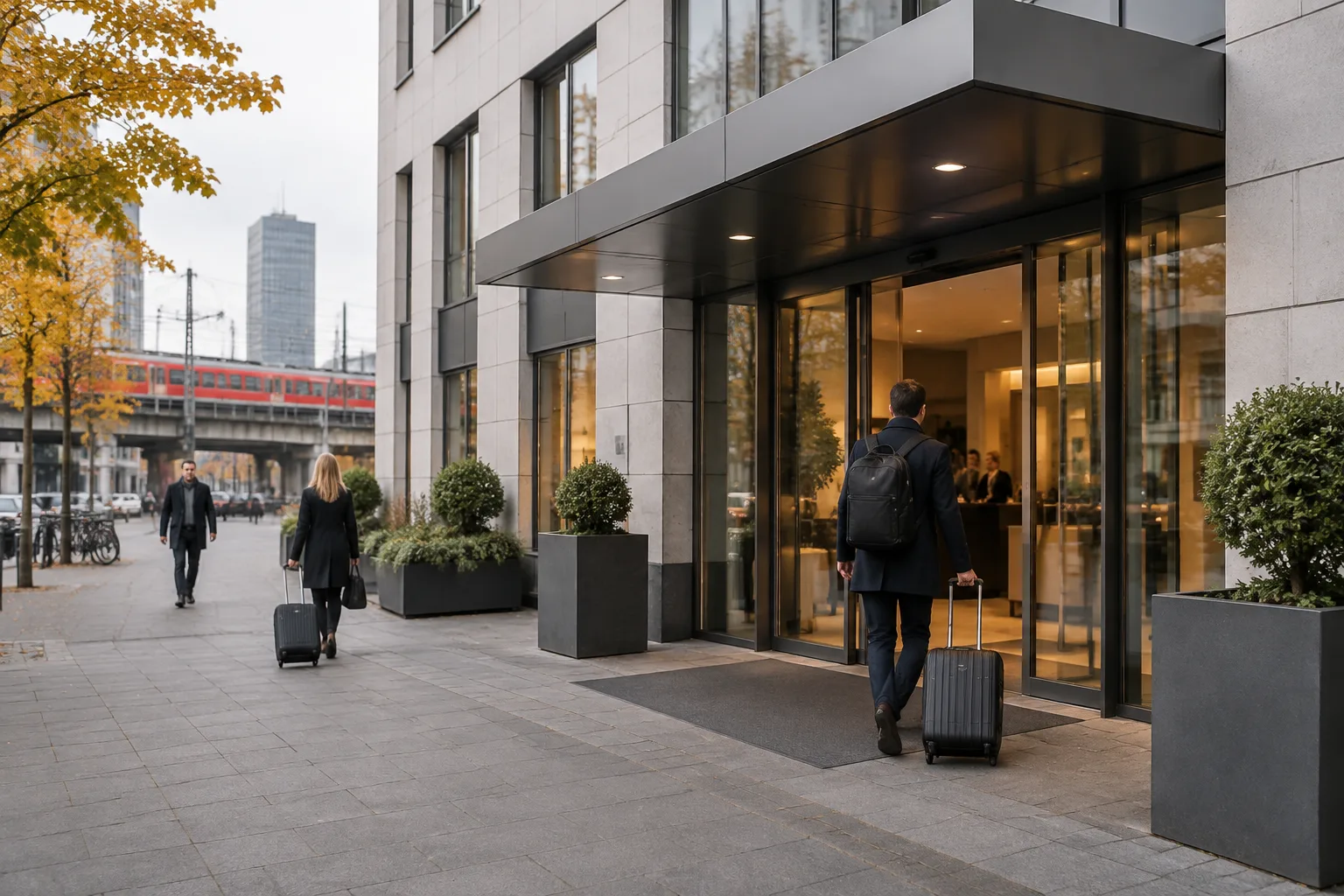
The Trip Inn Group is expanding its presence with a hotel under the Mercure brand: a subsidiary of the Frankfurt-based group operates the 139-room Mercure Frankfurt-Offenbach Ost under a franchise agreement with Accor. L’Express Franchise reported the launch on 10 November 2026. For readers considering the German franchise market, the division of responsibilities is particularly relevant: an existing hotel gains an international brand, while operational management remains with the operator.
139 rooms near Offenbach Ost station
The Mercure Frankfurt-Offenbach Ost is close to Offenbach Ost railway station. Alongside its 139 rooms, the hotel offers flexible meeting facilities for up to 100 people. Its offering therefore covers both overnight accommodation and space for meetings and events.
The report describes an existing hotel joining the Mercure brand, rather than the completion of a newly built hotel. This distinction is essential when interpreting the opening: what is new is the hotel's inclusion in the brand network, not necessarily additional hotel capacity in Offenbach.
The stated room numbers and meeting capacity give an initial indication of the scale of the operation. They do not, however, establish occupancy levels, room rates or financial performance. These operating metrics would need to be examined separately to assess the individual hotel. The opening announcement primarily confirms the rebranding and the agreed operating model.
Trip Inn runs the hotel, Accor provides the brand
The hotel is affiliated with Accor through a franchise agreement. A subsidiary of the Trip Inn Group acts as the operator. The Frankfurt-based group aims to use this move to expand its presence in the German hotel market.
The arrangement illustrates a specific form of hotel franchising: an operator runs a property under a brand owned by another company. In Offenbach, operational management remains with the Trip Inn subsidiary. Using the Mercure brand therefore does not mean that Accor itself takes over the running of the hotel.
For those interested in franchising, this separation of roles is the key point. The brand and the operating company are not the same entity. Anyone assessing the project should therefore look beyond the name on the building to establish which company runs the hotel and which agreements govern the partnership.
The operator's role as described also tells us nothing about ownership of the property. Hotel operations, brand affiliation and property ownership should be considered separately when assessing a comparable project. The Offenbach announcement specifically concerns the operation of a hotel under a franchise agreement.
An existing hotel joins the Mercure network
According to company figures, Mercure has more than 1,000 hotels in over 60 countries worldwide. The Offenbach hotel adds another location in Germany's Rhine-Main region. The brand's international scale provides context for the partnership, but is not evidence of the individual hotel's commercial success.
The Offenbach move is consistent with Accor's reported approach of expanding its German network through existing hotels. The focus here, however, is on an operating group's decision to affiliate a specific hotel with Mercure through a franchise agreement.
In principle, this model allows hotel operators to combine brand affiliation with running the business themselves. Trip Inn's move shows how this can work at an existing property. It does not follow that every existing hotel is suitable for a similar conversion, or that the terms can readily be applied to other locations.
Questions to consider before making a similar move
The reporting did not disclose the fees or contract term of the Offenbach agreement. Nor did it establish a specific investment figure for the rebranding. The partnership can therefore be viewed as a confirmed franchise deal, rather than an entry opportunity whose costs can be calculated from publicly available information.
Anyone considering a similar brand affiliation should examine recurring payments, any alterations required at the hotel and the contractual division of responsibilities. It is equally important to establish which decisions remain with the operator and what requirements come with the brand. These are due diligence points for a prospective project, not published details of the Offenbach hotel's contract.
Practical takeaway: In Offenbach, Trip Inn combines an existing hotel operation with the Mercure brand while retaining operational management. For interested operators, it provides a concrete example of hotel franchising. Before making their own decision, however, they should assess the financial projections for the location, any required alterations and the franchise agreement together.