Traditional Grocers Account for 75% of Egypt’s Retail Market
Egypt’s supply minister puts traditional grocers’ share of the retail market at 75%, offering important context for franchise businesses assessing expansion routes in the country.
Published
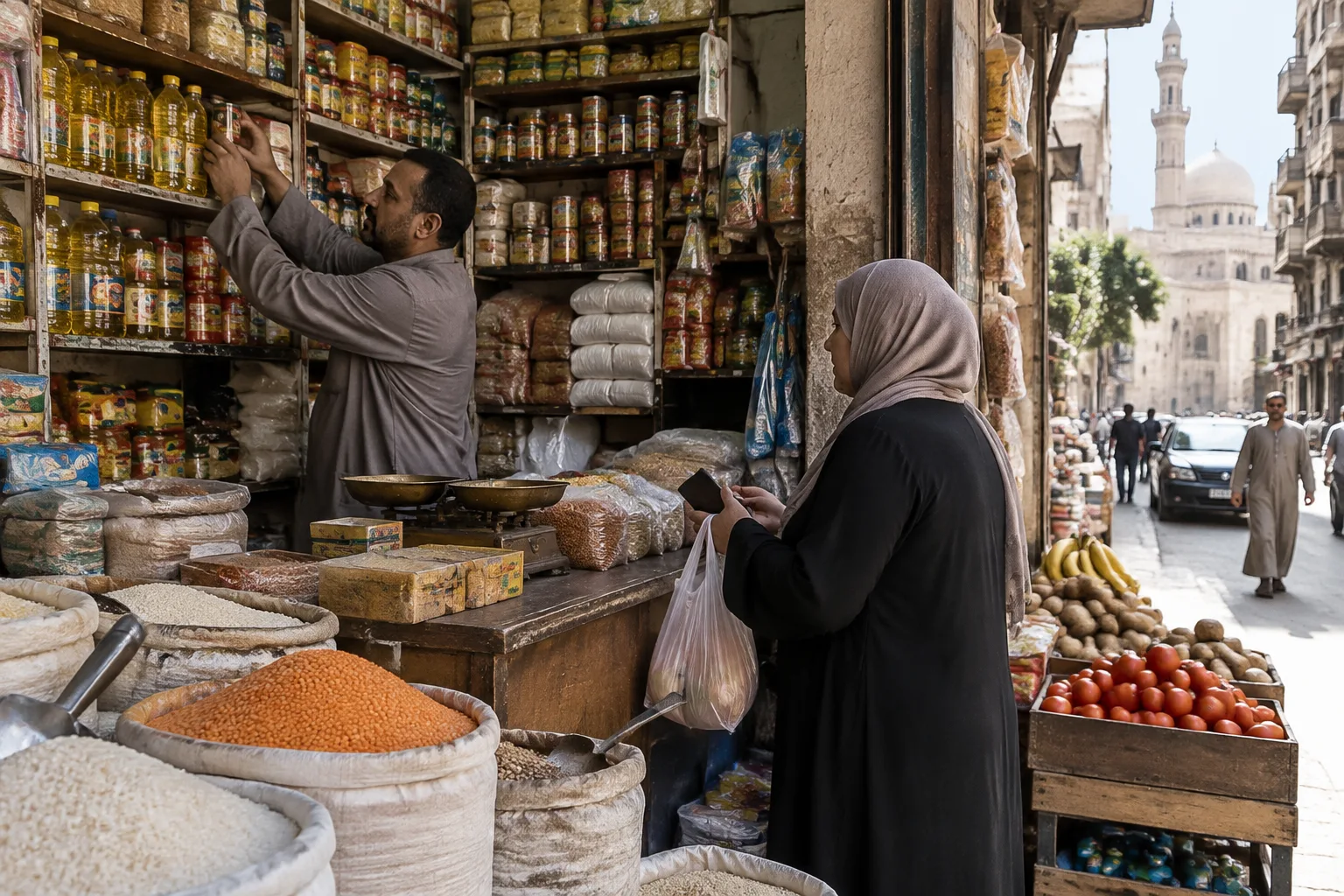
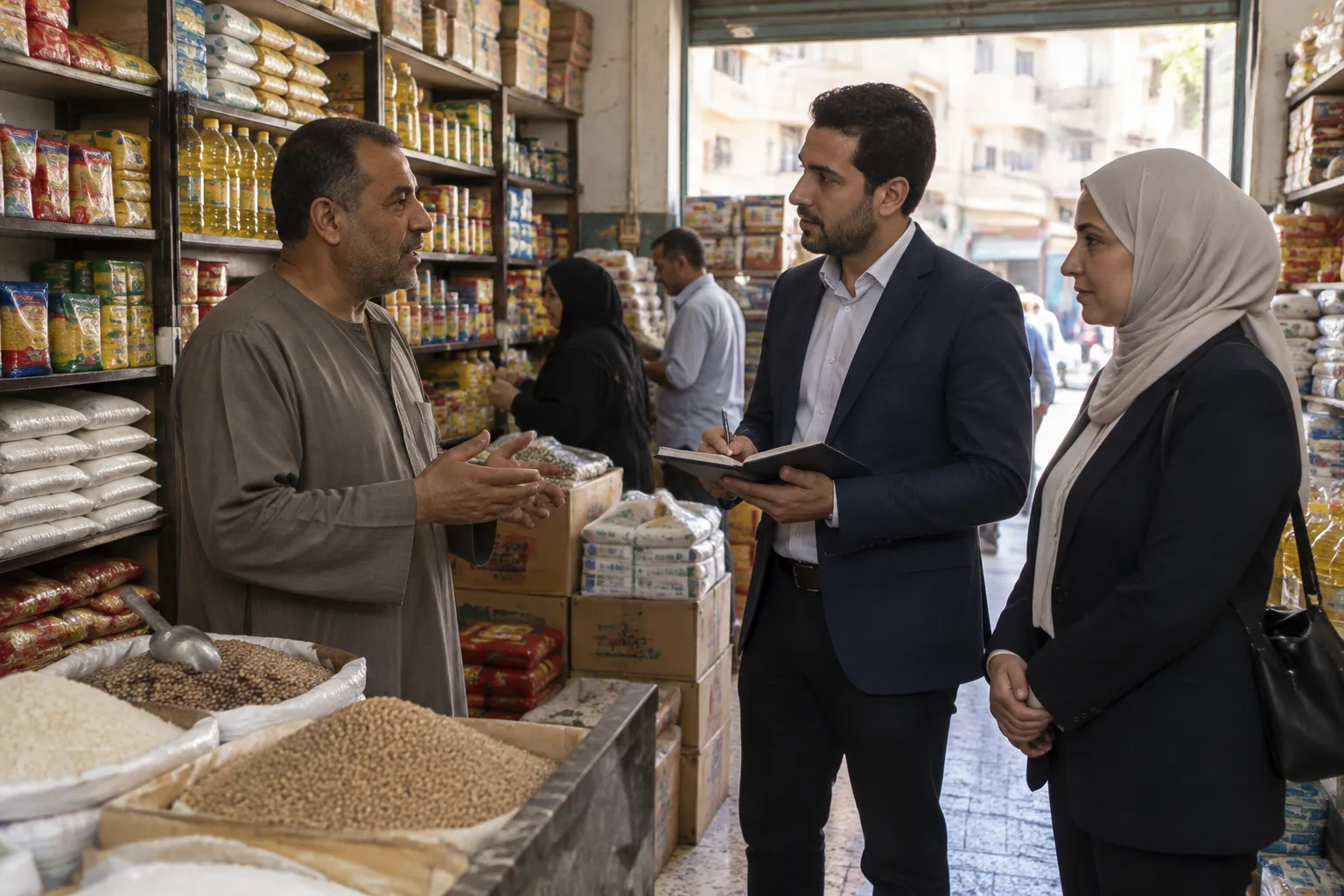
Dr Sherif Farouk, Egypt’s Minister of Supply and Internal Trade, said traditional grocers account for 75% of the country’s retail market, compared with around 25% for retail chains and major brands. Announced at the opening of the Egypt Retail Summit 2026, the figures highlight the importance of traditional shops for franchise businesses and brands looking to expand their presence.
A retail landscape that extends beyond major chains
According to a report published by Al Borsa newspaper on 26 October 2026, the minister linked these market shares to the importance of broadening partnerships to include the various participants in Egypt’s domestic trade sector. This picture suggests that brand expansion in Egypt is not solely about major chains: it also involves a network of traditional grocers serving the largest share of the market.
For the franchise sector, it is important to distinguish between the presence of organised retail brands and the size of the market served by traditional sales channels. The roughly one-quarter share held by chains and major brands is not a standalone measure of the franchise market. The minister’s classification compares chains and major brands with traditional grocers, rather than franchised outlets with company-owned stores.
The figures therefore help explain the structure of Egypt’s retail market, but do not mean that franchising accounts for 25% of it. This distinction matters when using the data to assess an investment opportunity or plan a brand’s expansion: the market share of a broad category of retailers should not be treated as an estimate of the franchise sector’s size.
The supply network adds a geographical dimension to expansion
Farouk also outlined the scale of the goods distribution network linked to the ministry. He said it comprises 40,000 outlets nationwide, including 1,060 operated by the Holding Company for Food Industries, alongside more than 30,000 grocers authorised to distribute subsidised goods. These figures illustrate the breadth of the distribution system’s outlet base, which extends well beyond major retail chains.
The minister said the ministry was open to various forms of collaboration with private companies, including profit-sharing and introducing franchising arrangements for grocers distributing subsidised goods. He also discussed cooperation with consumer co-operatives and outlets operating under the Carry On brand, as part of efforts to modernise distribution and improve services.
The stated outlet count does not represent signed franchise agreements or branches trading under a single brand. It describes a distribution network encompassing different types of retail outlets. It is therefore more accurate to view the figure as a potential base for collaboration than as expansion already delivered by any particular brand. The minister identified the aims of cooperation as increasing the availability of goods, improving service quality and providing products at fair prices.
Retail summit connects producers with buyers
The market figures were announced at an event intended to broaden opportunities to market Egyptian products at home and abroad. Al Borsa reported that the Egypt Retail Summit aims to connect local companies with decision-makers at major retail chains and tap into distribution networks comprising around 40,000 points of sale across 12 countries, serving nearly 500 million customers.
These networks are distinct from the goods distribution outlets within Egypt’s domestic supply system, despite the similar total number of points of sale. The former were cited in the context of access to multiple markets through the summit, while the latter refers to outlets across Egypt. The two figures should neither be added together nor treated as a single network.
In an interview published by Dawla News on 27 October, the chief executive of B2B Matchmaking, the summit’s organiser, said the event aims to connect Egyptian retail chains with their counterparts in Arab and African markets. Target markets include Saudi Arabia, Kuwait, the UAE, Ghana, Tanzania, Rwanda and Kenya, with opportunities for direct contact with purchasing managers to assess products and explore supply opportunities.
What do the figures mean for the franchise sector?
The statements bring together two distinct routes that should be considered separately: getting products onto shop shelves through supply agreements, and expanding brands through operating and partnership arrangements that may include franchising. Contact with a buyer or retail chain to sell products does not, in itself, constitute an announcement of a franchise award or a new branch opening.
The practical value of the figures lies in helping businesses ask the right questions before deciding to expand. Is the brand seeking to open branches, increase the number of outlets stocking its products, or work with existing shops? Which contractual model suits each route? Traditional grocers’ substantial market share makes understanding existing sales channels an important part of assessing the market, but it does not, on its own, guarantee the success of any expansion model.
Practical takeaway: Use retail market-share data to understand routes to consumers, then assess each opportunity on the basis of its contractual and operating model. Do not equate the number of points of sale with the number of franchised branches.
Sources
- المؤشر | بنظام «الفرنشايز».. التموين تطرح 40 ألف منفذ تمويني للشراكة مع القطاع الخاص
- مونجيني تعزز توسعاتها بنظام الفرنشايز في مصر وتوقع 3 ...
- «التموين» تتيح 40 ألف منفذ أمام القطاع الخاص بنظام «الفرنشايز» والشراكة
- وزير التموين يفتح الباب أمام القطاع الخاص للشراكة مع "كاري أون" بنظام الفرنشايز
- حوار حصري لبوابة الدولة الإخبارية.. الرئيس التنفيذي لشركة B2B Matchmaking: قمة مصر للتجزئة تفتح أسواقا جديدة أمام المنتجات المصرية | التقارير | بوابة الدولة