Carry On aims to bring 30,000 subsidised grocery retailers in Egypt under one brand
Egypt’s Ministry of Supply aims to bring around 30,000 subsidised grocery retailers under the Carry On brand, with staff training and digital services central to its outlet modernisation plan.
Published
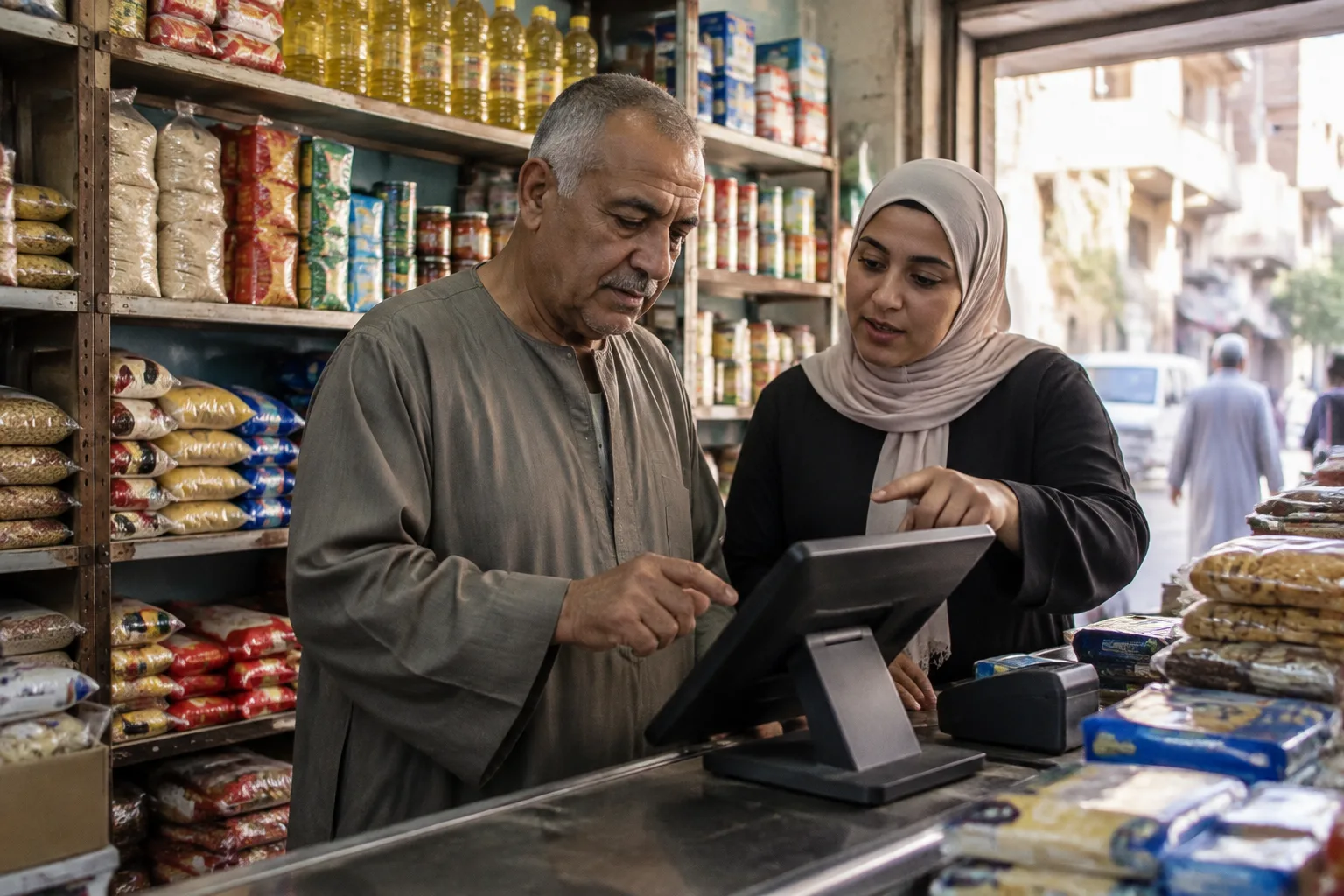
Egypt’s Ministry of Supply aims to bring around 30,000 grocery retailers serving the country’s subsidised food scheme under the Carry On brand, as part of a national project to modernise retail outlets. Staff training and technology are central to the transition towards a unified network. The development is relevant to those following Egypt’s franchise market, particularly outlet management models and efforts to deliver a consistent customer experience at scale.
A single identity for the subsidised grocery network
According to remarks by Dr Sherif Farouk, Minister of Supply, published by FinTech Gate on 7 November 2026, the ministry is restructuring and modernising its retail outlet network to improve access to essential goods, offer affordable products and raise service standards.
The minister explained that the distribution system includes around 30,000 subsidised grocery retailers, which the ministry aims to bring under the Carry On brand. This forms part of the national outlet modernisation project and a move towards a more structured model for delivering products and services, rather than simply adding a trading name to individual shops.
The announced figure represents the size of the network targeted for modernisation, not the number of outlets confirmed to have already adopted the new identity. Nor do the remarks mean that every subsidised grocery retailer has become a franchisee: unifying a brand and signing franchise agreements are separate steps and should not be treated as the same thing.
For those following the franchise market, this distinction matters. The announcement concerns plans to unify an existing network, not the opening of 30,000 new shops or the release of an equivalent number of franchise opportunities for investors.
Training comes before joining the network
Farouk stressed that modernising outlets is not simply a matter of making a franchise model available or accepting products into the network; it begins with developing staff skills. This includes training employees to manage outlets, use technology and join the unified system.
He highlighted the role of the Micro, Small and Medium Enterprise Development Agency in training staff and equipping them to meet the new system’s requirements. The stated aim is to help integrate outlets into a connected network built around technology and improved services, linking the new brand identity to employees’ ability to put it into practice.
This priority gives the plan a clear operational focus: a shop carrying a shared name also needs staff capable of managing transactions and services in line with the network’s requirements. As outlined by the minister, staff development remains an integral part of modernisation, rather than a separate activity or something to address after changing shopfronts.
Digitalisation and storage form part of the upgrade
The minister said collaboration with entrepreneurs and young people would extend beyond operating retail outlets to other parts of the value chain. These include digitalising transactions, developing customer loyalty programmes and providing technology services for the domestic trade sector.
Areas for collaboration also include outlet-related logistics, warehouse upgrades and modern storage methods. According to the remarks, large companies, start-ups and individuals able to provide solutions and services that improve the system’s efficiency could all participate.
Farouk also referred to cooperation with Amazon and said the ministry was ready to work with other companies interested in helping develop the food supply and domestic trade system. The announcement did not link this cooperation to granting Amazon a franchise to operate Carry On outlets, so it should be understood in the broader context of service development.
For the franchise community, these details show that monitoring the project involves more than looking at the brand above the door. It also means examining the tools that support the network’s operations, from digital transactions and storage to staff training.
Different figures within a broader plan
The minister also discussed around 1,060 outlets and consumer cooperative stores that the ministry is working to modernise to meet the public’s needs. He said the traditional consumer cooperative model no longer delivered the intended level of service or reach, explaining that the upgrades cover retail outlets, cooperatives and retail chains.
He disclosed that the ministry was working, in cooperation with the enterprise development agency, with more than 8,600 young men and women who own suitable outlets or have the capacity to acquire appropriate premises. He noted that these outlets are located across Egypt, as part of efforts to broaden participation by young people and entrepreneurs.
These figures describe different aspects of the modernisation programme. They should not be added together as a single total of Carry On branches, nor treated as signed franchise agreements. The specific brand development is the aim to bring around 30,000 subsidised grocery retailers under one identity.
Practical takeaway: Outlet owners and service providers should monitor the announced training requirements, technology integration requirements and procedures for joining the network, while distinguishing between adopting a shared brand identity and securing a contractual franchise.
Sources
- TMR and Kitopi sign franchise agreement to launch CATCH22 and Awani in Egypt
- «وزير التموين» المصري: توحيد 30 ألف منفذ تمويني تحت العلامة التجارية «كاري أون» ضمن مشروع قومي لتطوير تجارة التجزئة
- TMR and Kitopi Sign Exclusive Partnership to Bring 'CATCH22' and 'Awani' to Egypt for the First Time
- TMR and Kitopi sign exclusive partnership to bring CATCH22 and Awani to Egypt for the first time
- Fran News Bureau