Yezixiong franchise dispute: court orders refund and compensation, but company appeals
A first-instance court ordered Chengdu Benyuan Enterprise Management Co., Ltd to refund RMB 18,810 in service fees and pay RMB 15,000 in compensation. The company has appealed. The Yezixiong dispute highlights the importance of checking franchise filings and retaining evidence of promised operational support.
Published

According to a Haibao News report dated 6 November 2026, a court has issued a first-instance judgment in a franchise dispute between a Yezixiong bubble tea shop operator in Wenzhou and Chengdu Benyuan Enterprise Management Co., Ltd. The court ordered the company to refund part of the fees and compensate the operator for losses. The company has appealed, so the judgment should not be treated as the final outcome.
First-instance court orders a service fee refund and compensation
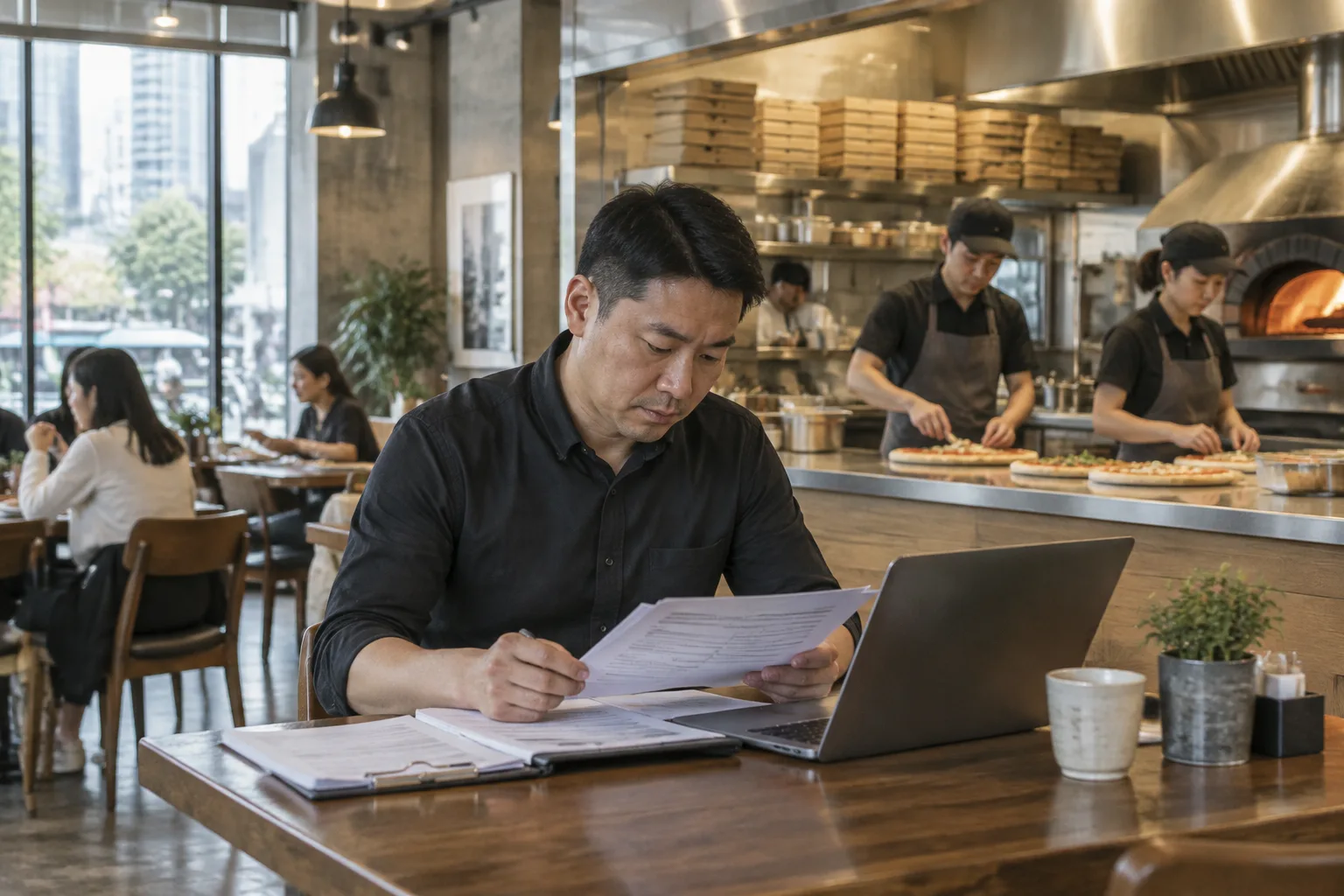
The report states that Mr Tang submitted his contact details in February 2025 after seeing a bubble tea franchise promotion on Douyin, China's short-video platform. Two months later, he travelled to Chengdu and signed a cooperation and services agreement with Chengdu Benyuan Enterprise Management Co., Ltd for the Yezixiong food and beverage venture. He subsequently opened a shop in Wenzhou, Zhejiang province, investing almost RMB 70,000 in total.
Mr Tang said the shop struggled financially and eventually closed in March 2026. He sued Benyuan in June that year. In October 2026, the Wuhou District People's Court in Chengdu ordered the company, at first instance, to refund RMB 18,810 in cooperation service fees and pay RMB 15,000 in compensation for financial losses.
According to the report, the court found that the company's initial promotional claims had misled Mr Tang to some extent and that its conduct as a franchisor was improper. The company has appealed, and the outcome of further proceedings will determine whether those findings stand.
The dispute concerns support promises as well as revenue
Mr Tang alleged that the company failed to honour recruitment-stage promises of a “small investment, quick payback and monthly income above RMB 10,000”, as well as on-site operational support and guaranteed profitability. These are allegations raised by the operator and should not all be treated as facts established by the court.
For prospective franchisees, the case highlights the need to compare recruitment claims with the services actually delivered. When assessing an opportunity, investors can ask for the precise scope, delivery schedule and responsibilities for training, opening support and on-site guidance to be written into the contract, rather than relying on a vague promise of “support throughout”.
Reporter finds no franchise filing record for the company
The report states that on 4 November 2026, a journalist entered the company's full Chinese name into the Commercial Franchise Information Management system on China's Ministry of Commerce business platform. The search returned no records.
China's Regulations on the Administration of Commercial Franchising require a franchisor to have at least two directly operated outlets that have been trading for more than one year. Franchisors must also file with the relevant commerce authority within 15 days of entering into their first franchise agreement.
The filing record and the “two outlets, one year” requirement need to be checked separately. The reported search result relates directly to the filing position. Mr Tang also questioned whether the company met the directly operated outlet requirement, but a filing search alone cannot establish whether all its operating conditions were satisfied.
Keep evidence when signing and pursuing a claim
The report cites advice from Li Lihong, a lawyer at Shandong Guoyao Qindao Law Firm: parties should preserve contracts, payment transfer records, franchise recruitment materials, chat histories and call recordings involving recruitment and operations staff, and evidence of losses such as rent and fit-out costs.
These materials help establish the agreed terms, payments made, promotional claims and actual losses, providing a basis for specific claims. It is also important to distinguish between the shop's total losses, the amount awarded at first instance and any compensation ultimately recoverable.
Practical takeaway: before paying, verify the contracting entity, franchise filing records and evidence of directly operated outlets, and put support commitments in writing. If a dispute arises, preserve original evidence promptly and do not assume that a first-instance judgment is the final outcome.