Guangdong’s New Delivery Sealing Rules Take Effect in October: Food Franchise Outlets Should Review Packing Procedures
Guangdong’s consumer rights protection regulations take effect on 1 October 2026, setting clear requirements for food delivery packaging and seals. Food franchise networks should review sealing materials, packing procedures and handovers to third-party delivery providers.
Published
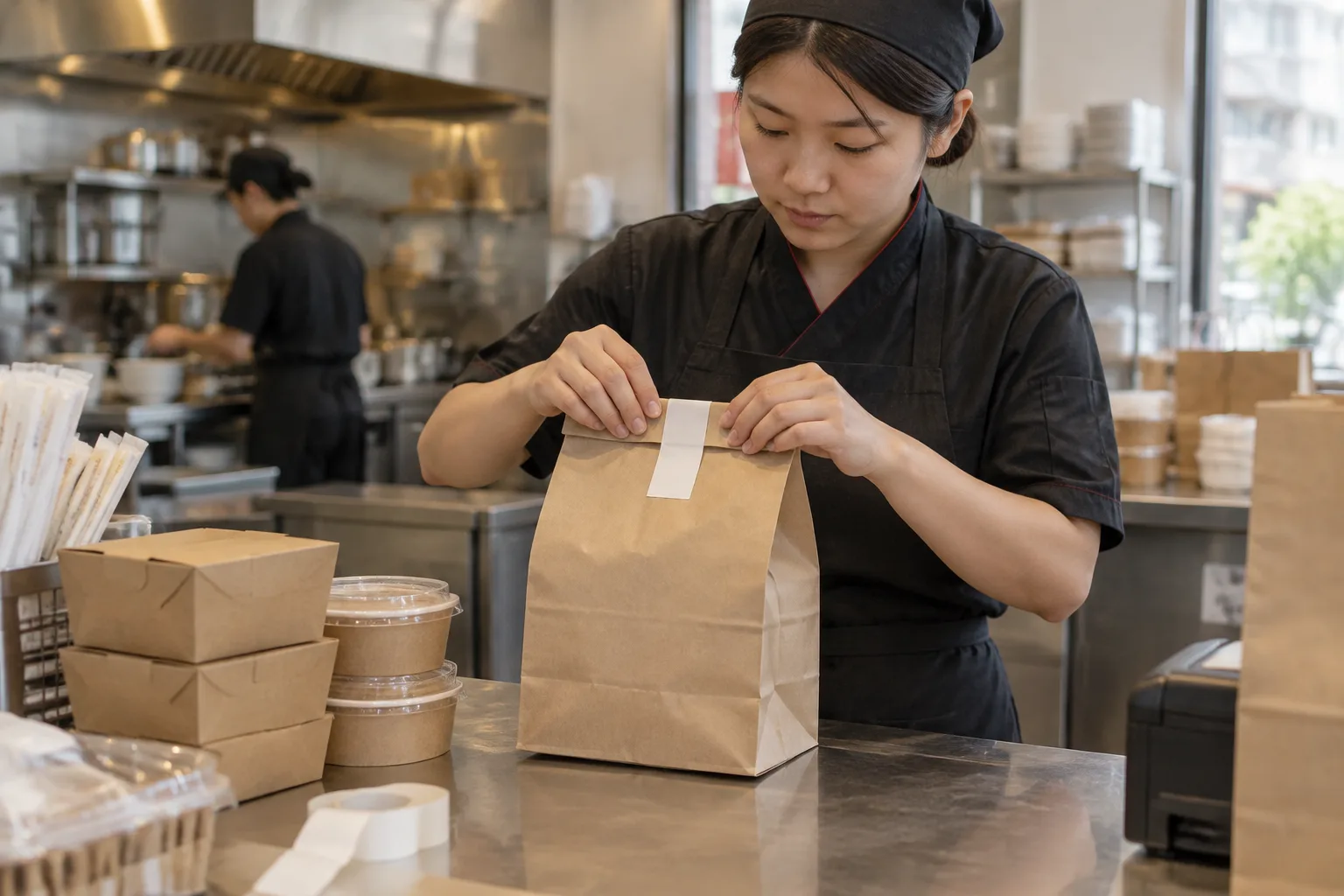
Guangdong has introduced explicit sealing requirements for food deliveries. According to a restaurant industry weekly report published on 11 October, the Guangdong Province Regulations on the Protection of Consumer Rights and Interests take effect on 1 October 2026. They require seals on delivered food to be impossible to restore to their original condition once opened, with signs of opening readily identifiable by consumers. For food franchise networks operating in Guangdong, this directly affects everyday packing procedures at outlets.
New rules set out packaging and sealing requirements
The regulations were adopted on 31 July 2026 at the 26th meeting of the Standing Committee of the 14th Guangdong Provincial People’s Congress. Article 19 requires food service operators providing delivery services, either themselves or through a third party, to use food containers, tableware, drinking vessels and packaging materials that meet food safety standards.
Alongside these material requirements, the regulations require operators to seal food for delivery and ensure that, once opened, the seal cannot be restored to its original condition and that consumers can readily identify signs of opening. Compliance checks therefore need to go beyond whether the packaging is closed: they must also consider whether prior opening would be apparent.
Third-party deliveries are also covered
The provision covers both deliveries made by operators themselves and those entrusted to third-party providers. Franchise outlets cannot overlook packaging and sealing requirements before dispatch simply because a third party is delivering the order.
Outlets could carry out checks once packing is complete and before handing the order over for delivery: is the food sealed, could the seal easily come loose during handling, and would opening it leave an identifiable change? These are practical suggestions based on the provision, not a new, detailed checklist prescribed by the regulations.
Head office guidance should reflect the packaging actually used
Franchise brands can use the requirements to review operating guidance for their Guangdong outlets, focusing on packaging material selection, seal placement and packing methods for different menu items. Centralised purchasing by head office does not replace the need for outlets to check how well seals work in practice.
For example, paper bags, plastic bags and food containers have different structures. Whether the same sealing method meets the requirements should be checked using the actual packaging. Training should also distinguish between ‘sealing material has been applied’ and ‘the seal cannot be restored once opened, and signs of opening are readily identifiable’. This helps prevent staff from simply applying a seal without checking the final result. These are management recommendations for implementing the rules; they do not mean that the regulations prescribe a particular material or technical solution.
Put the requirements into practice with a process review
The practical message for food franchise networks is to include both packaging materials and seal performance in pre-dispatch checks, rather than focusing solely on delivery speed. Brands and franchisees can review their existing packaging and feed any issues identified back into purchasing and training.
Practical tip: food franchise outlets in Guangdong can start with a complete packing demonstration, checking materials, seals and the condition of the package at handover in turn. The key question is whether consumers would be able to tell that the packaging had been opened.