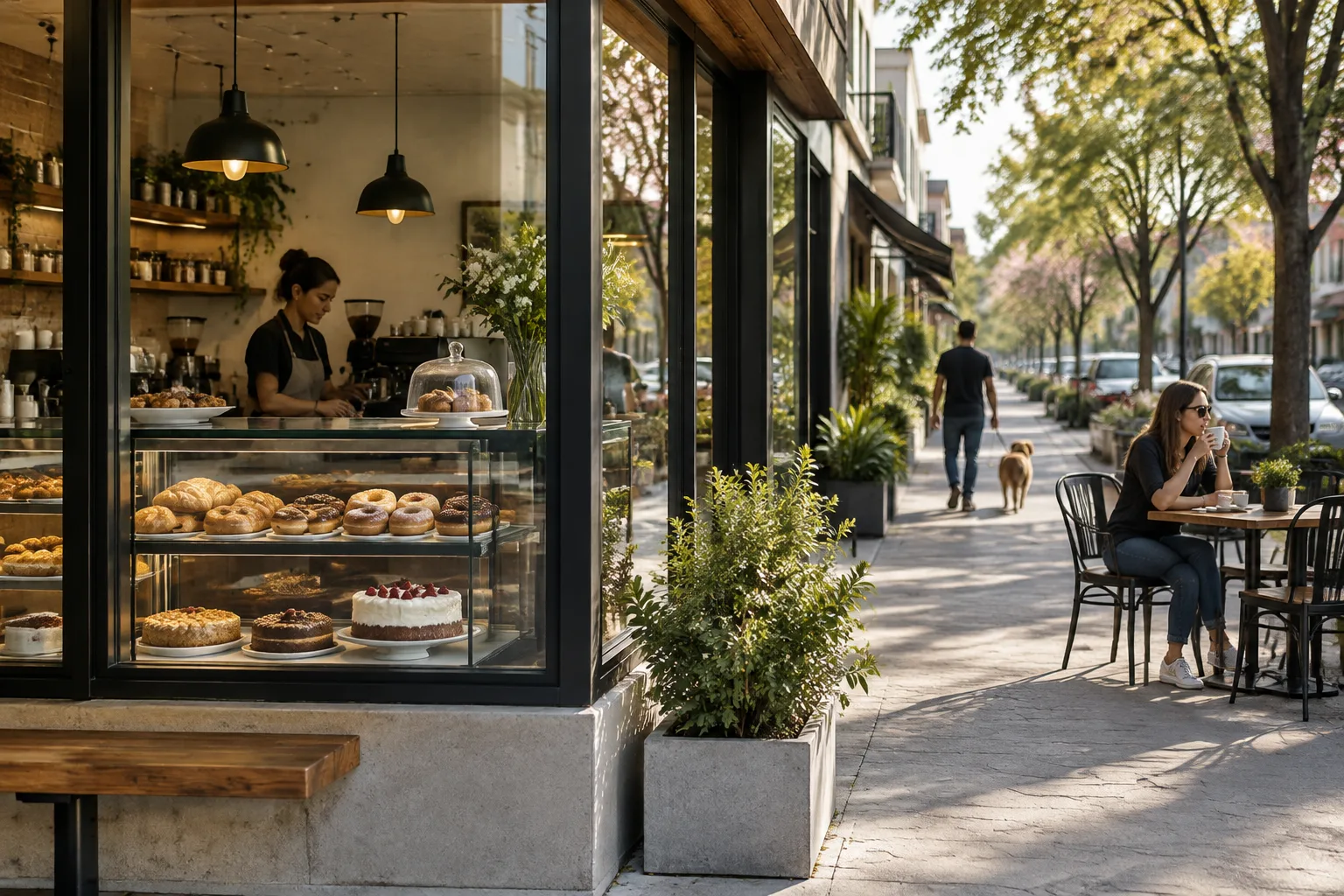
Ramallo Club relaunches franchise programme from US$9,000
The Argentinian sandwich chain aims to expand in Greater Buenos Aires and Neuquén with kitchen-free outlets. The advertised investment excludes stock.
Published
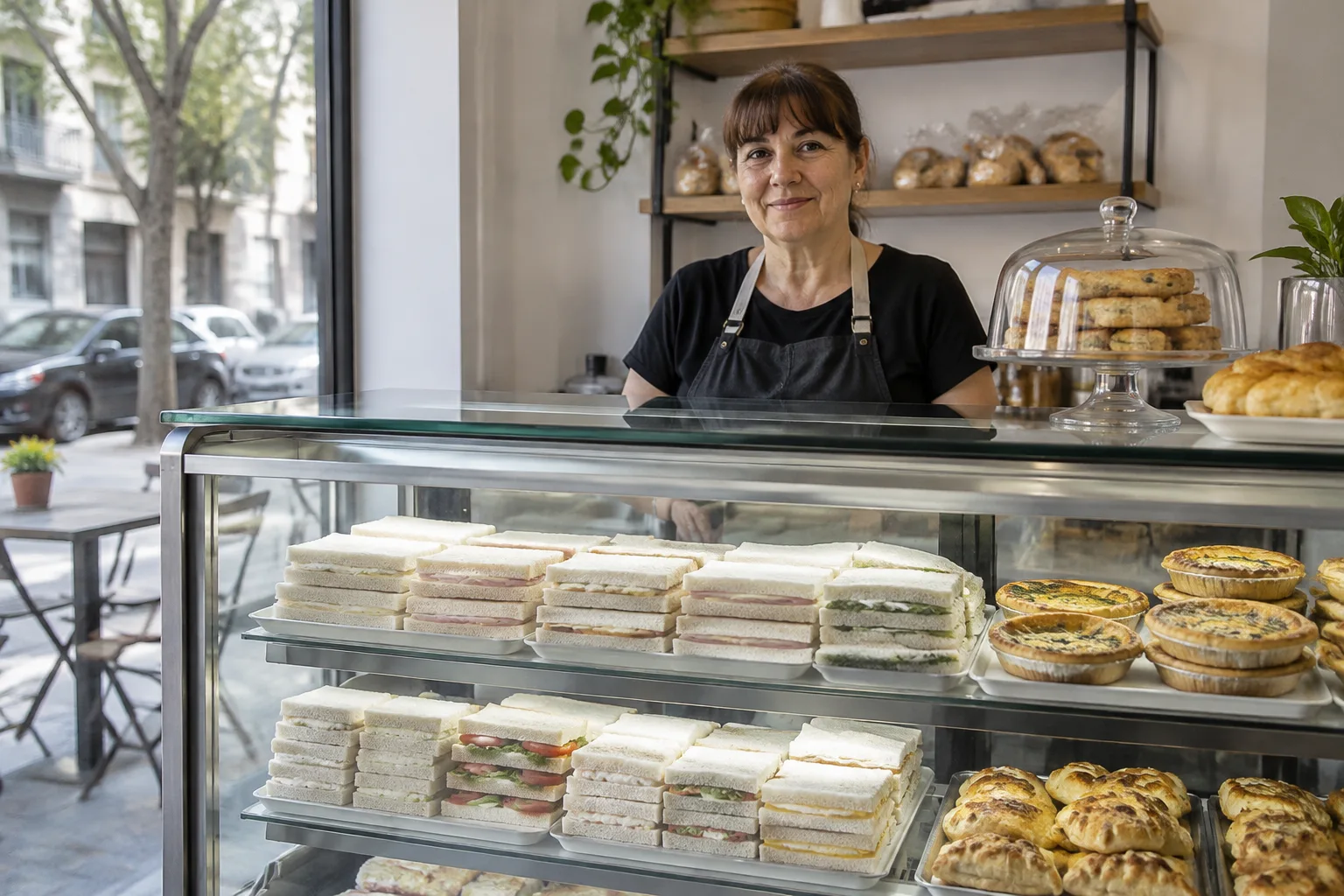
Ramallo Club has announced the relaunch of its franchise programme to expand across the Buenos Aires Metropolitan Area (AMBA) and the province of Neuquén in Argentina. The family-owned business specialises in sándwiches de miga — thin, crustless sandwiches — and offers a turnkey format with an advertised investment of US$9,000, plus stock, supported by centralised production.
A new phase for a network of 26 outlets
According to information published by LatinSpots on 11 November 2026, Ramallo Club has been operating for more than 35 years and has 26 outlets across AMBA. The relaunch aims to recruit franchisees over the coming months, targeting both entrepreneurs and investors.
The expansion has two strands. The company intends to strengthen its presence in the metropolitan area where it already operates. It is also seeking a master franchisee for Neuquén, a province among its growth priorities. This search is a development objective, not an announcement of a confirmed opening there.
Within the franchise sector, the proposition is presented as a self-employment opportunity. The model allows owners to handle customer service and day-to-day operations themselves, without previous experience in the food service industry.
What the advertised investment covers
The brand quotes an investment of US$9,000 for a turnkey outlet of approximately 30 square metres. Stock must be added to that amount, an important distinction when assessing the capital needed to get started.
The company advertises an estimated payback period starting at 12 months. This is the franchisor’s commercial forecast, not a guaranteed outcome for every outlet. Prospective franchisees should assess it against a budget for their chosen location and the operating terms agreed.
The main figures and features announced are:
- Advertised investment: US$9,000, plus the cost of stock.
- Suggested floor area: around 30 square metres.
- Format: turnkey outlet designed for owner-operators.
- Company-estimated payback period: from 12 months.
- Training: at the company’s headquarters.
Joining the network is subject to the franchisor’s assessment and approval. Ramallo Club says it will apply selection criteria to ensure new outlets meet its standards for quality, customer service and operations. Having the advertised investment available therefore does not guarantee acceptance.
Centralised production and a broader range
The proposed model separates food production from retail operations. Ramallo Club handles production and daily distribution, while franchisees focus on serving customers and managing their outlets.
According to the company, this removes the need to install an on-site kitchen, recruit specialist food preparation staff or provide production facilities and extraction systems. It also reduces the need to manage multiple suppliers. When assessing a potential opening, however, the absence of on-site food preparation should not be mistaken for a blanket exemption from the requirements applicable to food retailers.
The relaunch also includes an expanded product range. Alongside sándwiches de miga, the offer includes picadas — meat-and-cheese sharing platters — artisan pizzas ready to heat and serve, cakes and pastries, savoury tarts, wraps, tinned foods, healthy snacks, pickles and sweet treats.
The company presents this diversification as a way to increase average transaction value and improve outlet profitability. That is the commercial aim of the expanded range; no quantified results from the change have been released. The company also says it aims to enable franchisees to sell products at prices up to 20% below those of competitors.
Support and terms to assess
The offer includes training at headquarters, marketing support and ongoing advertising campaigns. These services support a model in which the brand handles both production and supply, two central elements of the proposed operation.
Prospective franchisees should distinguish current facts from expectations: the 26 outlets make up the existing network; expansion in AMBA and Neuquén is planned, and the payback period is a company estimate.
Practical takeaway: before committing capital, request a detailed breakdown of the turnkey package, add stock to the budget and check the supply terms and outlet approval requirements. The entry figure is a starting point, not a substitute for a full assessment of the business.