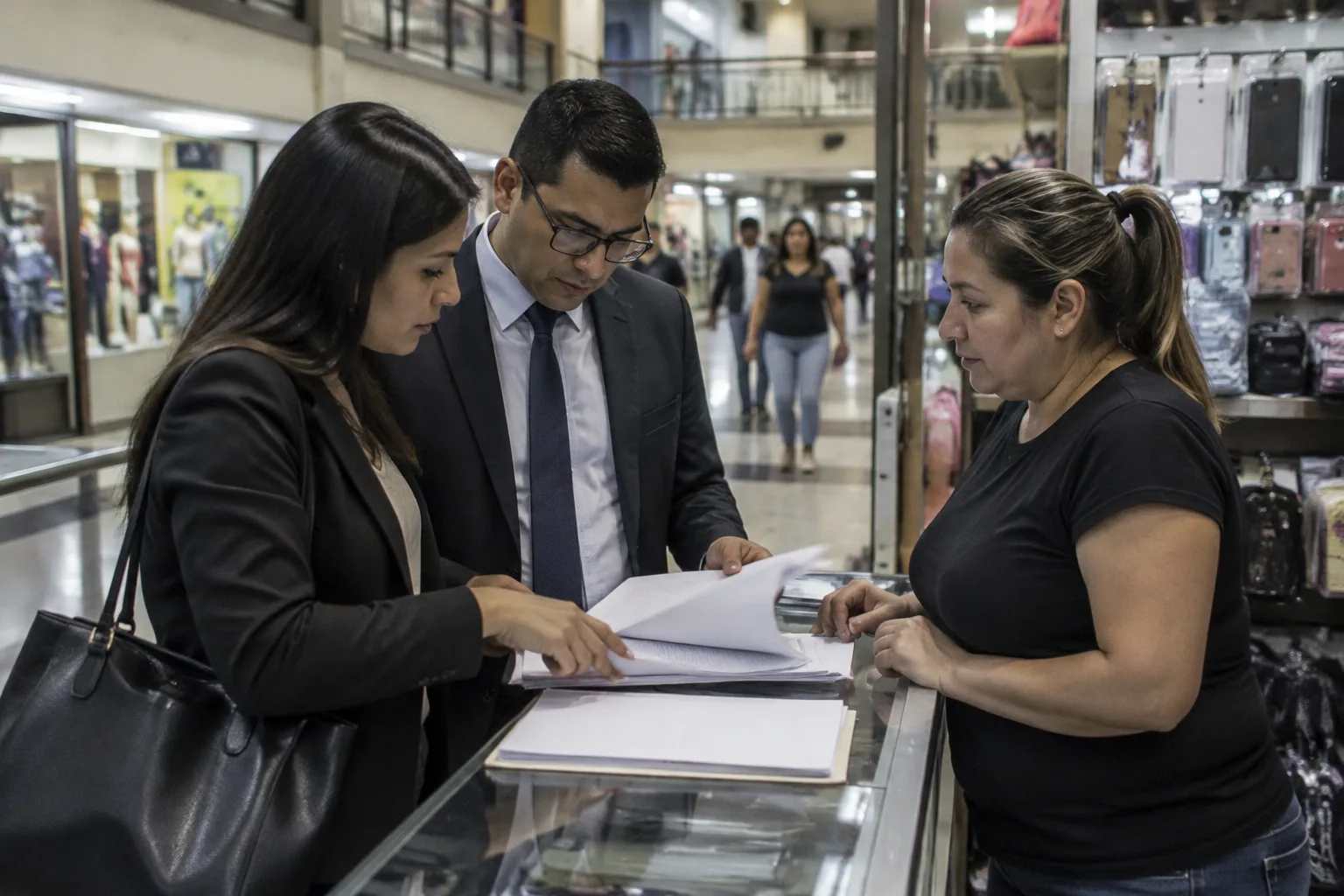
Venezuela announces changes to fiscal devices and taxpayer registration
The government has announced the suspension of mandatory fiscal devices and a reduction in the register of special taxpayers.
Published
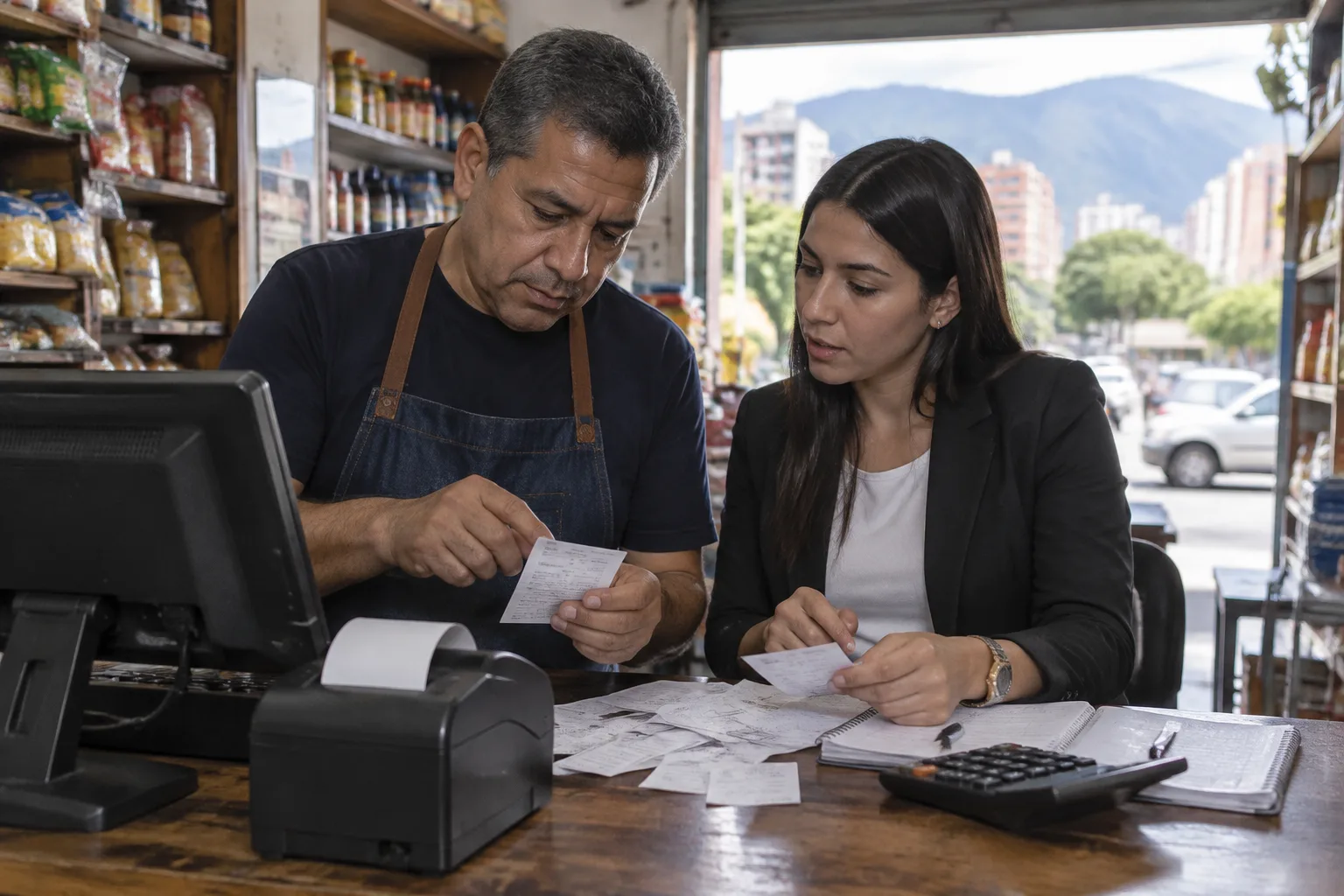
The Venezuelan government has announced changes to invoicing requirements and the register of special taxpayers, with the aim of making it easier for small businesses to enter the formal economy. For the franchise sector, the news warrants attention because of its implications for outlet administration. However, it should not be interpreted as the abolition of taxes or an automatic benefit for every outlet in a network.
What was announced about fiscal devices
According to a report published by El País on 22 October 2026, Delcy Rodríguez announced the immediate suspension of the requirement for commercial establishments to use fiscal devices — equipment used to record sales for tax purposes. The report identifies start-ups and smaller businesses as direct beneficiaries of the change.
The announcement came during a meeting with Román Maniglia, superintendent of the National Integrated Customs and Tax Administration Service, known as Seniat. The stated aim is to reduce operating costs and the administrative barriers that make it difficult for small and medium-sized businesses to enter the formal economy.
The measure is presented as a way to remove the mandatory investment in purchasing and maintaining these devices. This is the specific cost targeted by the announcement: it does not mean that all requirements relating to sales documentation will disappear.
For a franchised outlet, it is important to distinguish between these two issues. The obligation to use a particular device is one thing; the business's tax compliance is another. The government statement maintains this distinction by explaining that the changes seek to simplify invoicing and tax filing procedures.
Special taxpayer register reduced by 67%
The second part of the package is a reorganisation of the register of special taxpayers. According to the published report, the register was reduced by 67%, from more than 132,000 registered taxpayers to approximately 44,000 businesses and individuals that meet the legal criteria for this category.
Special taxpayer status entails additional tax withholding obligations. The authorities presented the revision as a way to relieve small traders of complex administrative burdens and make their dealings with the tax authorities easier.
The figures relate to the register as a whole, as described in the announcement. They are not a count of franchisees, nor do they make it possible to calculate how many franchise outlets will see a change in status.
This distinction matters when assessing the news: a nationwide reduction in the register does not, in itself, establish the position of any particular business. Decisions should be based on the applicable tax status of the taxpayer responsible for each operation.
Simplification does not mean tax exemption
The government clarified that the package does not represent a tax exemption. Its stated scope is to simplify invoicing and filing procedures, alongside adjustments to the special taxpayer register.
It would therefore be incorrect to present the announcement as a blanket removal of small businesses' tax obligations. Nor should the percentage reduction in the register be treated as an estimate of savings: these are different measures, and the announcement does not establish how much each business would save.
For the franchise sector, the most cautious approach is to distinguish between the measure's purpose and its application to each outlet. The announced aim is to help businesses enter the formal economy and reduce administrative burdens; decisions on equipment, processes and tax filings require specific checks before operational changes are made.
What to check before changing operations
As a practical recommendation, franchise operators should review two separate matters with their tax adviser: the taxpayer's status with Seniat and the invoicing requirements applicable to the outlet. This review can help prevent a general announcement from leading to rushed changes at the till or in accounting procedures.
Any adjustments should also be coordinated with the brand's administrative team, keeping internal procedures distinct from tax obligations. Communication between the two parties is particularly useful when considering replacing equipment or changing sales documentation.
In practice: before removing a fiscal device or changing a tax filing procedure, confirm how the measures apply to the business. The announced simplification does not remove the need to comply with tax obligations.
Sources
- Studio F amplía de tres a siete su apuesta en Venezuela y suma Caracas al regreso de las marcas colombianas
- Llaollao llega a Venezuela con la apertura de dos tiendas en Caracas | Bienmesabe
- Detalles de Platomico, la app que llegaría a competir directamente ...
- Delcy Rodríguez anuncia reforma tributaria para facilitar la ...
- Grand Chef expande su propuesta gastronómica e inaugura su segunda sede en Maracaibo – Entresocios
- Rústicos La Mundial inaugura nuevo concesionario en Maracaibo – Entresocios
- De Venezuela a Gainesville: una pareja convierte su amor por los perros calientes en un negocio familiar