Franchising in Venezuela: agreeing on pricing and promotions
Before buying a franchise, clarify who sets prices, how discounts are funded and what limits competition law imposes.
Published
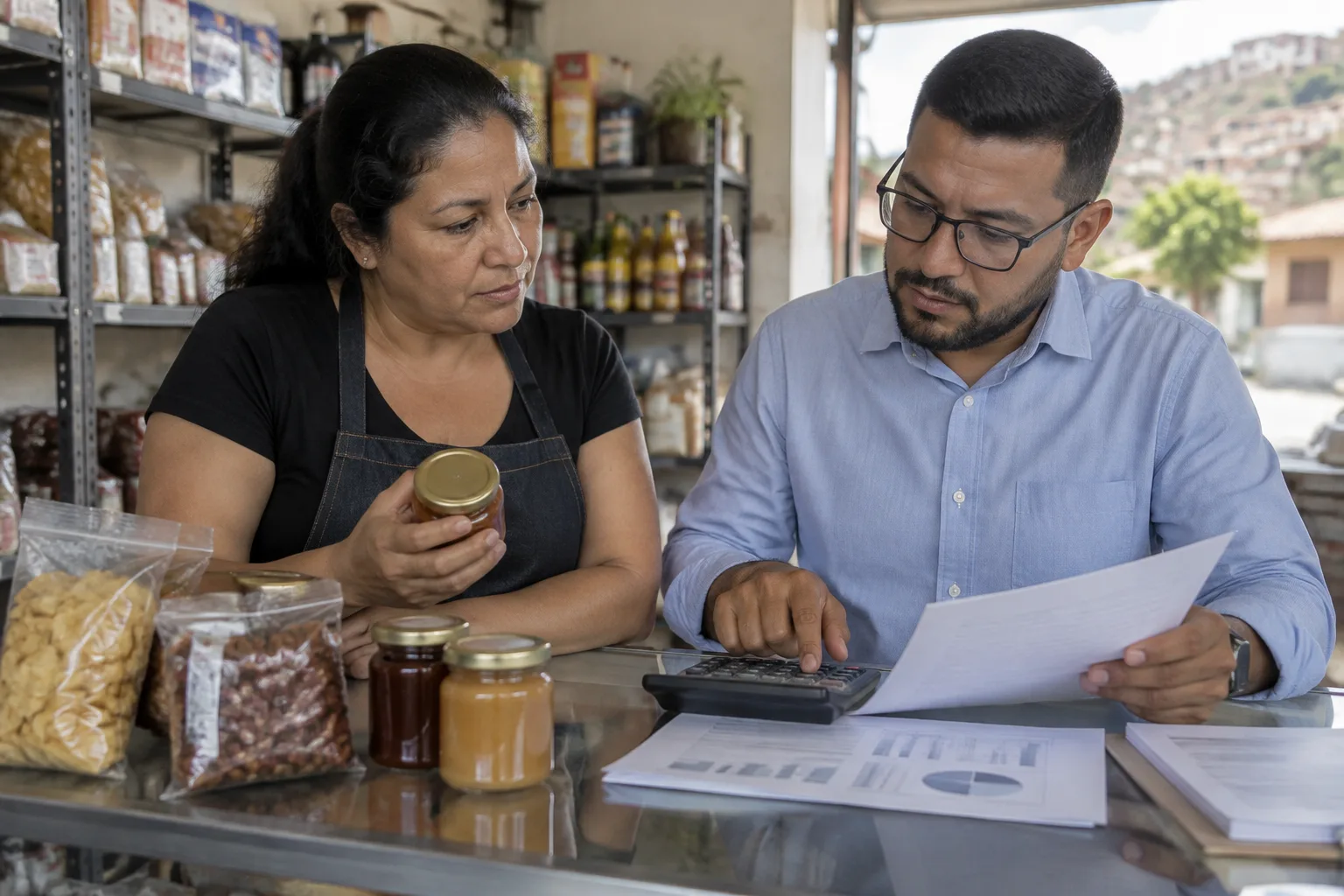
A promotion can attract customers while leaving too little margin on a sale. Before joining a franchise network in Venezuela, check who will be able to set prices and commit your business to discounts. Knowing the product range is not enough: you need to understand which decisions will remain yours and which will be governed by the contract, always within the applicable legal limits.
1. Distinguish recommended prices from binding instructions
Ask the franchisor to explain its commercial policy in writing. A recommended price list is not the same as an obligation to sell at those prices. Nor is calling a price ‘recommended’ enough if departing from it leads to penalties or the loss of benefits.
Review the contract, the operating manual and the settings in the sales system. Check that they all provide for the same degree of autonomy. A contract that allows price adjustments is of little practical use if the software blocks every change and no one has been given authority to approve it.
Prepare a table covering four questions for each sales channel:
- Who proposes the price: the brand, the franchisee or an external platform.
- Who approves it: identify the person responsible and the procedure.
- Who can change it: distinguish permanent changes from one-off discounts.
- What happens if there is a disagreement: ask for details of the review process and its contractual consequences.
Include sales on the premises, digital orders and home deliveries where these form part of the business model. Do not assume that one rule covers every channel, or that a restriction is lawful simply because it appears in a signed agreement.
2. Calculate who pays for each promotion
Before accepting mandatory campaigns, ask for documented examples of how their costs are shared. The aim is not to substantiate a sales promise, but to establish how much of the discount your outlet will ultimately fund.
For each campaign, identify the price the customer will pay, the cost of the product or service, any additional packaging, payment processing fees and delivery costs you will bear. Add any contractual charges applicable to the transaction, using the relevant calculation basis.
The amount received minus the variable costs attributable to the sale gives an estimate of its contribution towards fixed costs. This figure is not the business’s net profit. Ask your accountant to account separately for taxes and any amounts that should not be treated as your own revenue.
Also clarify how you will receive any contribution from the brand: an invoice reduction, a credit note or a later reimbursement. Promised support does not solve a cash-flow need if it arrives after you have paid for stock, staff and transport.
Ask specifically about vouchers, loyalty points and discounts issued by other outlets. If your outlet must accept them, there should be a rule identifying who must reimburse you, how the transaction will be verified and how disputes will be resolved.
3. Negotiate a promotional campaigns addendum
Turn the promotions policy into a contractual procedure that can be checked in practice. Avoid a broad obligation to ‘participate in all campaigns’ that leaves duration, costs or responsibilities undefined.
Propose that the addendum specify:
- Advance notice: the information you will receive before launch and the communication channel to be used.
- Scope: participating products, outlets and channels, dates, and the conditions for combining discounts.
- Funding: how costs will be shared, the documents required and when reimbursement will take place.
- Operational capacity: how stock shortages, availability limits and justified requests for exceptions will be handled.
- Errors: who is responsible for correcting incorrectly entered prices or advertisements that do not match the approved terms.
Negotiate a mechanism for reviewing campaigns that prove financially unsustainable for your outlet. You could propose a joint assessment of documented costs and commercial alternatives, followed by a written response. Do not present this as an automatic right to withdraw: it must be agreed and legally reviewed.
Public communications must also reflect what has been agreed. Before publication, confirm who approves the terms and who handles complaints. An internal allocation of responsibilities does not remove any legal obligations towards customers.
4. Check the limits of Venezuela’s legal framework
Venezuela has no comprehensive franchise-specific law or general mandatory pre-contractual disclosure regime equivalent to those found in some other countries. The contractual relationship rests on the Civil Code and the Commercial Code, alongside tax rules and other provisions applicable to the business activity.
For pricing and commercial restrictions, the Anti-Monopoly Law is particularly relevant. There are also specific earlier instruments, such as the Guidelines for the Assessment of Franchise Agreements issued by Procompetencia under the previous legislation. These should not be interpreted as blanket permission to impose any commercial policy.
Instruct a Venezuelan lawyer to review the current scope of these rules and the specific policy proposed by the brand, including its penalties and incentives. Commercial consistency is no substitute for a competition-law assessment.
Practical conclusion: before signing, obtain a clear pricing policy, calculate the cost of participating in campaigns and agree in writing who will fund, authorise and correct each promotion.
Sources
- Franquicias en Venezuela: cómo pactar compras y suministros
- Guías y recursos sobre franquicias en Venezuela | QFA
- Cómo crear y gestionar una franquicia rentable en ...
- www.cavedro.com › 2023 › 09lineamientos_sobre_contratos_de_franquicias
- Franquicias en Venezuela: Cómo Crear o Comprar una ...
- Nulidad de asamblea de accionistas abogado
- Franquicias en Venezuela: Guía Legal y Claves | PDF
- Elementos esenciales para la constitución y protección de ...