Buying a Franchise in Venezuela: Validating Local Demand
Check whether the brand has potential customers in your chosen area before investing. A guide to assessing demand, competition and buying habits.
Published
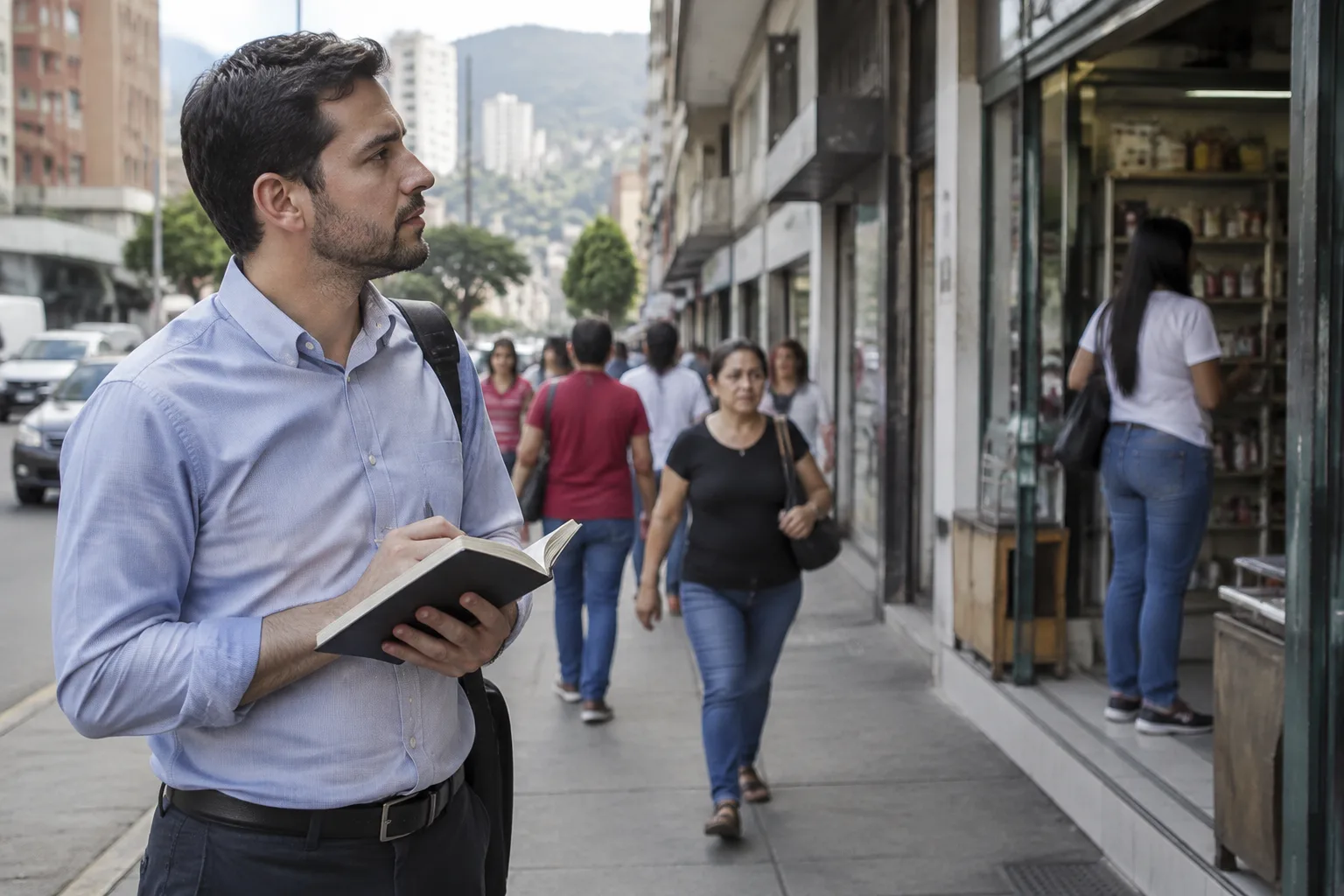
A well-known brand does not guarantee that a new outlet will attract enough customers. Before buying a franchise in Venezuela, check whether its offering suits customers in the area where you intend to operate. Shared experience within the franchise community can help you frame the right questions, but it is no substitute for a local assessment. The aim is to test demand before committing your investment.
1. Define the demand you need to validate
Start with a specific question: who would buy this product or service, on what occasion, and why would they choose this brand? Avoid broad answers such as “families” or “people who work nearby”. Distinguish, for example, between a purchase made during the working day and one planned for the weekend: these may call for different locations, opening hours and offerings.
Prepare a brief covering four points:
- Target customer: who makes the purchasing decision and who uses the product or service.
- Need: what problem it solves and how often that need arises.
- Current alternative: where the customer shops now or how they meet that need.
- Reason to switch: what specific advantage would encourage them to try the franchise.
Ask the franchisor to explain which market characteristics have helped comparable outlets succeed. A shop in a shopping centre does not, on its own, demonstrate the viability of a street-front outlet. Compare formats, accessibility, opening hours and customer profiles, rather than just cities or floor space.
2. Observe actual purchases, not just footfall
Visit the proposed area on different days and at different times. Record how many people pass through, but also look for signs of spending: customers entering comparable businesses, visible purchases, waiting times and home-delivery activity. Footfall offers exposure; it is not proof of sales.
Note the conditions during each visit. Rain, a one-off event or a competitor’s temporary closure may affect what you observe. Do not turn one promising day into a lasting conclusion.
Look beyond businesses selling exactly the same thing. A customer might choose to cook at home rather than buy a prepared meal, or use a remote alternative instead of an in-person service. That competition for their budget matters too.
Speak to potential customers using neutral questions: what they bought recently, where, why they chose it and what difficulties they encountered. Asking “would you shop here?” generally produces less useful answers than exploring actual decisions. Do not request unnecessary personal information or present the conversation as an authorised offer from the brand.
3. Test the brand’s appeal against evidence
Organise your findings in a simple table: hypothesis, supporting evidence, contrary evidence and outstanding questions. If you believe the business will depend on nearby offices, check whether their staff remain in the area during the relevant hours and which alternatives they use.
Separate three issues that are often confused:
- Recognition: people recognise the brand.
- Preference: they consider it alongside other options.
- Purchase: they are willing to pay for its offering under the proposed conditions.
Social media interactions can help shape your questions, but they do not, on their own, establish that people are buying locally. Nor should you automatically assume that another outlet’s results will transfer to yours: they may depend on how long it has been trading, its reputation or particular circumstances.
If doubts remain, propose a limited, authorised trial to the franchisor, such as a presentation of the concept or a temporary trading activity where legally permitted. Define what you want to measure before running it. If it involves sales, first check the permits, tax obligations and authorisation to use the brand. A trial can inform your decision; it does not guarantee future results.
4. Turn the assessment into a documented decision
Venezuela has neither comprehensive franchise-specific legislation nor a general statutory pre-contractual disclosure regime requiring a standardised disclosure document with prescribed content and deadlines. Franchising is structured as a commercial contract without a dedicated statutory framework, governed primarily by the Civil Code and Commercial Code, alongside tax rules, municipal regulations and other provisions applicable to the business activity.
For that reason, do not treat the brand’s commercial approval of a location as official certification of its viability or as a guarantee of demand. Ask for clarification of the scope of that assessment, and keep your own records, dates and assumptions.
Before proceeding, classify the outcome: sufficient evidence to move forward, uncertainties requiring further checks, or warning signs that suggest rejecting the location. An independent adviser can help challenge overly optimistic conclusions.
Practical conclusion: buy only after identifying the customer, observing their behaviour and assessing the alternatives. If the case for demand rests solely on brand recognition and expectations, the opportunity still needs validating.
Sources
- Franquicias en Venezuela: pactar la venta del negocio
- Comprar franquicia en Venezuela: revisar el alquiler del local
- Guías y recursos sobre franquicias en Venezuela | QFA
- Cómo Crear una Franquicia en Venezuela | PDF
- Franquicias en Venezuela: Guía Legal y Claves | PDF
- Microsoft Word - 25-6
- comercium.pdf
- Índice - WIPO - World Intellectual Property Organization