Freddy’s Signs 10-Unit Georgia and South Carolina Deal
Freddy’s has signed a 10-unit agreement with ELJ Investments, with six restaurant acquisitions also forming part of its regional growth plans.
Published
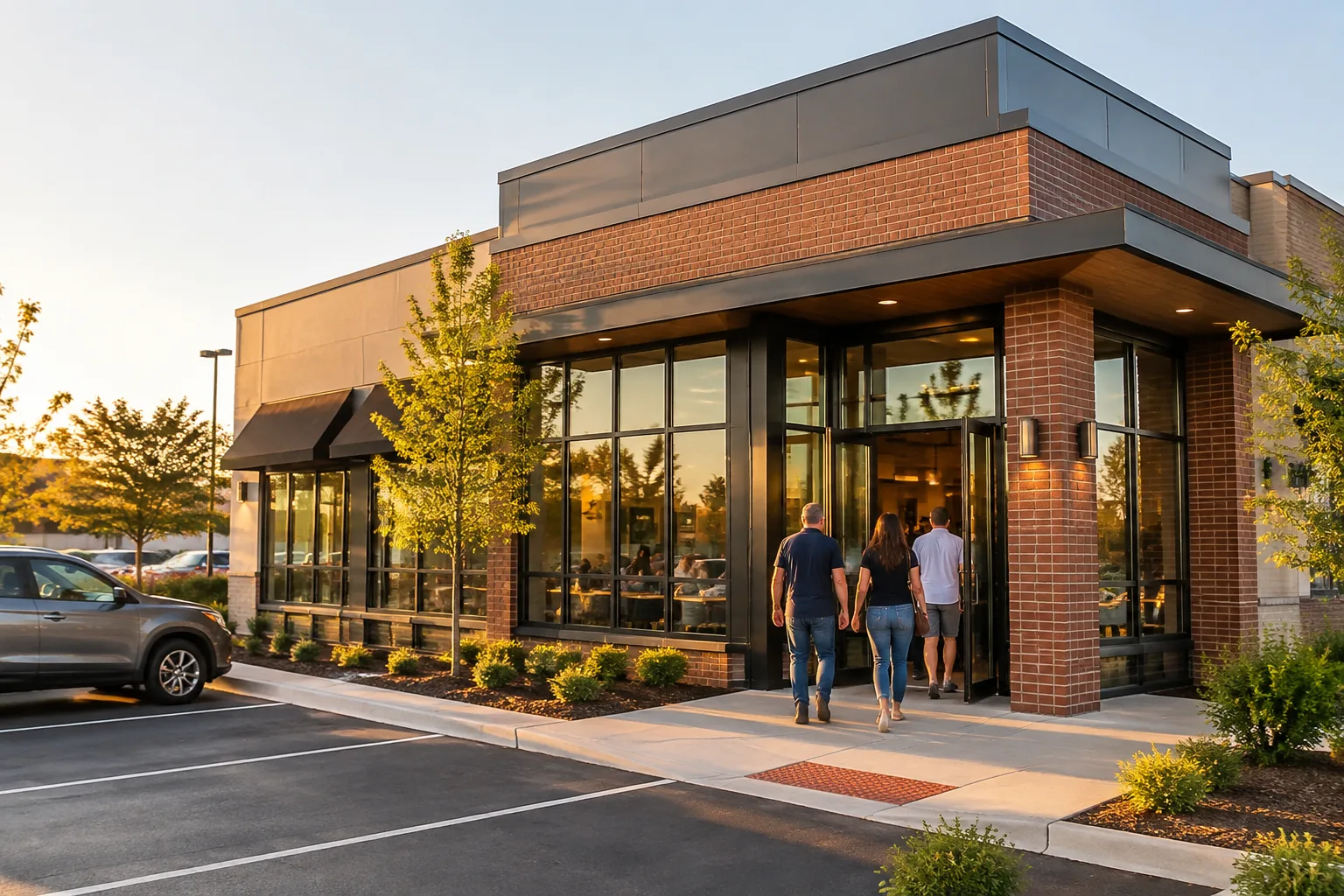
Freddy’s Frozen Custard & Steakburgers has signed a 10-unit franchise agreement with ELJ Investments covering Georgia and South Carolina. Announced on 29 September 2026, the deal brings together a new development commitment and the acquisition of existing restaurants as the fast-casual brand seeks to expand its presence in the southern United States.
Agreement centres on two southern markets
The announcement, published by Franchising.com, identifies ELJ Investments as an experienced multi-unit, multi-brand operator. It says the agreement will bring new Freddy’s locations to Georgia and South Carolina, supporting the brand’s wider US franchise growth plans.
Augusta, Georgia, and Columbia, South Carolina, are specifically named in connection with the operator’s acquisition of six Freddy’s restaurants. Those existing restaurants give the announcement a local operating dimension alongside the headline 10-unit agreement.
The distinction matters when reading the deal. A franchise development agreement describes a commitment to expand, whereas an acquisition concerns restaurants already trading. The supplied announcement refers to both, but does not explain precisely how the six acquired restaurants relate to the 10-unit total.
It would therefore be premature to describe the news as either 10 additional openings beyond those acquisitions or a combined portfolio of 16 restaurants. What is confirmed is a 10-unit agreement, an acquisition of six Freddy’s restaurants and a stated focus on growth across the two states.
Existing restaurants accompany the growth commitment
The acquisition element makes this more than an announcement about future restaurant development. ELJ Investments is also taking on an existing Freddy’s presence in the Augusta and Columbia markets, according to the release.
For the US franchise community, the arrangement illustrates how expansion can involve both the transfer of established restaurants and commitments to develop new ones. These are different operational tasks: running acquired restaurants involves an existing business, while delivering future locations requires development work before trading can begin.
The announcement does not provide purchase terms, restaurant-level financial results or a schedule for the planned openings. Nor does the supplied material name individual sites for the new restaurants. Those omissions limit what can be concluded about the investment required or the pace at which the agreement will translate into a larger trading estate.
ELJ Investments’ description as a multi-brand operator provides some context for its selection as a franchise partner. However, the supplied research does not identify its other brands or quantify its wider portfolio, so no comparison with other Freddy’s operators can yet be made on that basis.
Freddy’s reports more than 580 locations
Freddy’s said it operates more than 580 locations, with its brand description placing that estate across the United States and Canada. The Georgia and South Carolina agreement is presented as part of its continuing franchise growth initiative rather than an entry into an entirely new national market.
The company also said it is actively seeking qualified single-unit and multi-unit franchisees in the United States, Canada and Mexico. That recruitment statement should be distinguished from its current restaurant footprint: seeking franchise partners in a country does not, by itself, establish that restaurants are already operating there.
For prospective franchisees, the announcement shows that Freddy’s is pursuing a multi-unit agreement while continuing to invite interest from single-unit candidates. It does not set out the qualification criteria, available territories or financial requirements for either route.
What prospective operators should check
The next useful details would be the opening timetable, confirmed sites and clarification of the relationship between the six acquisitions and the 10-unit agreement. These would allow readers to distinguish existing operations from the future development pipeline more precisely.
Anyone assessing a comparable opportunity should also separate acquisition costs from new-location development obligations and examine each restaurant’s economics rather than relying on a headline unit count. Those are due-diligence considerations, not conclusions about this particular deal.
Practical takeaway: Freddy’s has confirmed a two-state expansion agreement with an experienced operator. Prospective franchisees should treat it as evidence of development activity, while checking the underlying timetable, commitments and financial disclosures before drawing investment conclusions.