Franchise Equipment Readiness in South Africa
Test equipment capacity, maintenance and replacement costs before asking franchisees to invest in your South African business.
Published
Equipment that works in your existing business is not automatically suitable for a franchise. A founder may keep ageing machinery running through personal contacts, improvised repairs or spare equipment borrowed from another branch. Before expanding your franchise community, test whether a new owner can buy, operate, maintain and eventually replace the equipment without those hidden advantages.
1. Define equipment by the work it must perform
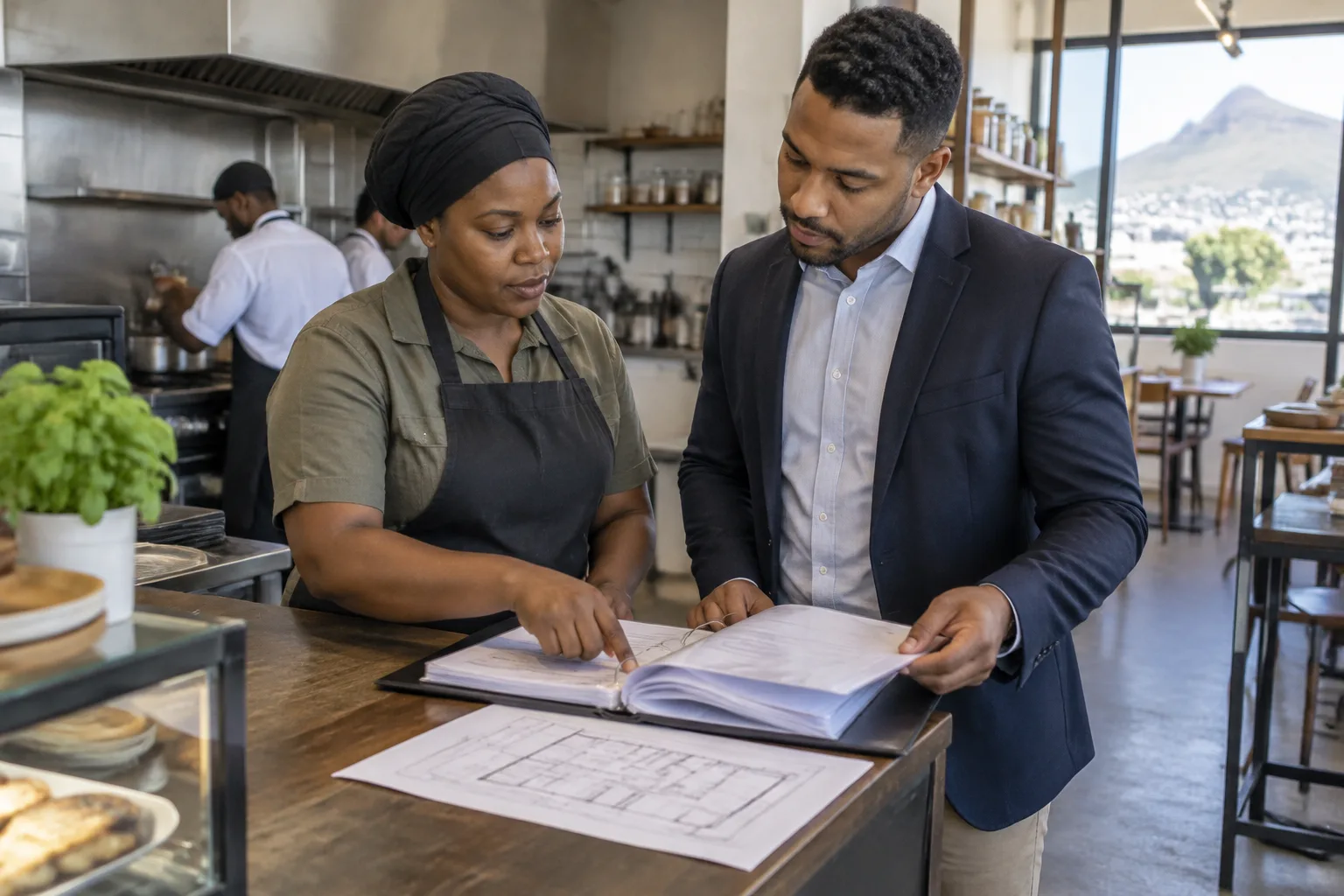
Start with an equipment register for the proposed franchise format. Include production machinery, refrigeration, tools, computers, payment devices and other assets essential to delivering your customer promise. Separate essential equipment from optional upgrades and items needed only at larger outlets.
For each essential item, record:
- The task it performs and the minimum capacity required.
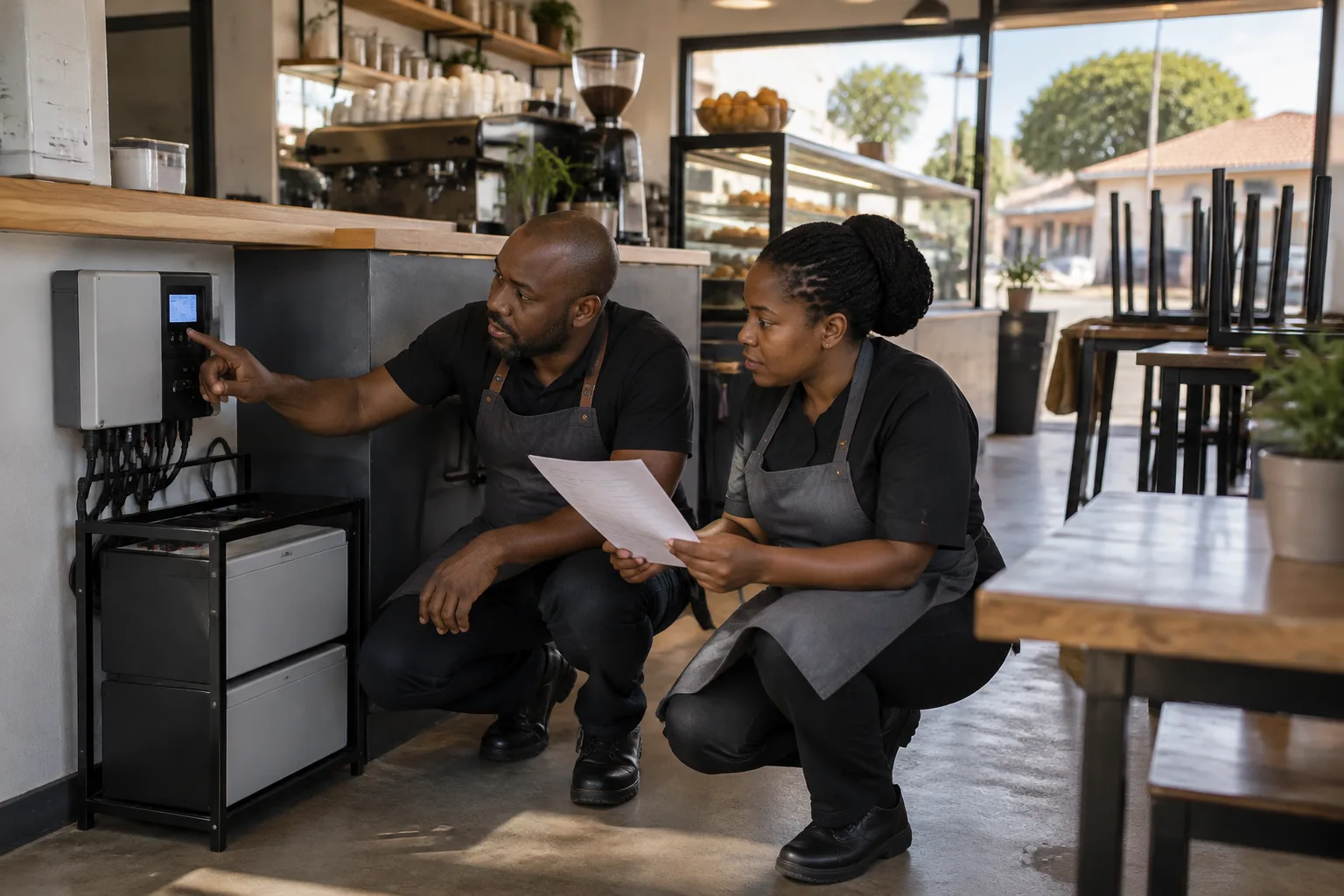
- Space, electrical, water, ventilation and connectivity requirements.
- Installation, commissioning and operator-training needs.
- Cleaning, servicing and inspection requirements.
- Warranty conditions and access to technical support.
- What happens operationally if it becomes unavailable.
Avoid turning the register into a list of preferred brands without explaining why they are suitable. A performance specification helps you assess alternatives when a model is discontinued or unavailable.
For example, a food business should assess usable refrigeration capacity during busy trading periods, rather than relying only on the cabinet’s advertised volume. A service business should establish whether its devices and software can handle simultaneous users without slowing customer service.
The key question is whether each specification supports a repeatable operating method, not whether it matches what the founder originally bought.
2. Test the complete setup in a separate pilot
A separately operated pilot unit can reveal dependencies that your established premises conceal. Equip it as a franchisee would be expected to equip an outlet, rather than supplementing it quietly with assets from the original business.
Test the complete workflow. Individual machines may perform well while the overall setup creates bottlenecks: preparation can exceed processing capacity, or completed orders can accumulate because packing space is inadequate.
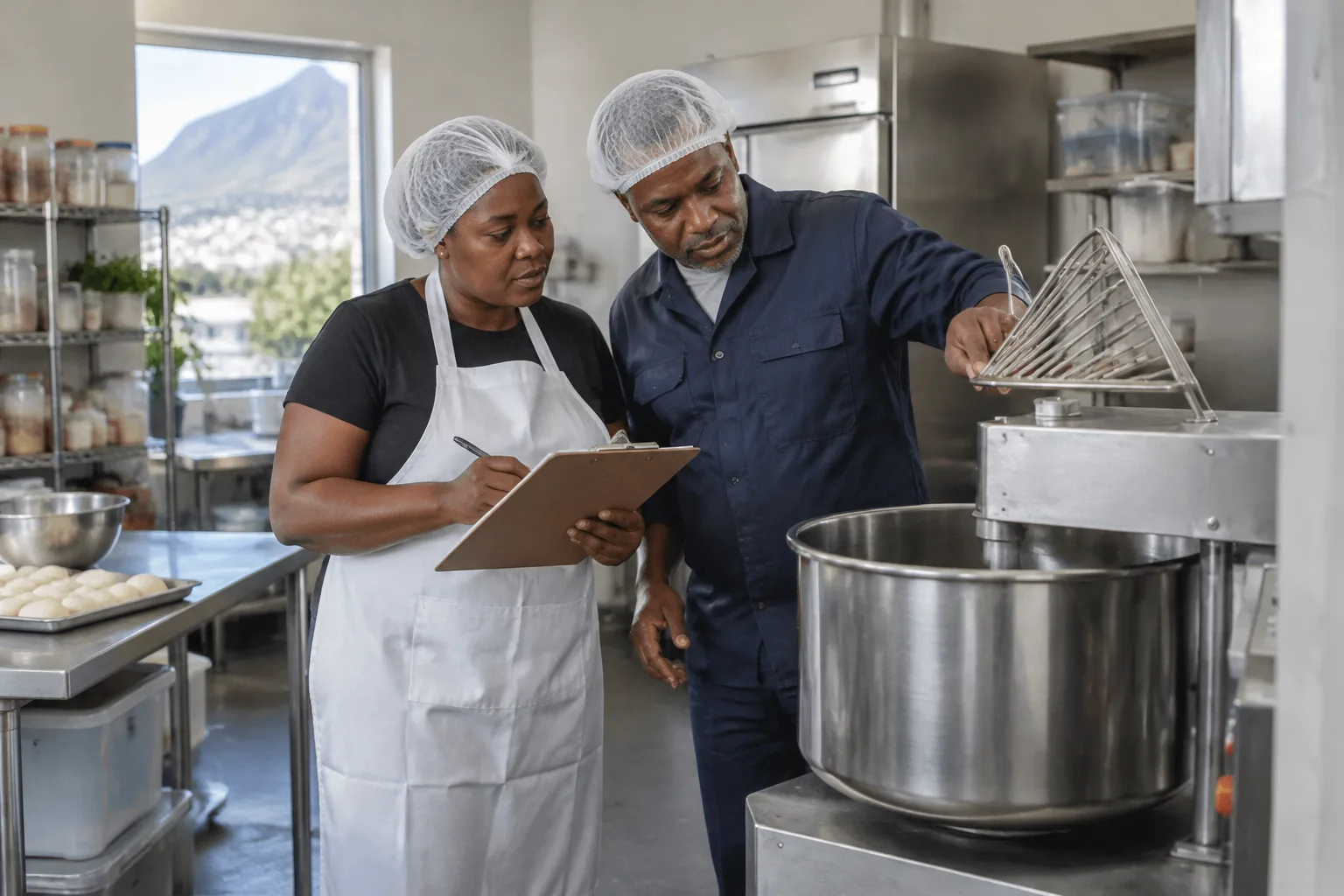
Keep a simple equipment log covering operating hours, throughput, breakdowns, servicing, consumables and repair costs. Record occasions when staff need specialist assistance or use a workaround. Include the time spent arranging repairs, not just the technician’s invoice.
Check whether servicing is genuinely accessible in the locations where you intend to expand. A maintenance arrangement that works near your original premises may involve substantial travel charges or delays elsewhere.
Set acceptance criteria before deciding that the equipment package is ready. These might include meeting peak demand, completing cleaning within scheduled hours and obtaining routine servicing without disrupting normal trading. Base the criteria on observed operating needs rather than optimistic supplier claims.
3. Calculate ownership costs and explain the investment
The purchase price is only one part of the franchisee’s equipment commitment. Build an ownership-cost schedule that includes delivery, installation, commissioning, consumables, maintenance, software subscriptions and likely replacement needs. Show which costs are supported by quotations and which remain estimates.
Distinguish warranties from maintenance plans. A warranty does not necessarily cover routine servicing, wear parts, transport or losses while equipment is unavailable. Where equipment is leased or financed, explain ownership, payment commitments and end-of-term arrangements separately.
South Africa specifically regulates franchising through the Consumer Protection Act 68 of 2008 (CPA) and its Regulations. Regulation 2 requires prescribed information in franchise agreements, including financial obligations and the funds needed to establish the business, with equipment among the listed establishment costs.
Regulation 3 requires a signed, dated disclosure document at least 14 days before the franchise agreement is signed. Financial projections must include their supporting assumptions. If projected returns depend on equipment capacity, maintenance costs or replacement timing, make those assumptions explicit and have your franchise attorney and accountant review their treatment.
Do not present an equipment quotation as the complete opening investment. Installation work and the working capital needed to operate the business must also be considered.
4. Allocate maintenance and replacement responsibilities
Before recruitment begins, decide who owns the equipment, arranges servicing, keeps maintenance records and pays for repairs. Establish how franchisees should report recurring defects and obtain approval for equivalent replacements.
Distinguish between replacing a failed item and requiring an upgrade across the network. Both affect cash flow, but they arise for different reasons. Avoid assuming that a broad instruction to follow brand standards adequately explains every future capital commitment.
Have your attorney address relevant obligations in the franchise agreement. Put practical servicing schedules, safe-use instructions and reporting procedures in the operating materials. Test those procedures in the pilot before asking franchisees to follow them.
Practical takeaway: Finalise your equipment package only when the pilot demonstrates workable capacity, realistic ownership costs and clear maintenance responsibilities. Franchisees should be buying a tested operating setup, not inheriting the founder’s collection of workarounds.
Sources
- How to start your franchise business - Absa
- How to succeed in a franchise business
- [PDF] Chapter 33 Franchising - Oxford University Press Southern Africa
- What is a franchise? How it works, costs, and risks
- South Africa: Franchise & Licensing
- The legalities of franchising | Capitec Bank
- Franchise Laws and Regulations Report 2026 South Africa - ICLG.com
- South Africa - Distribution and Sales Channels