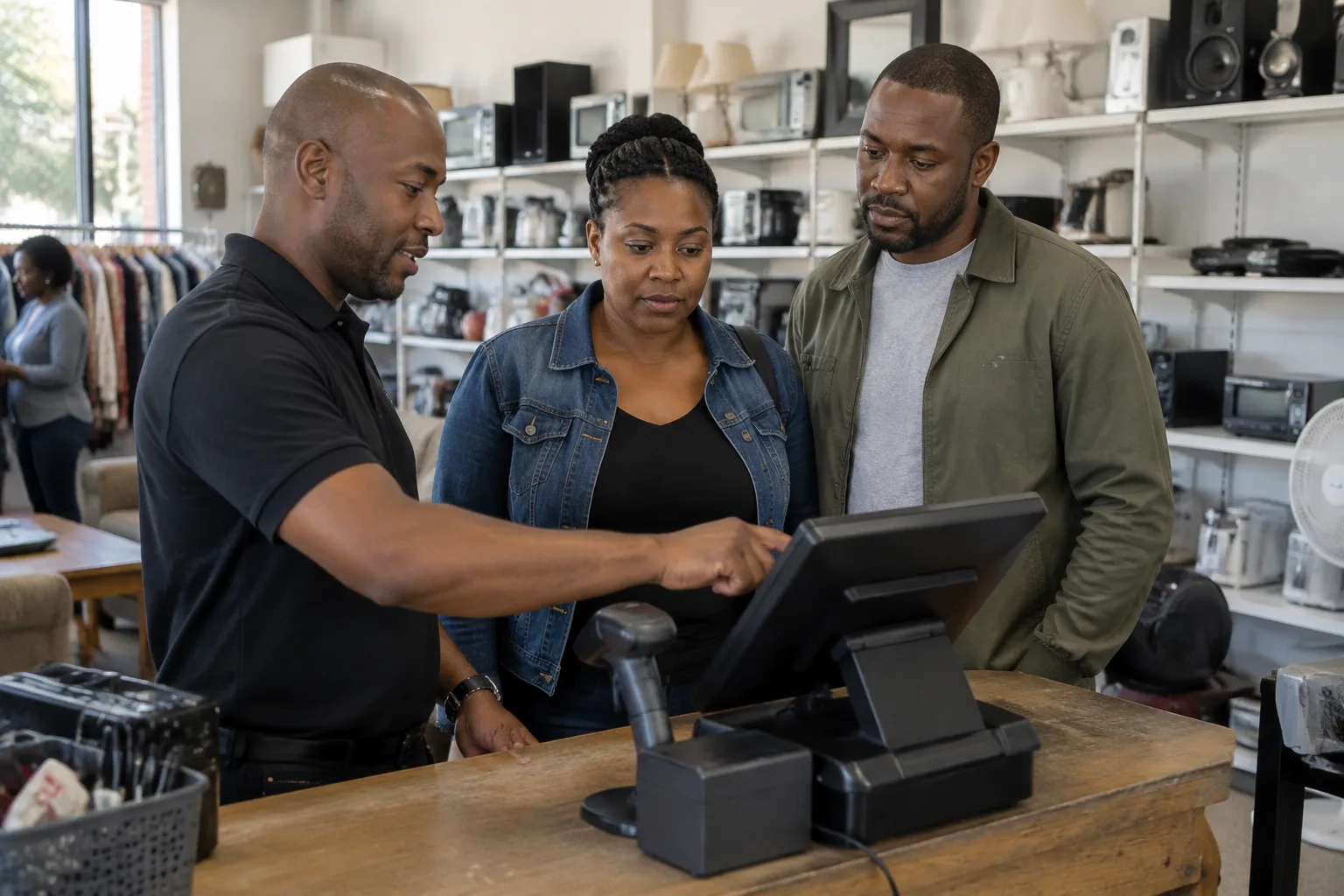
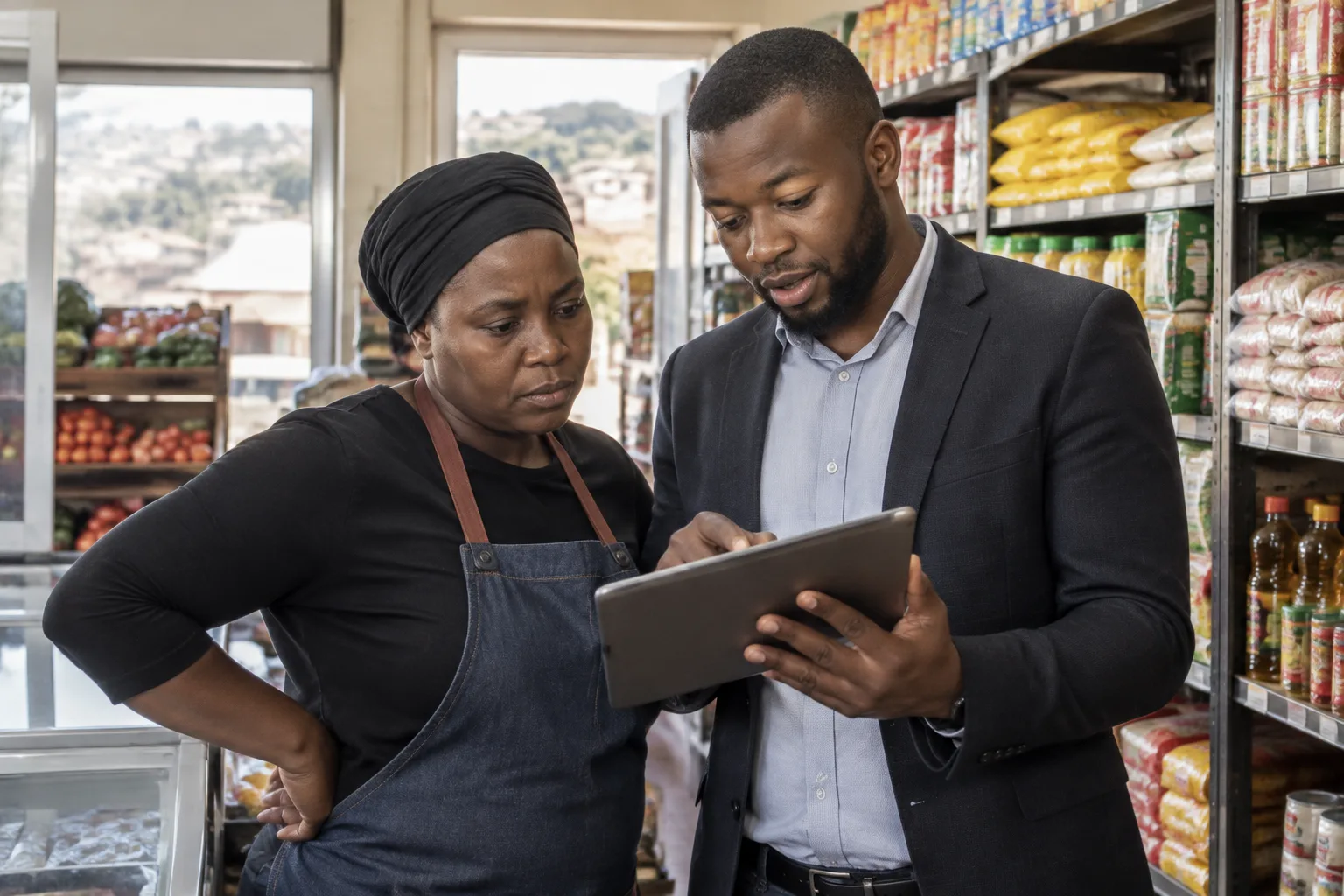
Col’Cacchio Go cuts upfront costs with smaller store format
Col’Cacchio’s smaller Go format brings reported capital expenditure down to R2 million–R2.5 million, with digital ordering central to the model.
Published
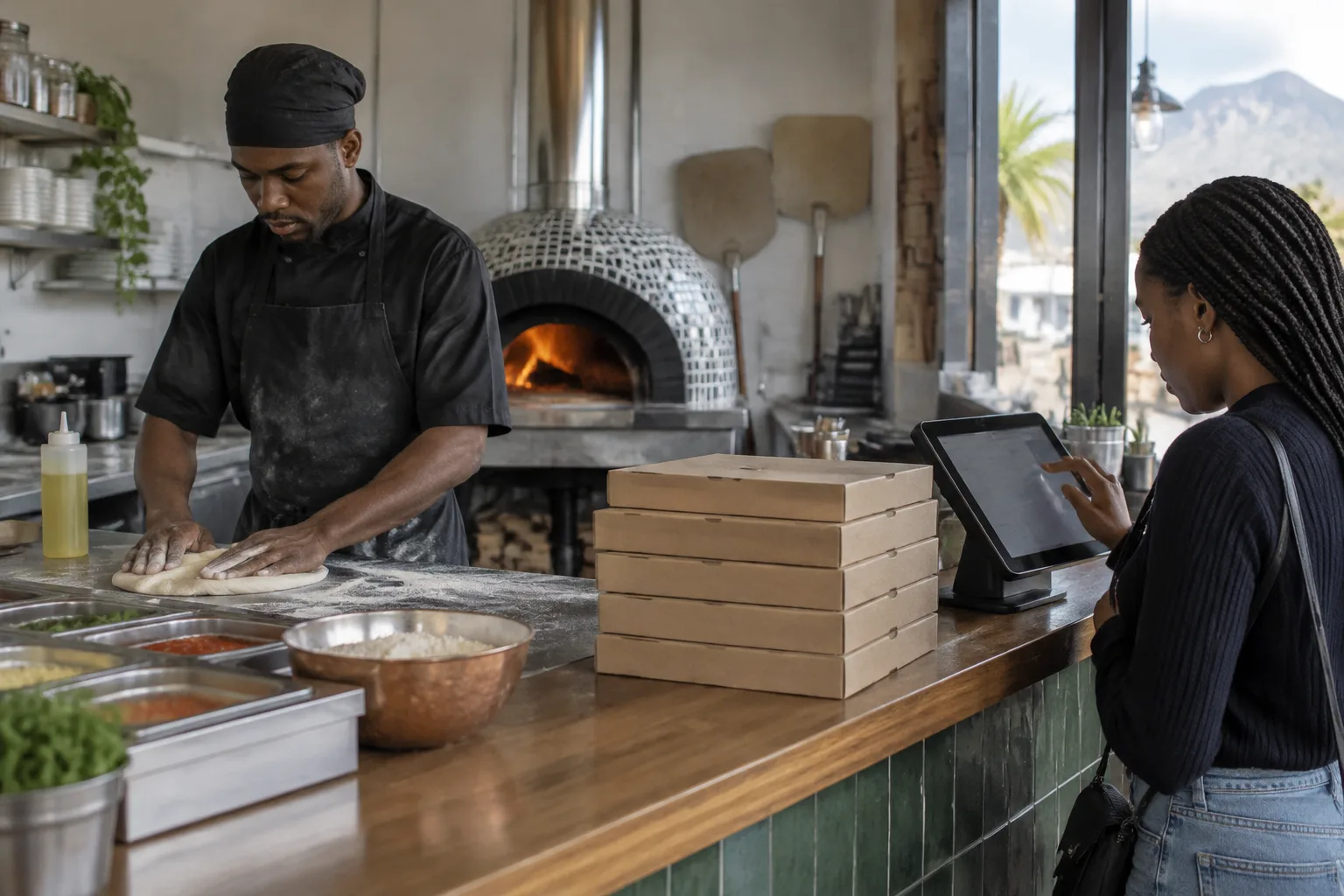
Col’Cacchio is adapting its restaurant model through smaller Go outlets built around collection and delivery, with reported capital expenditure substantially below that of its traditional restaurants. For South Africa’s franchising community, the development offers a concrete example of how changing the store format can lower the upfront investment required without abandoning the preparation methods behind the food.
A lower capital requirement
Daily Maverick reported on 7 November 2026 that the Col’Cacchio Go model reduces capital expenditure requirements from about R6 million–R8 million to R2 million–R2.5 million per outlet.
That is a significant change in the investment profile of a branded food business. Rather than simply offering a smaller version of a conventional restaurant, the Go format changes how customers order and receive their meals, with click-to-collect and delivery central to its design.
The figures are described as capital expenditure requirements. Prospective franchisees should therefore avoid treating them as a confirmed all-inclusive budget for opening and operating a business. Establishing what a particular investment quotation covers remains a separate part of assessing an opportunity.
The key development is the size of the reported reduction: Col’Cacchio is using a different operating format to bring the initial capital requirement below the range associated with its traditional outlets.
Digital service, traditional preparation
The Go model retains traditional back-of-house, hand-crafted food preparation while converting front-of-house operations to digital counter service.
That distinction matters. The change is not presented as replacing the kitchen’s preparation methods with a different food production model. Instead, it reshapes the customer-facing side of the business around digital ordering, collection and delivery.
The report describes the outlets as small-format stores, supported by third-party delivery services, digital click-to-collect ordering and integration across multiple retail channels. Those features make the way orders enter and leave the store an important part of the format, rather than an addition to a predominantly sit-down restaurant.
For potential operators, this creates a different business proposition to evaluate. A familiar consumer brand does not remove the need to understand the specific format being offered. A collection- and delivery-centred outlet should be assessed on its own operating requirements, rather than assumed to function like a full-service restaurant with fewer tables.
A route into smaller markets
Daily Maverick identifies easier expansion into smaller regional markets as one of the benefits of the adaptation. It also links the format to the need to address substantial overhead pressures.
A lower reported capital requirement gives that expansion strategy a practical foundation. Markets that are being considered for a smaller outlet can be evaluated against a different investment level from that of a traditional restaurant.
However, the investment figures alone do not establish whether an individual location will be commercially viable. Prospective owners still need to examine local demand, the proposed premises and the economics of the ordering channels on which the outlet will depend.
The relevant distinction is between making expansion more accessible and guaranteeing successful expansion. The Go model changes the cost and service structure of the opportunity; it does not make location-specific scrutiny unnecessary.
What prospective franchisees should examine
For South Africa’s franchising community, the broader significance is the connection between store design and access to ownership. Col’Cacchio’s reported figures show how substantially the initial investment can change when a brand reworks its customer-facing operations while retaining its food preparation approach.
An applicant comparing formats should request a detailed capital expenditure breakdown, clarify any additional opening and working-capital needs, and examine how collection and delivery orders contribute to the proposed outlet’s finances. The comparison should cover the operating model as well as the opening price.
Digital ordering and third-party delivery also deserve explicit attention during due diligence because they are central to the Go proposition described in the report.
Practical takeaway: Treat the lower capital requirement as a reason to investigate the format, not as a substitute for a complete investment budget and a location-specific business assessment.