Starbucks Passes 6,000 APAC Stores After Singapore Start
Starbucks reports 6,022 Asia-Pacific coffeehouses, with smaller formats and investment in existing stores forming part of its growth plans.
Published
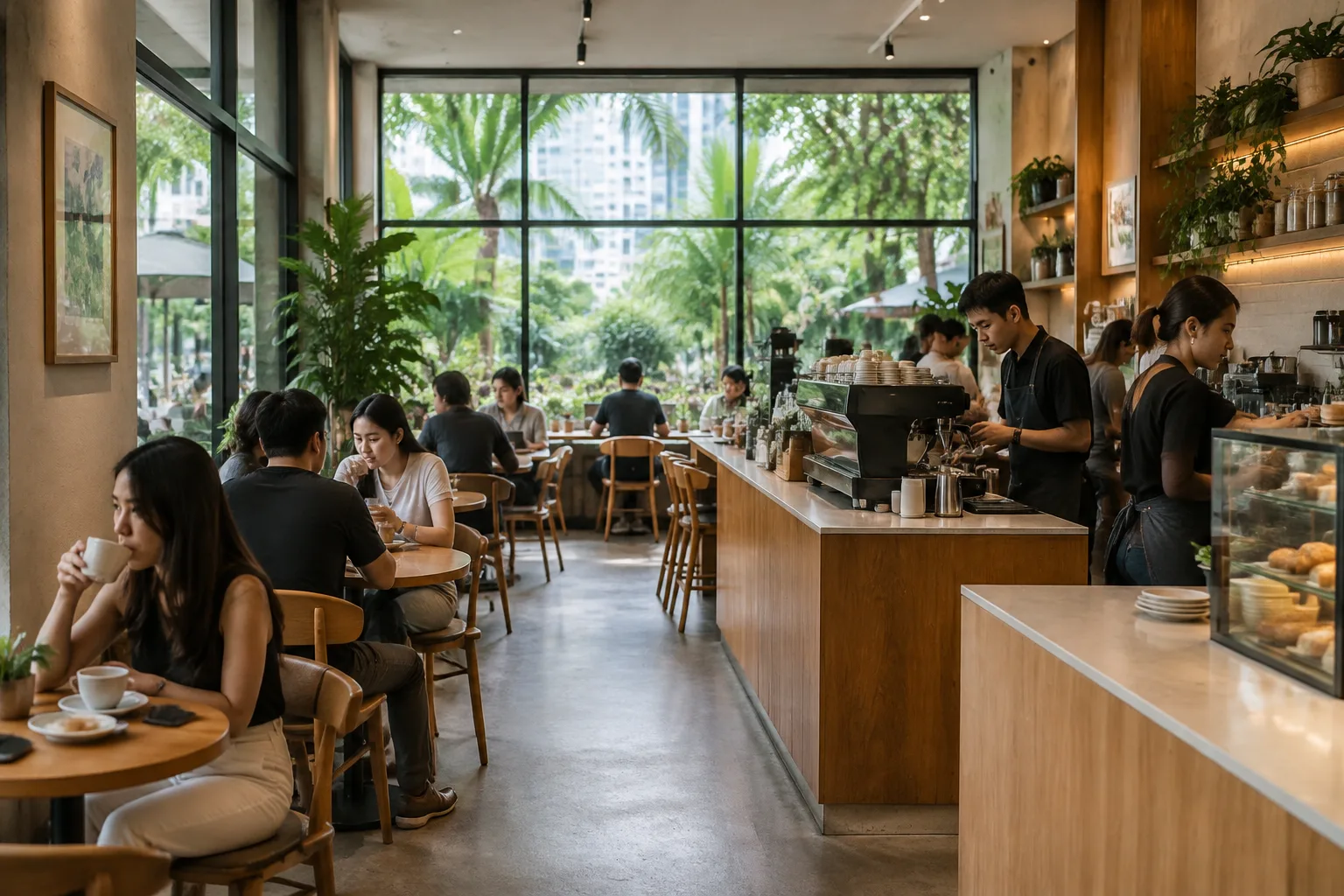
Starbucks has grown its Asia-Pacific network to 6,022 coffeehouses across 16 markets, nearly three decades after its regional start in Singapore. The milestone combines continued outlet expansion with plans for smaller, more flexible formats and further investment in existing coffeehouses — developments relevant to Singapore’s franchise community as it assesses regional brand growth.
Singapore origins, regional scale
According to a QSR Media report published on 12 November, Starbucks’ Asia-Pacific footprint increased from 5,303 coffeehouses three years ago to 6,022, a rise of 13%. The company added more than 700 locations over that period.
Starbucks dates its entry into Asia-Pacific to the opening of its first coffeehouse in Singapore in December 1996. Singapore therefore provides the starting point for the regional growth story, although the latest opening highlighted in the announcement is in Vietnam.
The figures describe the network across 16 markets, rather than expansion within Singapore alone. They should not be read as a new Singapore store target or a measure of local sales performance.
That distinction matters for operators following international brands. A regional outlet total shows the breadth of a network, but does not establish how individual markets or coffeehouses are performing. The announcement’s clearest measurable development is the increase in physical locations over three years.
Vietnam opening marks the milestone
The regional milestone coincides with the opening of Starbucks Ly Nam De, the brand’s first coffeehouse in Buon Ma Thuot, in Vietnam’s Central Highlands.
The coffeehouse incorporates locally sourced materials and artwork inspired by traditional weaving. Its architecture also draws on the region’s traditional Rong houses, which serve as communal gathering spaces.
These features make the opening more than a numerical marker in the announcement. They illustrate how Starbucks is presenting local design within its wider regional network, using materials, artwork and architectural references associated with the location.
For Singapore’s franchise community, the useful point is the distinction between a shared brand and a locally informed physical setting. The Buon Ma Thuot example demonstrates that approach through specific design choices. It does not, however, establish that the same design programme will be adopted in Singapore or across every Asia-Pacific market.
Nor should the opening be treated as a Singapore development: its direct significance is an additional Vietnamese city joining Starbucks’ regional footprint.
Licensing partners support the network
Starbucks says it now serves more than 2.8 million customers daily across Asia-Pacific. More than 62,000 employees, whom the company calls Green Apron partners, support the network alongside its licensing partners.
The presence of licensing partners is the direct connection to the wider franchise community. The regional business is supported not only by the consumer-facing brand and its employees, but also by partners involved in operating its network.
Licensing should nevertheless be described precisely. The announcement does not present the 6,022 coffeehouses as a count of franchised outlets, and the total should not be relabelled as such.
Similarly, regional customer numbers provide a sense of operating scale, rather than evidence of revenue or profitability for a particular licensee. Prospective partners assessing any brand would still need to distinguish network-wide reach from the economics and responsibilities attached to an individual agreement.
Smaller formats alongside existing-store investment
Starbucks said it will continue opening smaller and more flexible formats while also investing in existing coffeehouses as its regional network expands.
That sets out two parallel priorities: adding locations and supporting the established estate. It is not solely a statement about pursuing a larger store count.
The direction is relevant to operators considering how a brand’s premises requirements may evolve. However, the announcement does not specify the size, investment cost or Singapore rollout timetable for these formats. Smaller should not automatically be interpreted as cheaper or more profitable.
Practical takeaway: Singapore operators can use the milestone to track Starbucks’ regional direction, particularly its format plans and existing-store investment. Any partnership assessment should still rest on local operating requirements and agreement-specific economics, not regional scale alone.