Luckin Singapore Announces Long-Term Mental Health Partnership
Luckin’s partnership with IMH and Woodbridge Hospital Charity Fund puts community engagement alongside its Singapore operations.
Published
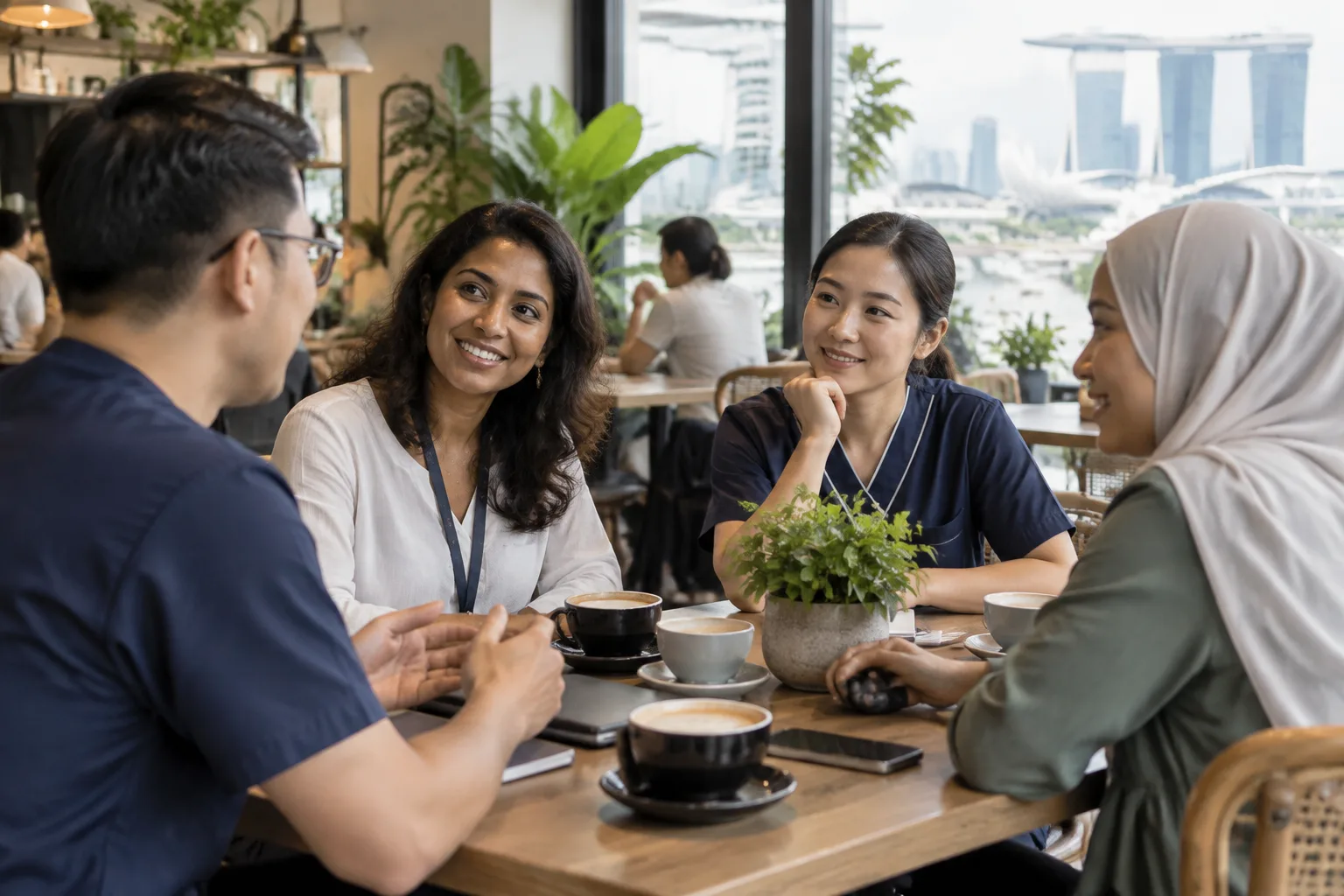
Luckin Coffee has announced a long-term partnership with Singapore’s Institute of Mental Health (IMH) and its affiliated Woodbridge Hospital Charity Fund (WHCF) to raise public awareness of mental health. For Singapore’s franchise community, the announcement offers a development to watch beyond store openings: how a growing consumer brand connects its local presence with a public-awareness purpose.
A partnership focused on public awareness
QSR Media Asia reported the partnership on 29 September 2026, alongside the opening of Luckin’s Bugis outlet. The stated aim is to raise public awareness of mental health, with IMH and WHCF named as the company’s partners.
The announcement describes the relationship as long-term. However, the supplied report does not specify its duration, funding commitments, individual campaigns or how results will be measured. It also does not set out whether activities will take place in stores, through digital channels or through separate public events.
Those distinctions matter when assessing the news. A partnership announcement establishes the participants and intended purpose; it does not, by itself, demonstrate an outcome. The available information supports reporting a commitment to awareness, rather than claims about the number of people reached or services funded.
For franchise brands considering similar relationships, the practical question is how a broad commitment will translate into clearly defined activity. In Luckin’s case, those implementation details remain outside the supplied report.
A local presence across everyday settings
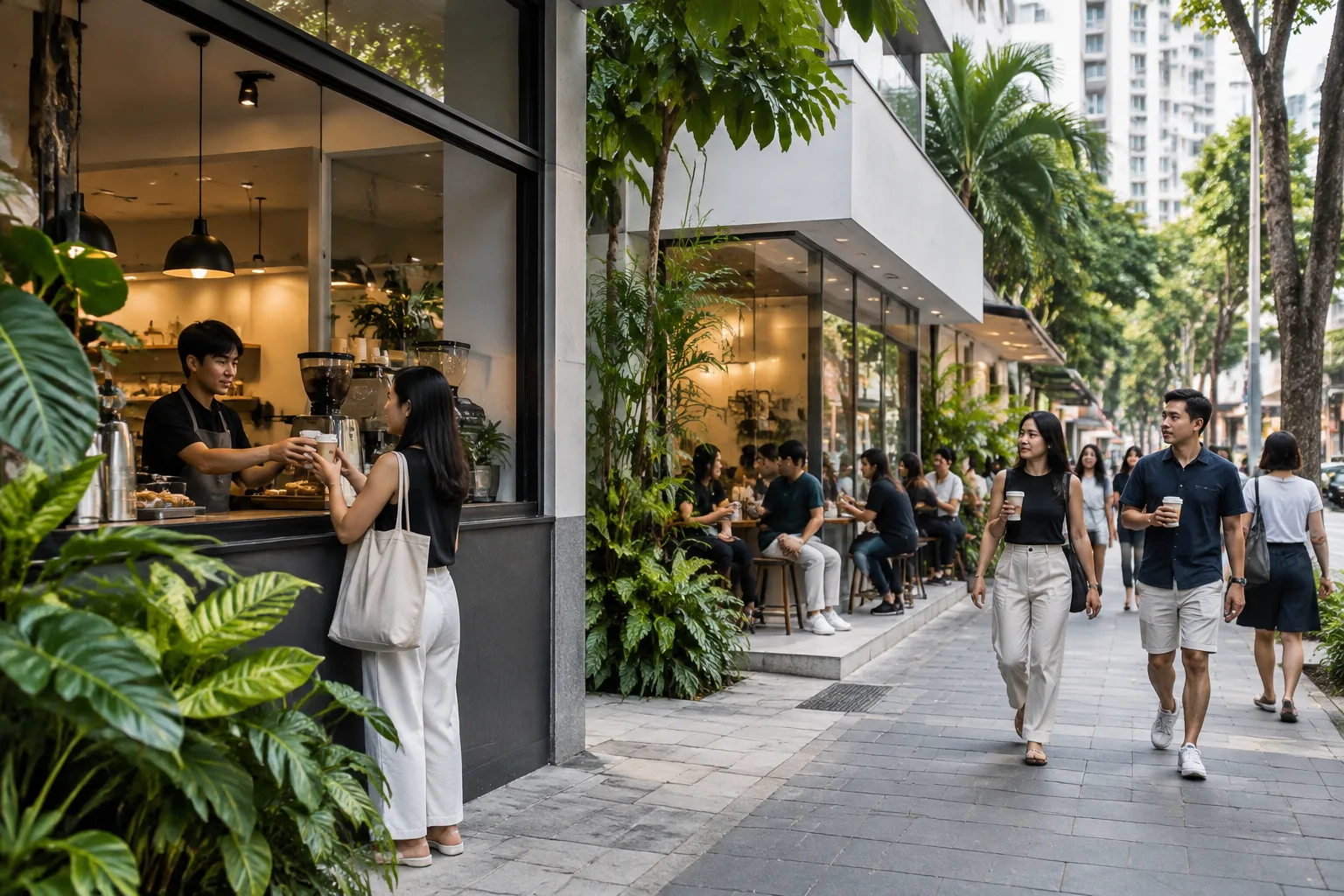
Luckin entered Singapore in 2023. According to the report, its local network now spans commercial areas, residential estates, transport hubs, hospitals and universities, while its Singapore operation employs more than 860 people.
That range of locations provides context for the partnership. The company has a presence in settings associated with work, study, travel and daily neighbourhood routines. However, the report does not say that all these locations will participate in mental health awareness activities, and their inclusion in the network should not be read as a confirmed campaign rollout.
The distinction is useful for Singapore’s franchise community. A brand’s physical reach and a partnership’s actual delivery are separate considerations. Operators evaluating a comparable commitment should establish which teams and locations would be involved, what support they would need and which responsibilities belong to the specialist partner.
The research does not identify Luckin’s Singapore outlets as franchise opportunities. Its relevance here is as a consumer-brand development that franchise operators can examine, not as an announcement of local franchise recruitment.
Local adaptation goes beyond the partnership
The mental health initiative sits alongside other reported efforts to adapt Luckin’s Singapore offering. Since entering the market, the company has introduced more than 130 products tailored to local tastes, including pandan, brown sugar and Milo-inspired drinks.
Its Coconut Latte and Little Butter Latte have each recorded more than two million cups in cumulative local sales, according to the report. Those are cumulative product figures, not annual sales or evidence of the partnership’s impact.
QSR Media Asia also reported that, since January 2026, all beverages on Luckin’s Singapore menu have received a Grade C or above. The research does not describe this as a new regulatory change, so it should be understood as a reported menu characteristic rather than a fresh compliance deadline for other operators.
Taken together, these details provide local operating context. Product development, beverage grades and a public-awareness partnership are different parts of the brand’s Singapore presence; the report does not establish a causal relationship between them.
Keep commitments and verified outcomes separate
The Bugis outlet adds another element to the announcement. It was constructed to LEED Gold certification standards, extending Luckin’s green and low-carbon initiatives to its Singapore operations, according to the report.
Construction to a certification standard is not the same as confirmation that certification has been awarded. The supplied research does not confirm an award, nor does it quantify energy savings, emissions reductions or other environmental results at the outlet.
That reporting discipline also applies to the mental health partnership: distinguish the stated intention from the activity delivered and the results subsequently demonstrated.
Practical takeaway: Singapore’s franchise community can watch the Luckin–IMH–WHCF partnership for concrete programme details. When planning a similar commitment, define responsibilities, delivery channels and measures of progress before making claims about its impact.