STRONG Pilates plans 21 studios in Saudi Arabia through franchising
STRONG Pilates has agreed with Healthpreneurs to develop 21 locations over ten years, with an initial launch planned in Jeddah and Riyadh before expansion through sub-franchising.
Published
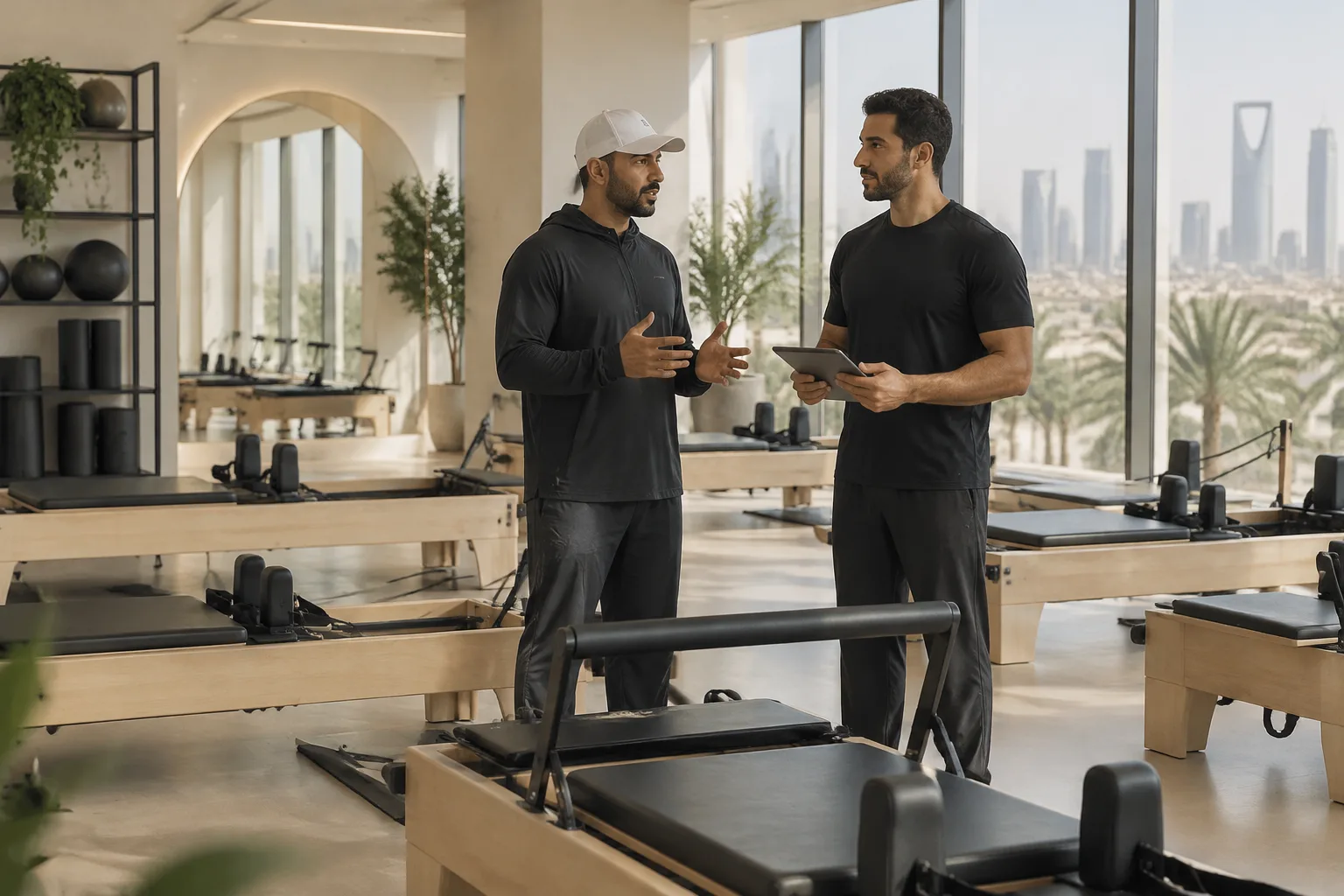
Australian brand STRONG Pilates has announced a master franchise agreement with Healthpreneurs to enter Saudi Arabia, with plans to develop 21 studios over ten years. According to the announcement published on 17 September 2026, the rollout will begin with company-owned studios, including three planned for Jeddah and Riyadh from 2026, before moving into sub-franchising. The move brings a specialist fitness concept to Saudi Arabia’s franchise sector.
A ten-year agreement and a local expansion partner
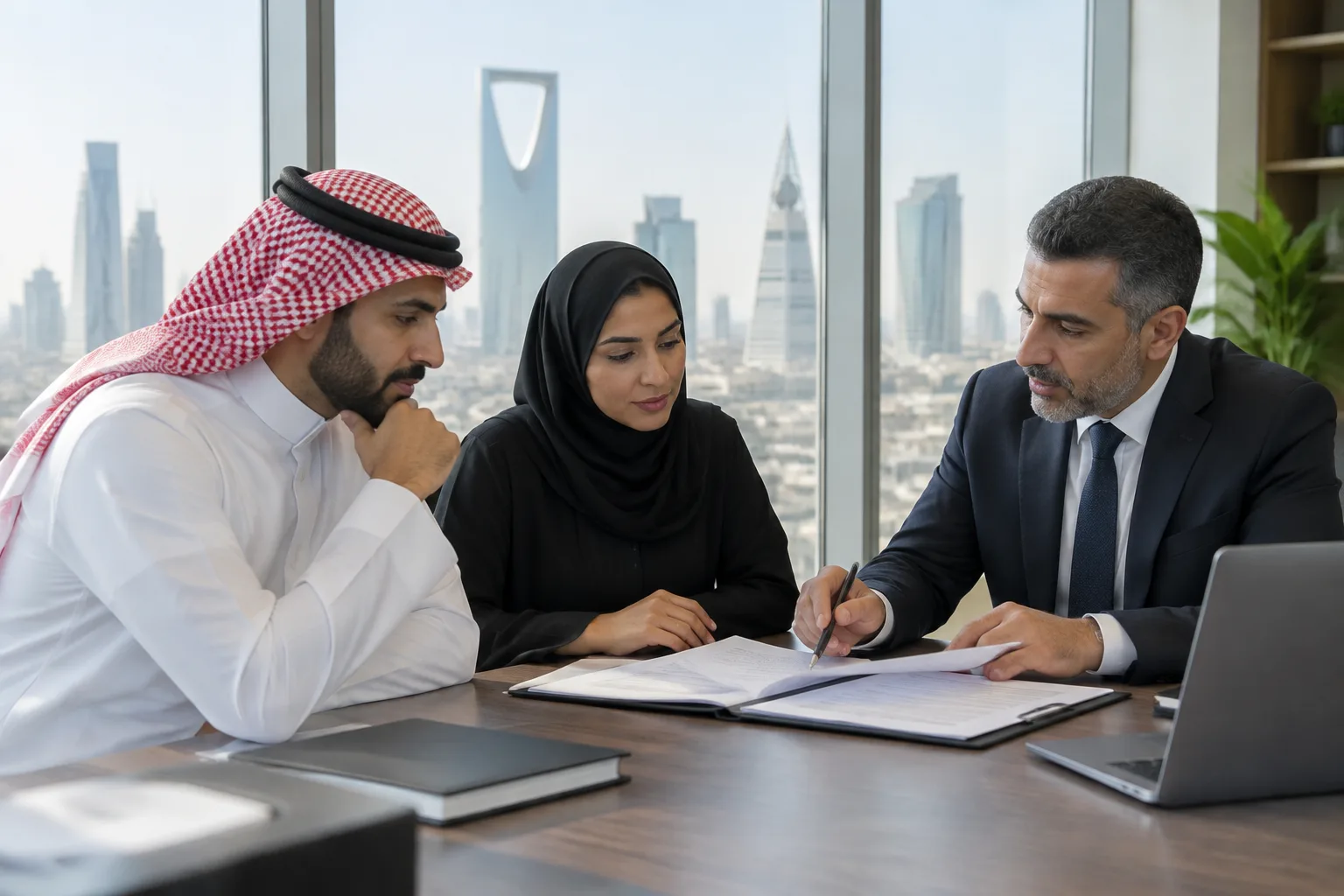
The agreement brings together STRONG Pilates, which was founded in Australia, and Healthpreneurs, its franchise operator in Saudi Arabia. Healthpreneurs is led by Turki Alnowaiser, who is also managing partner at Nakhla Ventures, according to the statement published through Business Wire and available on Yahoo Finance. The announcement sets out a commitment to develop 21 locations over ten years, making this a phased expansion plan rather than an announcement that all sites will open at once.
STRONG Pilates offers a concept combining Pilates, cardio and strength training. According to the brand’s announcement, this combination is the defining feature of the experience it intends to introduce. Details of studio sizes, equipment, pricing and membership options in Saudi Arabia were not included in the available source material, so they cannot be inferred from the target number of locations or the length of the agreement.
The announcement described the partnership as part of the brand’s international growth strategy and efforts to strengthen its presence in the Middle East. Coverage published on 18 September identified Saudi Arabia as the target market for the 21 locations. The immediate focus is therefore on establishing the Saudi network, although the statement also refers to the partner’s role in subsequent regional expansion.
Jeddah and Riyadh lead the rollout
The expansion plan begins with five company-owned studios, including three scheduled to launch in Jeddah and Riyadh from 2026. The announcement does not specify how those three studios will be split between the two cities, nor does it provide addresses or individual opening dates. It is important to distinguish the announced start of the rollout from confirmation that sites have opened and are welcoming members.
This sequence means the initial phase will not involve handing all locations directly to independent investors. Instead, it will begin with company-owned operations, followed by sub-franchising. For anyone considering joining the network, this is an important distinction: a master franchise agreement does not necessarily mean that sub-franchise applications are already open or that specific locations are currently available for investment.
Actual studio openings will be the first observable sign of progress. The next milestones to watch will be the completion of the first five studios and the move into awarding sub-franchises. These follow from the announced sequence; they are not an additional timetable supplied by the company or commitments to dates that have not been published.
What does the deal bring to the franchise sector?
The deal illustrates a franchise model that pairs a brand offering a clearly defined training concept with a local partner responsible for developing a network over the long term. What stands out is not simply the number of locations, but the combination of a stated agreement term, an initial company-owned rollout and a subsequent route into sub-franchising. Together, these elements offer a clearer picture of how the expansion is intended to work, beyond the headline of a new brand entering Saudi Arabia.
Coverage published on 18 September also linked the expansion to health initiatives under Saudi Vision 2030. However, the available material does not include any announcement of government funding or financial support specifically allocated to the agreement. This link should therefore be understood as context for the expansion of fitness services, not as evidence of a government partnership for the project.
For investors, the specialist nature of the offering means assessing the opportunity requires more than evaluating the brand name alone. Practical questions for further investigation include: how will the training experience be managed locally? What staff training and qualification requirements will apply? And how will the network maintain service standards as it moves from company-owned studios to sub-franchised locations? These are due diligence questions; the announcement does not provide detailed answers.
What will investors need to know next?
The available material does not disclose the investment required per studio, franchise fees, financial eligibility requirements for investors or expected returns. Nor does it specify when sub-franchising will open. The 21-location plan alone is therefore insufficient to assess the viability of an individual opportunity and should not be used to estimate sales or profitability.
The practical next step for interested investors is to monitor announcements from Healthpreneurs and STRONG Pilates about openings and the launch of the sub-franchise programme, then request information on operations, costs and support when it becomes available. Bottom line: the agreement sets out the direction and duration of the expansion, with an initial launch in Jeddah and Riyadh. An investment decision, however, requires location-specific details and a financial model, not just a target network size.
Sources
- Franchises boosting Saudi economy, as Kingdom dominates half of MENA’s $30bn market
- مجلة الفرنشايز تلتقي جون هادن الرئيس التنفيذي للشايع ...
- اختتام فعاليات معرض فرص الامتياز - Franchising.sa
- STRONG Pilates Signs Saudi Arabia Franchise Deal
- PAUL تفتتح فرعًا جديدًا في ويستفليد جدة
- «شارك» تستحوذ على 7فروع من جافا تايم - Franchising.sa
- STRONG Pilates Strengthens Middle East Presence With ...