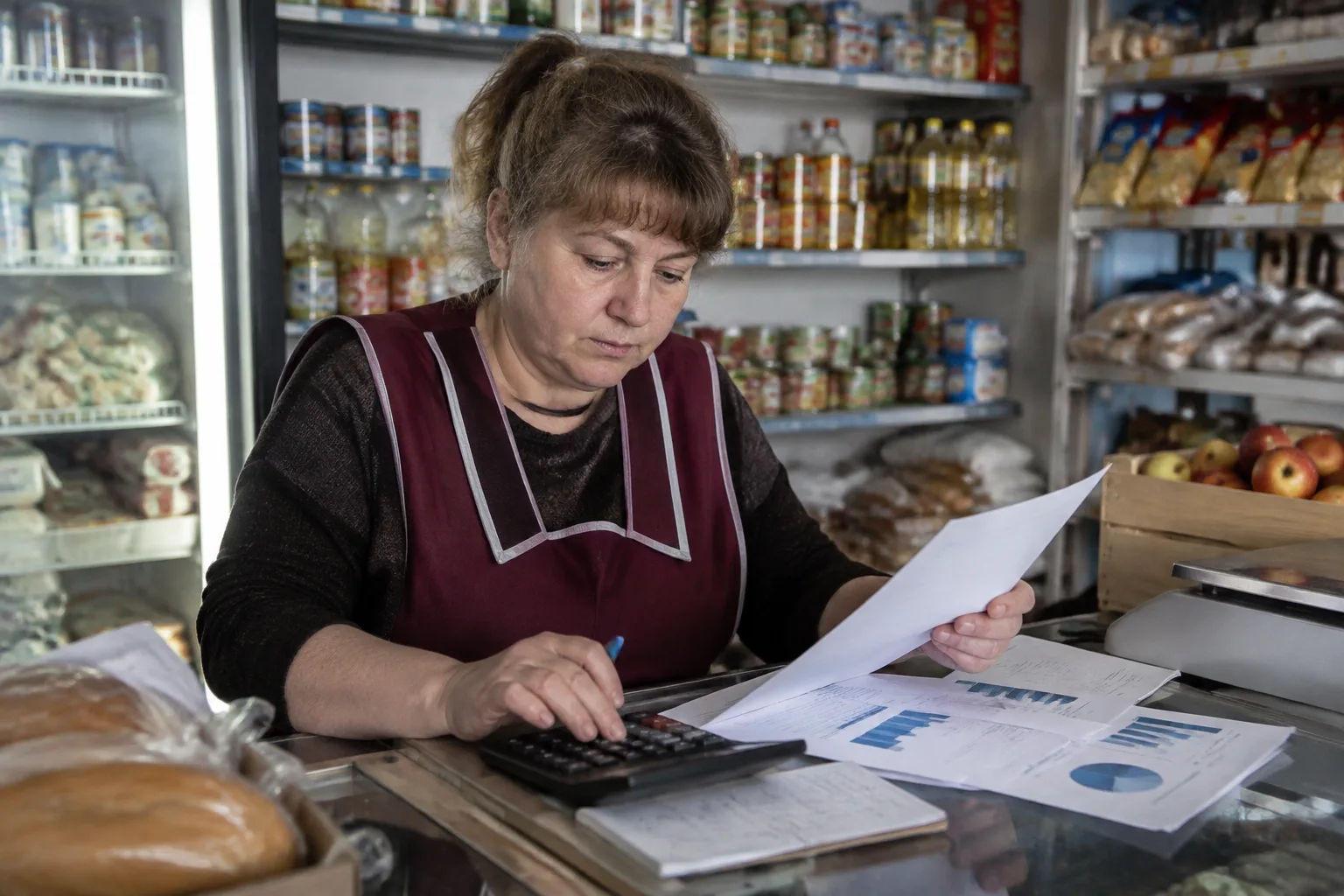
Pyaterochka opens its first store with a manager as the franchisee’s partner
The first store under the new scheme has opened in Russia’s Belgorod region: the manager runs the store, receives a share of its income and has the option to invest in the business.
Published

Pyaterochka has opened its first franchised store under its ‘Store Manager as Franchisee Partner’ scheme in the village of Streletskoye, in Russia’s Belgorod region. The chain announced the opening on 22 October 2026. The model combines an entrepreneur’s investment with the management experience of a store manager, who becomes their operating partner. For Russia’s franchise sector, it is an example of an arrangement in which a store manager is offered not just responsibility for running the outlet, but also a share of the income it generates.
The first store under the new scheme
The store is five kilometres from Belgorod, at 7B, 1st Oktyabrsky Lane, Streletskoye. It covers approximately 490 square metres and is the first outlet to open under Pyaterochka’s new partnership scheme.
The investor is Maxim Khlynin, an existing franchisee from the Kursk region. According to the company, he currently operates three stores: two in the Belgorod region and one in the Kursk region. The scheme’s first project has therefore been launched with an entrepreneur who already works with the brand, rather than an investor new to the chain.
This detail matters when assessing the launch. In this case, an existing partner with several outlets is adopting the new arrangement with a store manager. However, the opening marks only the start of the scheme. A single outlet is not enough to judge how the model might affect store performance or the pace of franchise network expansion.
How the manager’s role changes
Under the scheme, the manager becomes the franchisee’s operating partner and is responsible for running the store. According to Pyaterochka’s announcement, the manager will receive a share of the income generated by the outlet. They will also have the option to contribute up to 10% of the project’s total investment.
It is important to distinguish between these two provisions. Income sharing is described as part of the new role, whereas investing personal funds is optional. ‘Up to 10%’ sets an upper limit on that contribution, rather than a compulsory amount for every manager. Nor does it mean that the manager of the Streletskoye store invested that amount.
This figure should not be confused with the manager’s share of income: the two are separate. The potential investment amount does not, in itself, explain how the store’s income is to be shared. An entrepreneur considering this kind of arrangement would need to discuss these terms separately and set them out in an agreement with the operating partner.
The chain intends the scheme to give employees a route from salaried management into entrepreneurship. The manager nevertheless remains directly involved in the store’s day-to-day operations: the new role centres on running a specific outlet, rather than simply holding a financial interest in the project.
Why the model may appeal to existing franchisees
Pyaterochka presents the new scheme as a way for franchisees to expand their businesses and attract experienced managers. The investor provides the project’s financial backing, while the manager brings store management experience and takes responsibility for operations. This combination is the basis of the announced format.
For an entrepreneur with several stores, the scheme offers a way to structure the relationship with the manager of an individual outlet. The manager gains a financial interest in the store’s income and, if they invest their own funds, also contributes financially to the launch. This describes how the scheme works, but does not yet establish its advantages over other management arrangements.
The opportunities outlined by the chain should be distinguished from results already achieved. The opening confirms that the model is now being used in practice. However, conclusions about higher profitability, a shorter payback period or a reduced workload for the owner will require evidence from the store’s subsequent operations. Giving a manager partner status does not, on its own, guarantee those outcomes.
Which terms should be discussed in advance?
For those in the franchise sector, the news is particularly relevant because of the way responsibilities are divided within the business. Alongside the relationship between the chain and the franchisee, the scheme introduces a partnership between the entrepreneur and the person directly managing the outlet. Assessing this model therefore means looking beyond the terms for opening a store to examine how that partnership is structured.
Before making a decision, it would be sensible to clarify exactly what counts as income when calculating the manager’s remuneration, how often payments are made and which performance measures affect the amount paid. If the manager invests personal funds, the arrangements for making that investment and the terms for ending their participation in the project should be agreed separately.
It is equally important to agree on management authority in advance: which decisions the manager can make independently and which require the franchisee’s approval. These are practical questions to consider when assessing the partnership, not a description of Pyaterochka’s published scheme terms.
Practical takeaway: the new store in Streletskoye illustrates the manager’s transition to the role of a franchisee’s operating partner. Entrepreneurs interested in this format should focus first on three elements of the agreement: responsibility for store operations, the income-sharing formula and the terms of any optional investment.