Franchising in the Philippines: The Right to Relocate
Before buying a franchise, find out whether you can relocate, how to obtain permission and who will cover the costs.
Published
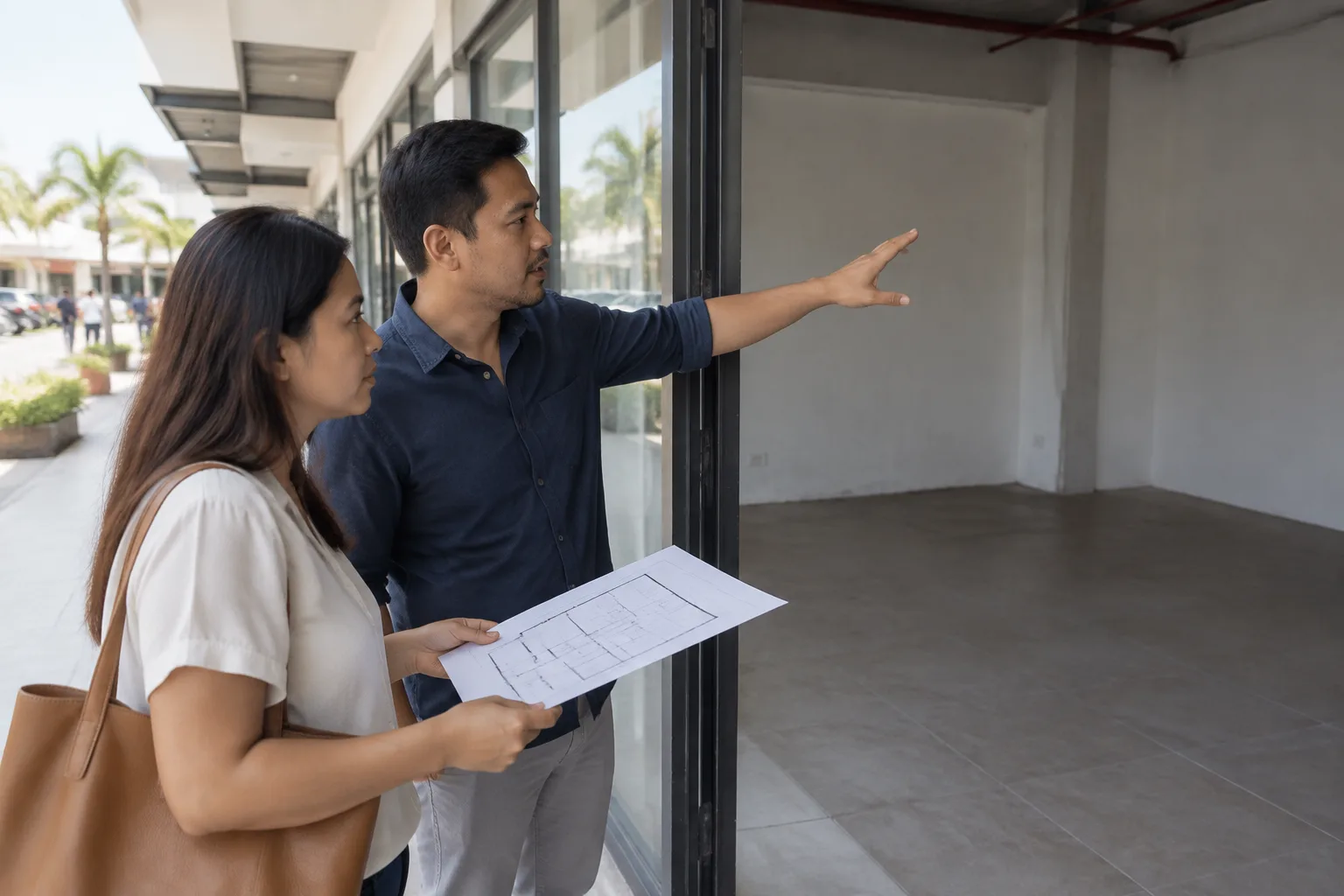
A site that works well today may no longer be suitable a few years from now. Customer footfall may change, prolonged construction work may disrupt trade, or an established access route may disappear. Before investing in a franchise, check whether you have a clear route to relocating the business. A promise to help you find new premises is not enough: approval requirements, criteria, costs and the effect on the remaining contract term must all be clear.
1. Check whether the franchise is tied to a specific address
Look for the exact description of the approved location in the contract. Permission may be tied to a particular building, unit number or defined area. Do not assume that approval to operate in a city allows you to move anywhere within it.
Distinguish between two things: the right to propose a new location and the right to relocate the business. You may be allowed to submit a proposal but unable to open until you have the franchisor’s written approval.
Ask before signing:
- What circumstances may justify relocation?
- Can the franchisor refuse even if the new premises meet its usual criteria?
- Will the move be covered by the existing agreement, or will you need a new franchise?
- Are any locations off limits because of other franchisees’ rights?
If the contract says nothing about relocation, do not treat that silence as permission. Ask for a clear provision before committing substantial capital.
2. Understand the law and the limits of your rights
The Philippines has no single comprehensive law covering every aspect of franchising. That does not mean, however, that there are no specific regulations. Executive Order No. 169, series of 2022, sets out protections for the small businesses within its scope, including minimum agreement terms and the registration of agreements with the Department of Trade and Industry.
The Civil Code is also important, particularly Article 1306: the parties may set contractual terms provided these do not conflict with the law, morals, good customs, public order or public policy. The Intellectual Property Code, including rules on licensing and technology transfer, may also apply, depending on the agreement’s contents.
These provisions should not be read as automatic permission to relocate an outlet. Your practical right to move must be assessed against the contract itself and the laws that apply to it. Have a lawyer review any clause giving the franchisor absolute discretion to refuse without clear criteria, particularly if you will bear all the costs.
3. Agree a clear approval process
A promise that “we will discuss it when the need arises” is of little use when you have found new premises but the opportunity to secure them is about to expire.
Ask for a written process specifying the documents required: photographs, a site layout, cost estimates, lease terms and an assessment of potential customers. It should also be clear who will inspect the premises and whether an assessment fee applies.
Propose that the agreement specify:
- A response timeframe once all required documents have been received.
- Criteria for size, visibility, access and site suitability.
- Written reasons if the proposal is rejected.
- An opportunity to propose an alternative site or address any shortcomings.
Do not treat a lack of response as approval unless this has been clearly and validly agreed. Wherever possible, avoid making binding commitments for the new premises before obtaining the necessary permission.
Also ask whether a simplified process applies if you are moving only a few doors away. Even a short move may still require a formal amendment to the agreement.
4. Calculate the relocation costs and the remaining term
Prepare a separate relocation budget that covers more than the new rent. Include dismantling and transporting equipment, design changes, utility connections, permits, inspections and lost income while the business moves.
Request a written schedule of any fees payable to the franchisor. Clarify whether there will be a new initial fee, an approval fee or a requirement to replace equipment that still works. These costs should be identified before you choose a new location.
Most importantly, find out whether the original contract expiry date will remain unchanged. Relocation may be expensive, yet leave you little time to recoup the investment. Do not assume that opening at a new location will automatically extend the agreement.
Run your own financial projections for two scenarios: the move is approved, or it is refused. If the risk is unacceptable in either case, negotiate before proceeding.
Practical summary: Before buying, make sure the route to relocation is set out in writing: when it is permitted, how it is approved, what fees may be charged and how long you will be able to operate at the new premises.
Sources
- Philippines: Franchise & Licensing
- Franchise Association Pilipinas | Direktoryo ng Franchise | QFA
- Fortun Narvasa & Salazar - Mga legal na serbisyo sa Makati City, Pilipinas
- Casiding and Associates Law Office - Mga legal na serbisyo sa Makati City, Pilipinas
- Arceo Balmoja & Irasusta Law Firm - Mga legal na serbisyo sa Bulacan, Pilipinas
- balayhub.com › blog › buying-land-lots-philippines-guideBuying Land in the Philippines: Titled Lots, Tax Declarations &...
- EsP 9 Module: Natural Moral Law - studylib.net
- forum-nov-dec2004