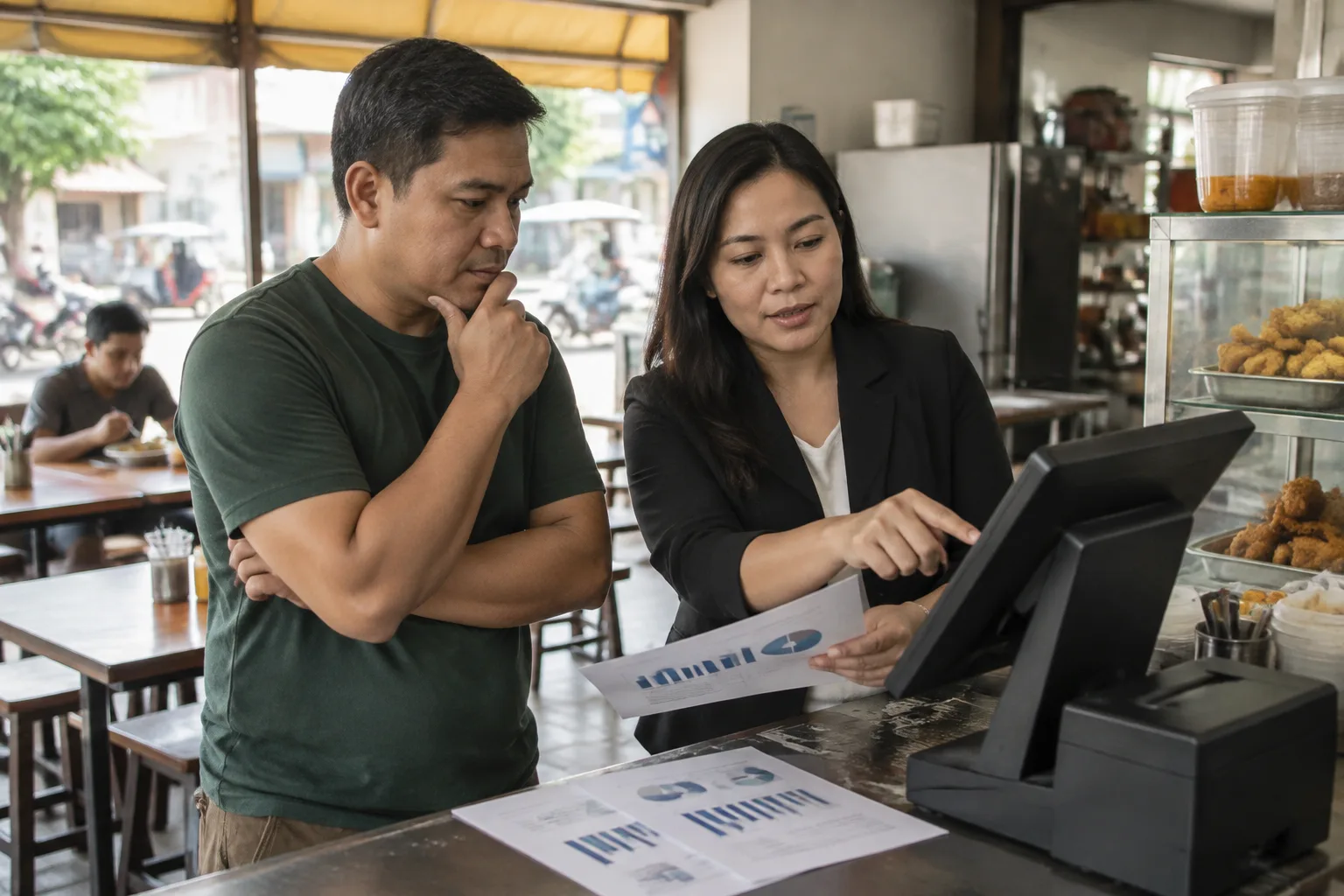
Franchising in the Philippines: Assessing Instalment Payment Offers
Do franchise instalment plans really make payments more manageable? Check interest, additional charges and the consequences of late payment before signing.
Published

A franchise may be more affordable initially if you can pay the upfront fee in instalments. But a low initial payment does not necessarily mean a low-cost deal. In the Philippine franchise market, it is important to distinguish the price of the right to operate the business from the cost of borrowing. Before choosing a brand because it offers instalment payments, check who is providing the credit, how much you will pay in total and what happens if a payment is late.
1. Establish whether this is a payment plan or a separate loan
Ask for a written explanation of the arrangement. The franchisor may itself agree to defer part of the payment. Alternatively, a bank or separate company may provide a loan while the franchisor receives the full price upfront. These arrangements involve different creditors and documents to review.
Ask the following questions:
- Who will receive each instalment and issue proof of payment?
- What is being paid for in instalments: the franchise rights, equipment or a combined package?
- Is there a separate loan agreement in addition to the franchise agreement?
- When do payments begin: on signing, delivery of equipment or opening?
- If the business does not open, will the debt remain payable?
Make sure the parties’ names, amounts and dates match across all documents. If there is a separate lender, do not assume that instalments will automatically stop if a problem arises with the franchisor. Your loan obligations may continue even if you have a separate complaint about the business.
2. Compare the total cost, not just the monthly instalment
Request two written quotations for the same package: one for payment in full and one for payment by instalments. It should be clear whether both include the same equipment, services and other items. If the contents differ, comparing the total prices alone is not enough.
Draw up a schedule listing the initial payment, every instalment, interest, processing fees, compulsory insurance and any large final payment. Distinguish taxes and charges already included in the price from those that will be added. Ask an accountant to check how interest is calculated: is it based on the original amount or the outstanding balance?
A simple initial comparison is: all compulsory payments under the instalment plan, minus the equivalent price for payment in full. This shows the additional cost of deferring payment, although it does not replace a proper calculation of the annual cost of borrowing.
Treat “interest-free” offers with care. There may be processing fees, or you may lose a discount available for payment in full. This does not automatically indicate a breach of the law, but it should be factored into your comparison. Also check whether paying off the balance early reduces the cost or incurs a charge.
3. Understand the law on interest and contracts
The Philippines has no single comprehensive law covering every aspect of franchising. Important parts of the legal framework include the Civil Code, the Intellectual Property Code and Executive Order No. 169, series of 2022, which aims to strengthen protection for micro, small and medium-sized enterprises in the franchise sector.
For instalment offers, Article 1956 of the Civil Code is important: no interest is payable unless it has been expressly agreed in writing. An agent’s verbal explanation of interest is therefore not enough; the agreement and the method of calculation should be clear.
However, do not assume that you have no liability for late payment simply because ordinary interest has not been agreed in writing. Interest payable as damages for delay is a separate matter to discuss with a lawyer.
There is also no generally prescribed range or cap for franchise fees, royalties and service fees. This does not mean that any interest charge or penalty is automatically enforceable. A separate loan may also be subject to lending and disclosure rules, depending on the lender and the transaction.
4. Check the consequences of a late instalment
Look for provisions covering a grace period, written notice and an opportunity to remedy a missed payment. Find out whether a single missed instalment makes the entire outstanding balance immediately payable. Also check whether it could affect your right to operate the franchise even if you are meeting your other obligations.
Ask for the following to be clearly stated:
- Payment due dates and methods;
- The order in which payments are allocated to principal, interest and penalties;
- The procedure for disputing an incorrect charge;
- The policy where opening is delayed through no fault of your own;
- The document that will confirm the obligation has been paid in full.
Before signing, ask a lawyer to review the franchise agreement and loan agreement together. Have an accountant check the payment schedule and total cost.
Practical takeaway: Choose an instalment offer only when the full cost is clear, the interest and conditions are in writing, and you understand the consequences of late payment. An easy initial payment should not become a difficult long-term obligation.
Sources
- Komprehensibong Manual Tungkol sa Philippine Taxation
- AP WK6
- ang 1987 konstitusyon ng republika ng pilipinas panimula
- Franchising 2025 - Global Practice Guides - Chambers
- ESP6-Q3 - Modyul 6: Mga Batas Pambansa at Pandaigdigan
- 50-year cap applies to individual franchise granted, not ...
- Philippines: Franchise & Licensing
- Ekonomiks_LM_Yunit_1.rtf