Assessing the location for your first franchise outlet
A successful business does not prove that every location will work. Here is how to assess the potential of a new location with your first franchisee.
Published
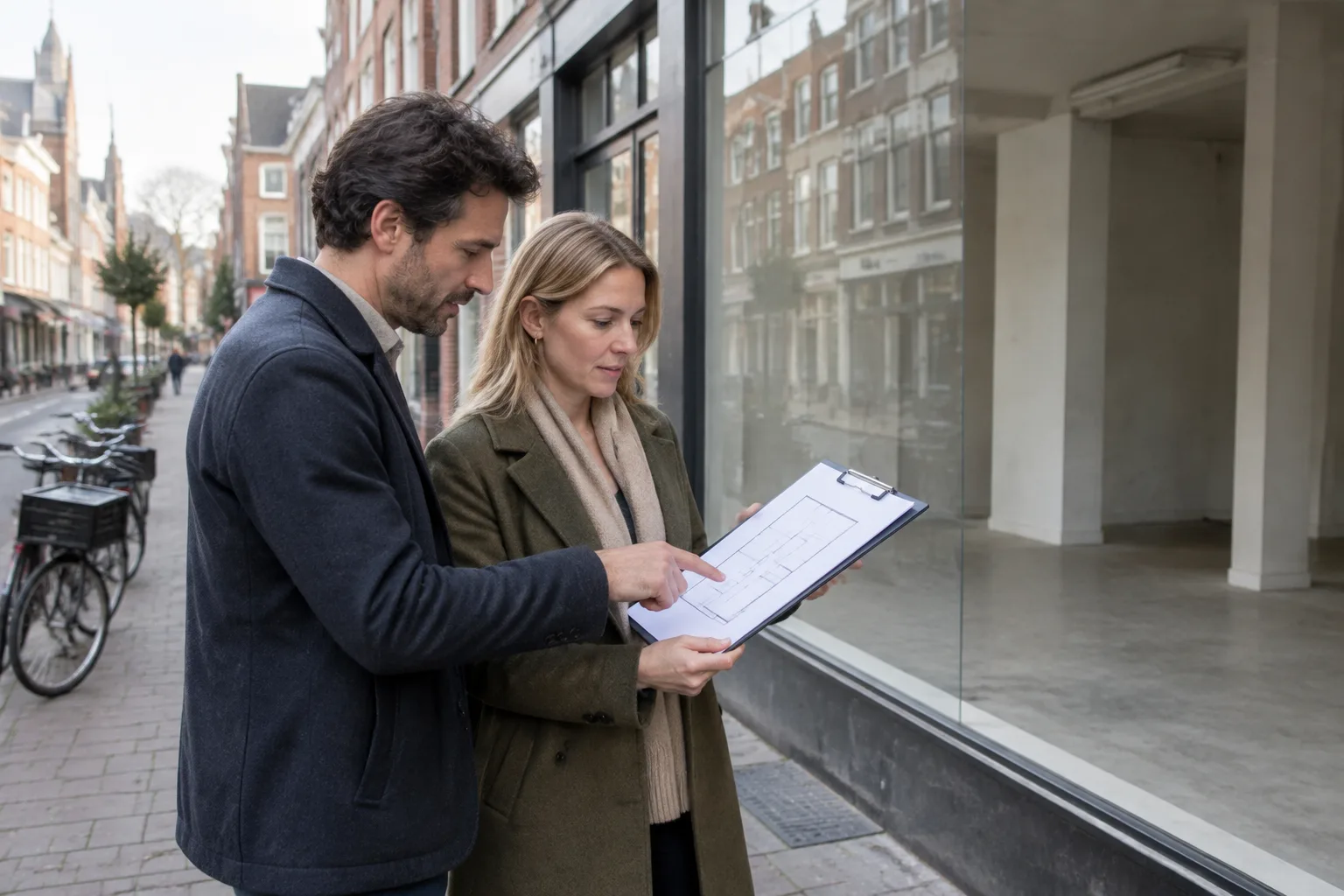
Your existing business is doing well, and a prospective franchisee wants to open your concept in another town. But will that success automatically follow? A location feasibility study helps you assess local demand, accessibility and costs before either of you makes a commitment. It also lays a solid foundation for a franchise network in which business owners can justify their decisions rather than relying on enthusiasm alone.
1. Investigate why your current location works
Start not with the premises available, but with the conditions that help your concept attract customers. A busy high street is not necessarily suitable for a business that mainly operates by appointment. Affordable premises may prove a poor choice if customers struggle to park nearby.
First, describe the features of your existing outlet that are likely to contribute to its performance. Consider nearby homes and employers, visibility, public transport, delivery options and the presence of businesses that attract the same target customers.
Distinguish between three types of information:
- Established facts: for example, customer postcodes, visiting times and the split between collection and on-site visits.
- Explanations you still need to test: for example, the assumption that many customers come because the station is just around the corner.
- Advantages specific to you: your own network, local profile or long-standing customer relationships.
That last category deserves particular attention. A new franchisee gains access to your business concept, but does not automatically inherit your personal reputation. Use your existing business’s performance as a starting point for questions, not as proof that another town will generate the same turnover.
2. Make location selection an evidence-based exercise
A location feasibility study, often abbreviated to VPO in Dutch, maps out the commercial potential of a proposed location. Among other things, it can help estimate potential turnover. Agree in advance which questions the study should answer and who will gather which information.
Assess at least the following points:
- Target customers: do enough people who fit your offering live, work or spend time in the area?
- Buying behaviour: when and why would they visit this outlet?
- Competition: what alternatives are available, including online providers and other ways of meeting the same customer need?
- Accessibility: is the location practical for customers, staff and suppliers to use?
- Premises and surroundings: do the layout, visibility and permitted uses suit the franchise concept?
Combine available data with observations on site. Visit the area on different relevant days and at different times. A busy Saturday tells you little about a concept that needs to earn most of its turnover during the working week.
Also check whether the intended use complies with the municipal environment plan (omgevingsplan) and which permits may be required. Distinguish between commercial suitability and legal feasibility: an attractive location is not necessarily one where your business is permitted to operate.
3. Set out roles and legal responsibilities
The Dutch Franchise Act (Wet franchise) has been in force in the Netherlands since 1 January 2021. The franchise rules are set out in Book 7 of the Dutch Civil Code. Among other things, they require franchisors to provide relevant information before the agreement is signed. This includes available financial data relating to the proposed location or, subject to the statutory conditions, data on businesses considered comparable, with an explanation of that comparability.
A separate location feasibility study is not required by law. Nor is there a general statutory obligation to provide a turnover forecast. Even so, any figures and expectations shared must be carefully substantiated. The prospective franchisee also has a duty to investigate: within reasonable limits, they must take steps to avoid forming a mistaken understanding of the situation.
You should therefore agree the following in writing beforehand:
- who will commission the study;
- what expertise is needed;
- who will bear the costs;
- what information you and the prospective franchisee will provide;
- who will independently assess the findings.
Ensure that any payment obligations comply with the statutory pre-contractual rules. During the statutory period of at least four weeks, you as the franchisor must not require payments or investments in connection with the franchise agreement. Have any arrangements concerning the cost of the study checked by a legal adviser.
4. Base your decision on uncertainties, not just turnover
Have the findings translated into different scenarios. What happens if customer numbers grow more slowly, average spending is lower or extra staff turn out to be needed? Alongside premises costs, include local marketing, staffing and working capital.
Then decide together which uncertainties still need to be resolved. A missing permit calls for a different next step from doubts about local demand. For each issue, record what information is needed, who will gather it and when you will decide whether to proceed, make changes or rule out the location.
Keep the report, underlying data, assumptions and explanations together. Give the prospective franchisee sufficient scope to consult their own financial or legal adviser. A shared conclusion is stronger when both parties understand the basis for it.
Practical takeaway: approve a new location only when it is clear why your franchise concept could work there, which assumptions remain uncertain and who can bear the associated risk.
Sources
- Starting as a franchise entrepreneur - Business.gov.nl
- Franchisenemer worden
- Franchisecontract opstellen
- Waarom slimme ondernemers het wiel niet meer zelf uitvinden
- Van je bedrijf een franchiseformule maken? Let hierop - KVK
- Wat moet ik weten voor ik als franchise-ondernemer start?
- Franchise starten? Alles draait om kwaliteit en vastleggen.
- Een Franchisebedrijf Opzetten: Jouw Gids naar Zelfstandig Ondernemen met Bewezen Succes