Lederland seeks solution for orders following Sedere bankruptcy
Following the bankruptcy of former franchisee Sedere, a proposal has been put forward to fulfil seven deliveries. Lederland says its current stores are separate from the bankrupt business.
Published
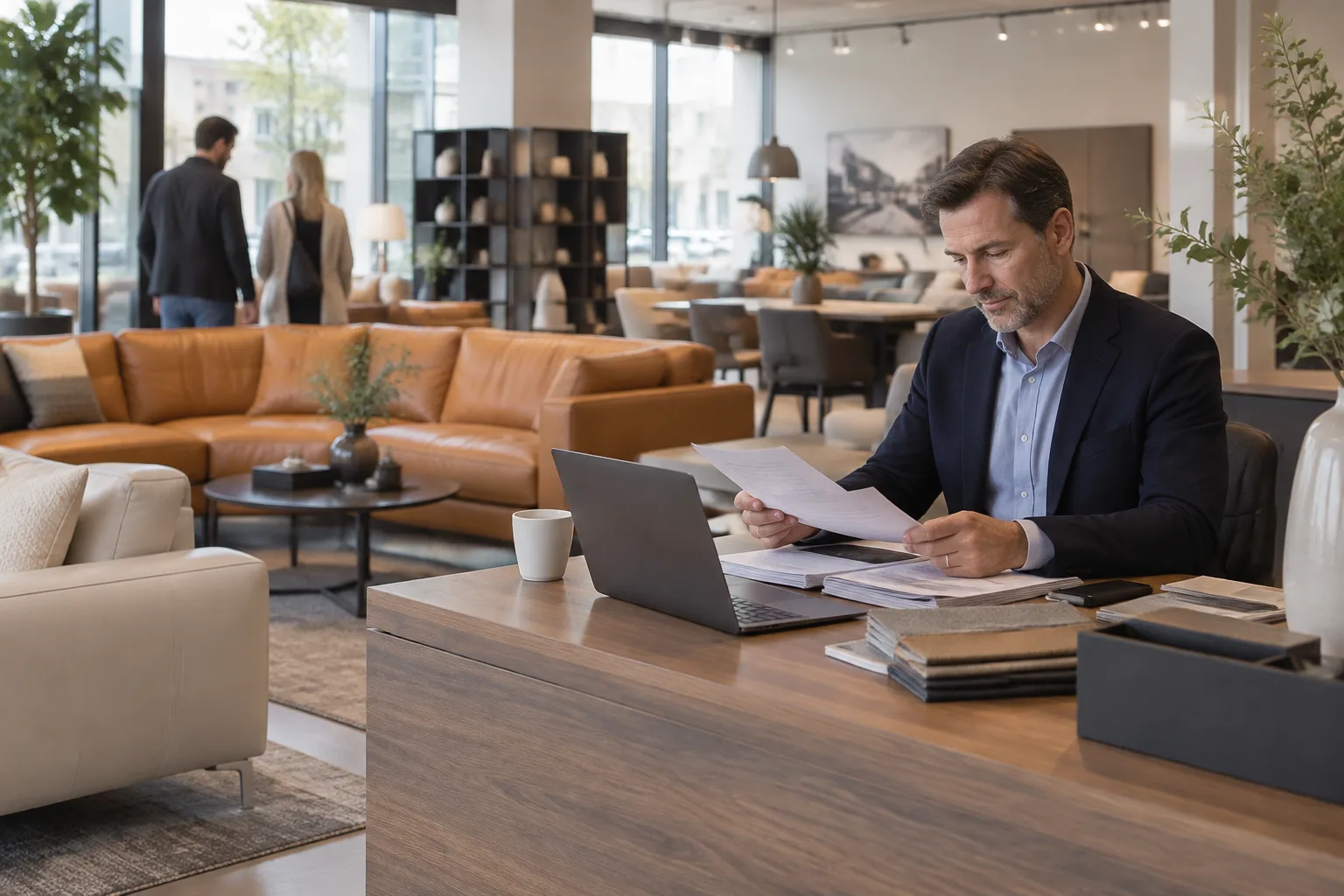
Following the bankruptcy of former Lederland franchisee Sedere B.V., a proposal has been put forward to fulfil seven outstanding furniture orders. The current Rotterdam operator wants to buy and pay for the furniture directly from the supplier. Approval from the bankruptcy trustee is still required. Meanwhile, Lederland stresses that its four current stores are separate from the bankrupt company.
Bankruptcy affects former franchisee
Sedere B.V., based in Leiderdorp, was the company behind the Lederland stores in Breda, Leiderdorp, Eindhoven and Rotterdam. According to a Wonen360 report dated 27 October 2026, the trustee’s first report shows that the business has tax debts of more than €1.1 million dating from the pandemic. Higher rent and staffing costs are also cited.
The bankrupt company still has outstanding orders for which customers have already paid deposits. After Omroep West reported the bankruptcy, uncertainty arose over how many buyers were affected and how their orders would be handled. Following enquiries, Wonen360 reports that seven customers are involved. Patrick Uittenbogaard, of the current Rotterdam operator Woongaard Meubelen Rotterdam BV, refers to seven deliveries in the Rotterdam area.
The distinction between the former franchisee and the current stores is central to Lederland’s statement. An order placed with the bankrupt company is not the same as an order placed with a current operator. With the same store name appearing in coverage, customers need clarity about which company is involved.
Current stores unaffected, says Lederland
According to Lederland’s management and the current operators, the four active Lederland stores are entirely separate from Sedere’s bankruptcy and continue to trade. Uittenbogaard tells Wonen360 that the four stores operate under Woongaard Meubelen and describes them as financially sound. He says the trustee’s report also makes clear that the current stores fall outside the bankruptcy proceedings.
Uittenbogaard provides further details about Rotterdam: that store has been under new, independent management since the beginning of 2026. It has also recently been refurbished and given a new look. He explains that the bankruptcy therefore concerns the former company, not the current operator of the Rotterdam store.
For those operating in or considering the Dutch franchise market, the situation highlights the importance of distinguishing between the franchise brand, the former franchisee and the current operator when reporting a bankruptcy. In this case, Lederland’s response addresses both the stores’ continued operation and the specific orders left outstanding at Sedere.
Proposal for direct delivery awaits trustee’s approval
According to Uittenbogaard, the furniture for the seven deliveries has already been manufactured. It remains with the supplier because Sedere is behind on payments. The proposed solution therefore involves buying and paying for existing furniture rather than commissioning new production.
Woongaard Meubelen Rotterdam BV has formally offered the trustee to buy and pay for the furniture directly from the supplier, with the intention of then delivering it to the customers’ homes. At the time of reporting, the company was still awaiting the trustee’s approval to proceed.
That condition is important: an offer has been made, but its implementation has not yet been confirmed. Nor does the statement provide a firm delivery date. For the buyers concerned, the proposal is therefore a possible route to receiving their furniture, rather than a settled solution.
Customers informed about next steps
According to the statement, Woongaard Meubelen has emailed all seven affected customers with an update. They were also advised to formally register their claims with the trustee. This remains part of the proposed approach, alongside the current operator’s offer.
If the trustee does not approve the takeover of the orders, Lederland points to the CBW-erkend guarantee under which the furniture was purchased. According to the statement, this protects deposits of up to 25 per cent of the purchase price and allows affected customers to make a replacement purchase from a CBW-accredited home furnishings retailer through the CBW scheme. This is presented as an alternative to the proposed direct delivery arrangement.
Practical advice: affected customers should follow the advice to register their claims with the trustee and await confirmation about their orders. For franchise operators, the case underlines the importance of clear communication about which company accepted an order and which company is handling its fulfilment.