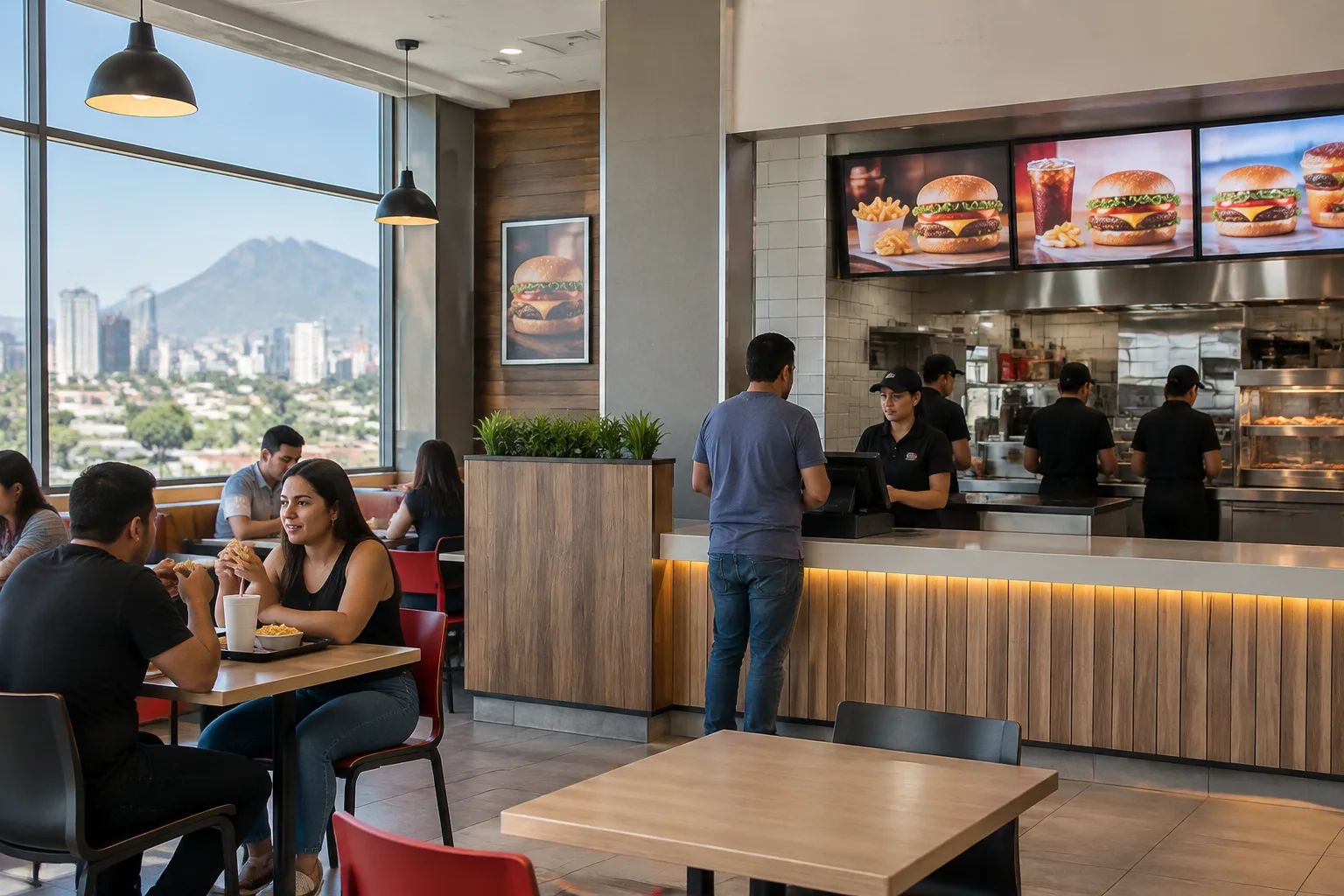
Chipotle plans more restaurants in Nuevo León and Mexico City debut
Alsea plans to open three or four additional Chipotle restaurants in Nuevo León in early 2027 and is preparing to enter Mexico City that year.
Published
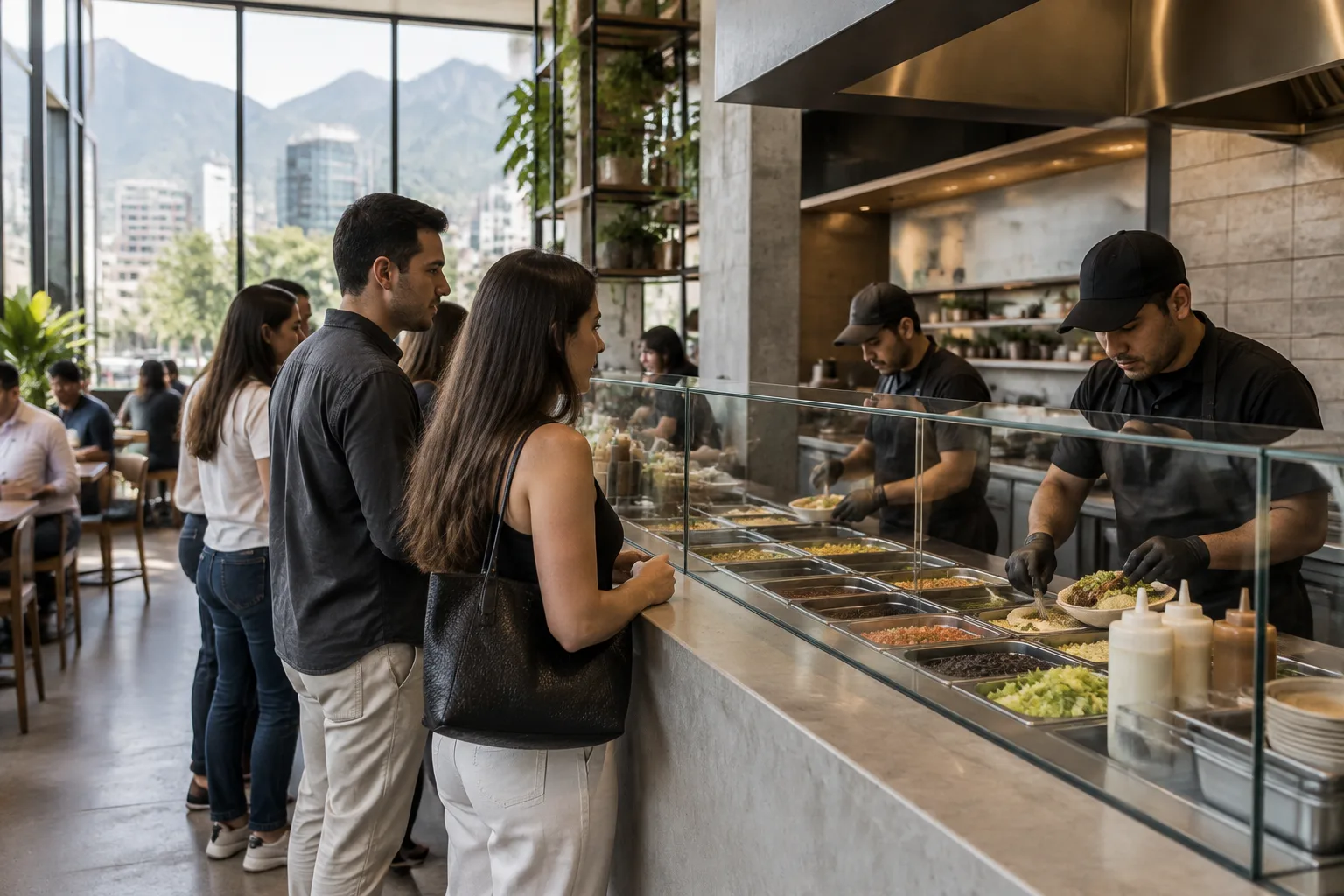
Chipotle is preparing for a new phase of expansion in Mexico after its first restaurant in the country exceeded the expectations of Alsea, the company operating the US brand. The plan includes three or four additional restaurants in Nuevo León during the first quarter of 2027, alongside an entry into Mexico City that year.
Nuevo León will be the base for the next phase of growth
Mexico’s first Chipotle opened in July 2026 in San Pedro Garza García, a municipality in the Monterrey metropolitan area. The location marked the Mexican debut of the fast-casual chain, whose menu draws on Mexican and Tex-Mex cuisine.
According to information published by Mexico News Daily on 29 October, Alsea intends to expand its presence in Nuevo León first. The three or four planned openings are in addition to the restaurant already operating in San Pedro Garza García.
This distinction matters: the figure is not a nationwide target of three or four restaurants, but a programme specifically for the state where the brand made its debut. Entry into the national capital is a separate part of the growth plan, also scheduled for 2027.
For now, the announced schedule sets out two different timeframes: the new Nuevo León restaurants are planned for the first quarter, while the Mexico City project is scheduled for some point during the year, with no more precise opening window.
Alsea sees demand beyond the initial launch
Christian Gurría, Alsea’s chief executive, explained that the public response to the first restaurant remained stronger than expected even after the initial excitement surrounding the opening had faded.
According to Mexico News Daily, which reported comments from an analyst call cited by Bloomberg Línea, Gurría said operations were beginning to settle and customer traffic was stabilising, but performance continued to exceed the company’s expectations.
That nuance is important when interpreting the announcement. Alsea pointed not just to the opening-day reception as a positive sign, but also to performance as operations progressed. This helps explain why the first restaurant plays such a central role in the rationale for expansion.
However, exceeding expectations is the company’s own assessment. It is not a sales figure, a profit margin or an investment payback period. The announcement should be read as an update on customer demand and Alsea’s plans, rather than a guarantee of results at future locations.
Mexico City opens a second avenue for growth
Preparations to enter Mexico City broaden the project’s geographical reach. Having launched in the Monterrey metropolitan area, Chipotle aims to establish a presence in the capital during 2027.
The planned expansion therefore combines a greater concentration of restaurants in Nuevo León with entry into a new city. These are complementary moves, but the announced schedule provides different levels of detail for each.
For those considering Mexico’s franchise market, the announcement offers a concrete example of an international brand expanding through an established operator. It is important to distinguish this corporate development from an investment offer: the plans described concern restaurants operated by Alsea and do not constitute an announcement that franchises are available to independent investors.
Raising Cane’s also features in the plans
Chipotle’s expansion is part of the refresh of Alsea’s portfolio in Mexico. The company is also preparing to introduce Raising Cane’s, the US chain specialising in breaded chicken strips.
Gurría said its first restaurant was expected to open in the first quarter of 2027. That timeframe coincides with the planned new Chipotle restaurants in Nuevo León, although these are separate projects involving different brands.
Practical takeaway: when tracking these opportunities, distinguish announced plans from confirmed openings, and do not mistake an operator’s expansion for an invitation to buy a franchise.