Alsea in talks to sell Burger King assets in Mexico
Alsea is negotiating a potential sale of Burger King assets. It operates 168 restaurants in Mexico, but the scope of the transaction remains undefined.
Published
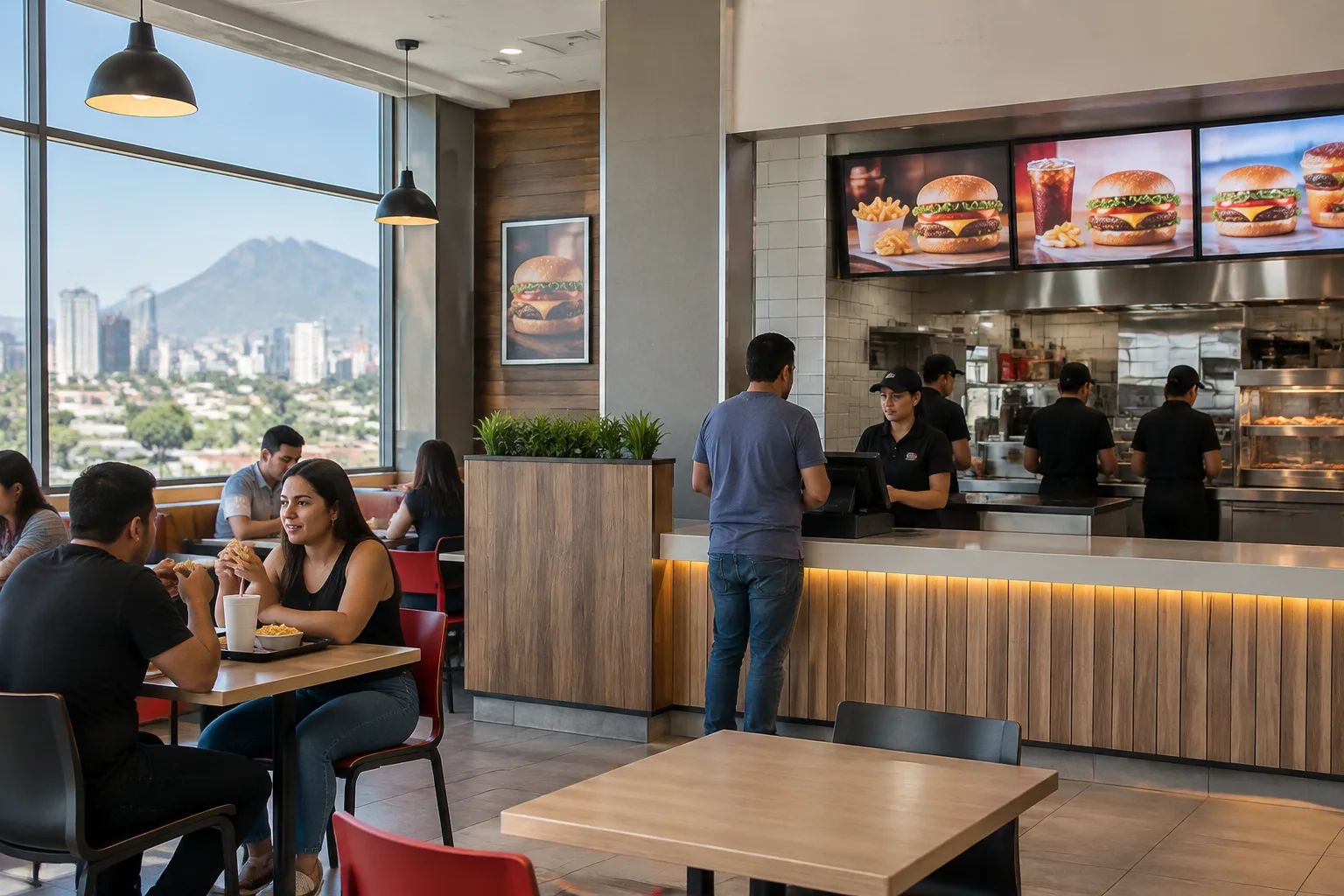
Alsea is in talks to sell Burger King assets, although the scope of the proposed transaction has not yet been publicly defined. The company, which operated 168 restaurants under the brand in Mexico at the end of September 2026, disclosed the talks during its third-quarter results presentation. No definitive agreement has yet been announced, nor has the company identified which restaurants could change operator.
A binding offer, but no sale agreement announced
According to information published by Diario de Tabasco on 28 October, citing reporting by El Economista, Alsea chief executive Christian Gurría confirmed that the company is progressing towards a potential sale of various assets, including those associated with Burger King.
The talks follow a binding offer and have reached the stage of negotiating a sale and purchase agreement. Gurría said he expected to provide an update before the end of 2026, but did not disclose the value of the potential transaction or the buyer’s identity.
He also did not specify whether the divestment would cover only Mexican restaurants or include operations in Argentina and Chile. The announcement therefore does not amount to confirmation that all Burger King restaurants operated by Alsea are being sold.
The move forms part of the operator’s strategy to simplify its portfolio and focus on businesses with greater growth and profitability potential. The assets included will need to be defined before the implications for Burger King’s franchise network can be assessed.
Mexico accounts for 168 of the 368 restaurants operated
Alsea’s third-quarter report, filed with the Mexican Stock Exchange, sets out the scale of its Burger King operations. At the end of September 2026, the company operated 368 restaurants under the brand across three countries:
- Mexico: 168 restaurants.
- Argentina: 107 restaurants.
- Chile: 93 restaurants.
These figures refer to restaurants operated by Alsea. They should not be interpreted as a count of all Burger King restaurants in Mexico or as a list of outlets included in any potential sale.
The year-on-year comparison shows a reduction in the combined network. In September 2025, Alsea reported 376 restaurants: 175 in Mexico, 114 in Argentina and 87 in Chile. A year later, Mexico and Argentina each had seven fewer outlets, while Chile had added six.
These changes show how restaurant numbers have evolved, but do not establish any link between the reduction and the current negotiations. The company has not publicly identified which outlets would form part of the agreement under discussion.
A relationship rooted in a master franchise agreement
A key milestone in Alsea’s relationship with Burger King in Mexico came in December 2012. In a statement that year, the operator announced an agreement with Burger King Worldwide to acquire the brand’s master franchise in the country, with exclusivity for 20 years.
That transaction provided for the acquisition of 97 restaurants and the integration of the outlets needed to bring Alsea’s total to 203. It also included operational control of the brand in Mexico and rights relating to the development of new outlets and sub-franchises.
This background explains why the current talks matter beyond the number of restaurants involved. For the franchise community, an important question will be whether any eventual agreement covers only operating assets or also rights associated with developing the brand. This has not yet been detailed.
What remains unknown
Reports of a potential divestment in Mexico, Argentina and Chile first emerged in September 2025. Subsequently, in February 2026, Gurría told El Economista that Burger King would remain in Alsea’s portfolio and that there was nothing concrete regarding a divestment.
The new development is the disclosure of a binding offer and negotiations over a contract. Even so, the buyer, price, countries involved and specific assets remain unknown. The expectation of providing an update before year-end is not a confirmed completion date for the sale.
Practical takeaway: anyone assessing opportunities involving the brand should distinguish between negotiations and a completed transaction, and wait for official confirmation of the restaurants and rights included before making decisions.