Franchise Logistics Due Diligence: Checking Deliveries, Goods Inspections and Stockout Procedures Before Signing
Supply prices alone will not reveal the logistics risks you may face after opening. Learn how to check delivery schedules, goods inspection standards, alternative sourcing during stockouts and additional costs before signing a franchise agreement.
Published
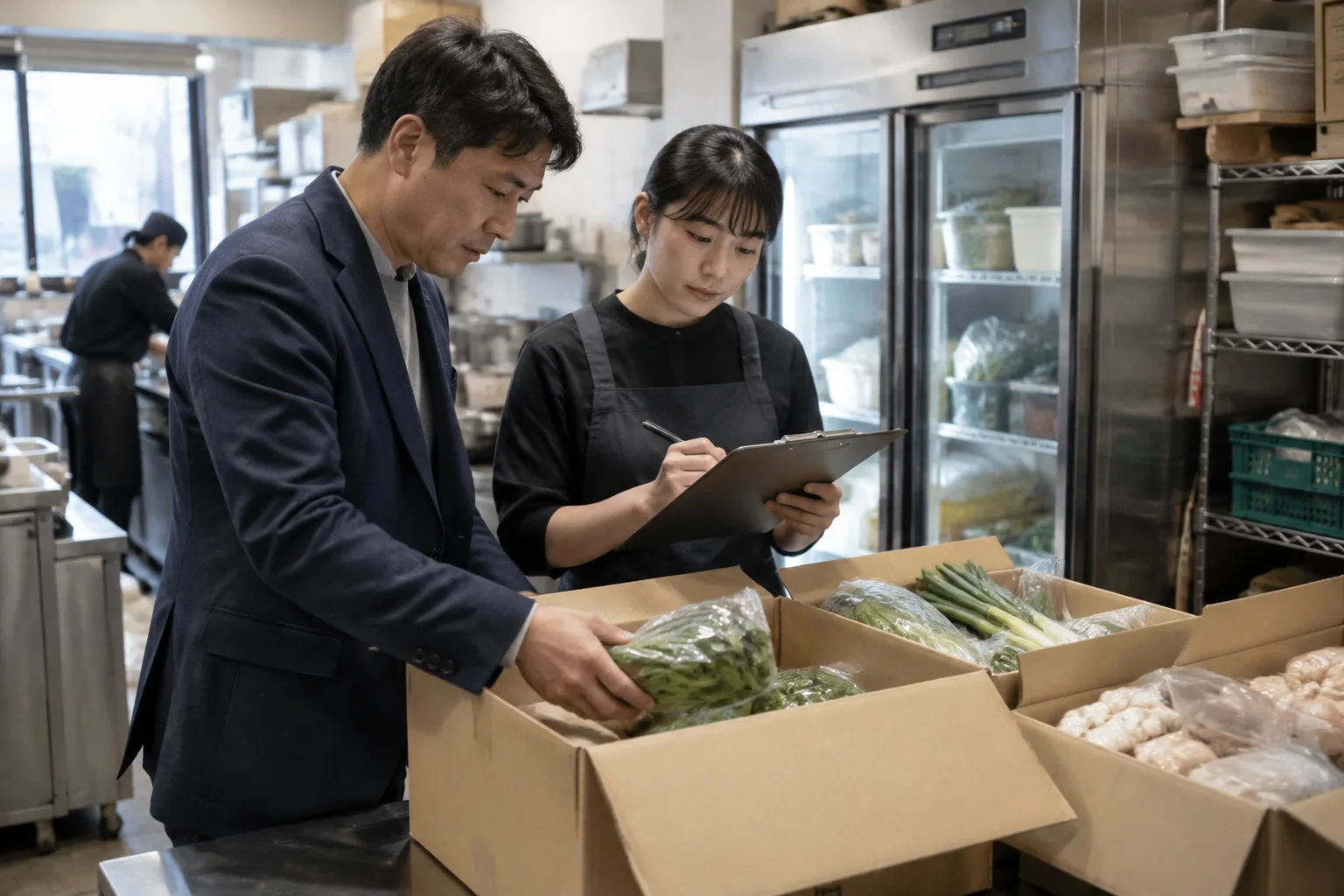
When considering a franchise, it is easy to scrutinise ingredient price lists yet leave questions about when goods will arrive, and in what condition, until just before opening. However, delivery delays and recurring stockouts reduce sales opportunities while increasing waste costs and working capital pressures. To support reliable operations across a franchise network, you need to turn the franchisor’s logistics claims into practical conditions that can be verified at your outlet. The key is to assess the entire process, from ordering and receiving goods to dealing with defective items, rather than focusing solely on purchasing obligations.
1. Turn logistics network claims into a delivery schedule for your proposed outlet
A claim that “nationwide delivery is available” is not enough. Give the franchisor the address of your proposed outlet and request written confirmation of available delivery days, order cut-off times and typical order-to-delivery lead times. Even within the same brand, operating conditions can vary depending on delivery zones and distribution centre locations. If you have not yet chosen a site, compare the conditions for each shortlisted location.
Start by bringing the following points together in a single table.
- Ordering conditions: Order cut-off times, minimum order quantities, pack sizes for each product, and deadlines for amending or cancelling orders
- Delivery conditions: Scheduled delivery days, arrival windows, holiday arrangements and communication procedures during severe weather
- Receiving arrangements: What happens if the franchisee is absent, storage in designated locations, and handover procedures for chilled and frozen goods
- Additional costs: Charges for small orders, urgent deliveries and deliveries to islands or outlying areas
Where possible, ask for a logistics schedule that specifically applies to your proposed outlet. If promotional materials differ from the rules in the actual ordering system, establish which document takes precedence. If a separate logistics company handles deliveries rather than the franchisor, also record who receives orders, who handles transport and which party handles billing and settlement.
If possible, request a demonstration of the ordering interface and a sample delivery note. Required fields, the point at which stockouts are displayed and order confirmation notifications can reveal issues that are easy to miss in a verbal explanation. For outlets receiving deliveries late at night, in particular, your staffing budget should account for the people needed to receive and inspect goods. An unattended delivery option does not necessarily remove your responsibility to inspect them.
2. Translate stockholding obligations into storage needs and cash commitments
Article 6 of South Korea’s Fair Transactions in Franchise Business Act sets out franchisees’ obligations, including maintaining appropriate stock levels to meet the franchisor’s supply plan and consumer demand, and complying with appropriate quality standards. Simply minimising stock is therefore not the answer. Equally, this provision alone does not mean that every stock level required by a franchisor is reasonable.
Before signing, record the minimum quantity you must order for each key ingredient, the quantity needed until the next delivery and its usable life after arrival. Compare these figures with the actual capacity of your fridges and storeroom to identify the risk of excessive orders or frequent urgent deliveries. Separately calculate the stock likely to remain if sales fall below expectations.
In your calculations, distinguish between purchase costs, delivery charges, storage costs and estimated losses from waste. Base the figures on the franchisor’s quotations, product specifications and your proposed outlet’s operating plan, marking any unconfirmed figures as assumptions. Separating cash tied up in stock from recurring monthly costs makes it easier to identify when funding shortfalls may arise.
Review opening stock in the same way. Ask the franchisor to distinguish between quantities needed for launch promotions, those needed until the first regular delivery and stock intended for sale over a longer period. Products supplied in large packs may carry a lower unit price but create a greater risk of waste. If you are told that surplus goods can be returned or transferred to another outlet, check which products qualify and what approval conditions apply.
3. Test inspection and returns procedures against real delivery scenarios
Logistics issues do not end when goods arrive. What matters is how shortages, damage, inadequate chilling or a short remaining use-by period are handled. If there are inspection guidelines and returns policies separate from the agreement, obtain and review these before signing too. Non-food products also need quality checks suited to their characteristics.
Present the following scenarios and ask the franchisor to explain the steps involved.
- Who should you notify if the quantity received is lower than the quantity shown on the delivery note?
- What photographs and records are required if packaging is damaged or temperatures are outside the required range?
- If goods needed for that day’s trading are defective, when will replacements arrive?
- Once a return is approved, who pays the collection and replacement delivery charges?
- For goods already paid for, will you receive a refund or a credit against the next bill?
Inspection deadlines must be workable given the actual delivery time. An outlet receiving a large delivery during trading hours may need extra staff if every box must be opened immediately. Also check whether signing for receipt is treated as confirmation that quality checks are complete. It is important to establish whether there is a procedure for reporting problems discovered after the delivery driver has left.
It is best not to rely on a phone call alone when reporting a problem. Check whether the reporting method allows you to record the order number, delivery date and time, product, quantity, photographs and requested action together. Establishing whether reports to the logistics company are shared with the franchisor, and how goods should be stored while approval is pending, can reduce confusion over whether they should be discarded.
4. Put stockout procedures and supply suspension terms in the agreement
Distinguish between shortages that would require you to stop selling only certain menu items and those that would make it difficult to operate the outlet at all. Ask the franchisor when stockouts will be notified, whether substitutes will be supplied, and what contact channels and approval procedures apply to emergency sourcing. If substitutes are permitted, also agree who will verify their quality and who will bear any price difference.
Do not assume that you can buy goods independently from outside suppliers. You need to check both the quality requirements under Article 6 and the agreement’s purchasing conditions. Even where alternative sourcing is allowed during stockouts, clarify the eligible products, the person authorised to approve purchases, how approval will be communicated and how long it remains valid. A vague statement such as “consult the person in charge” is unlikely to be enough in an emergency.
Article 12 of the same Act, together with Article 13(1) and Annex 2 of its Enforcement Decree, prohibits unfair trading practices such as suspending or substantially restricting the supply of goods or raw materials without justifiable grounds. However, not every delivery delay or stockout amounts to an unlawful refusal to supply. The cause, duration, contractual terms and each party’s response need to be examined in detail.
Negotiate to include, at a minimum, how supply disruptions will be notified, an emergency contact channel, alternative supply procedures and rules for allocating costs. It is also sensible to designate a single reporting contact so that franchisees do not have to contact several parties repeatedly because responsibilities are divided between the franchisor and delivery company. Have unclear terms reviewed by a qualified Korean franchise transaction adviser or a lawyer before making a decision.
Action summary: Before signing, review the delivery schedule, stock calculations, inspection and returns standards, and stockout procedures as one package. A workable process for when goods fail to arrive on time matters more than a promise that you will be able to buy them.