Gruppo GS: unions launch mobilisation as franchise network issues remain unresolved
Unions have declared a formal mobilisation at Gruppo GS. Unresolved issues include rationalisation of the franchise network, staff protections and store investment.
Published
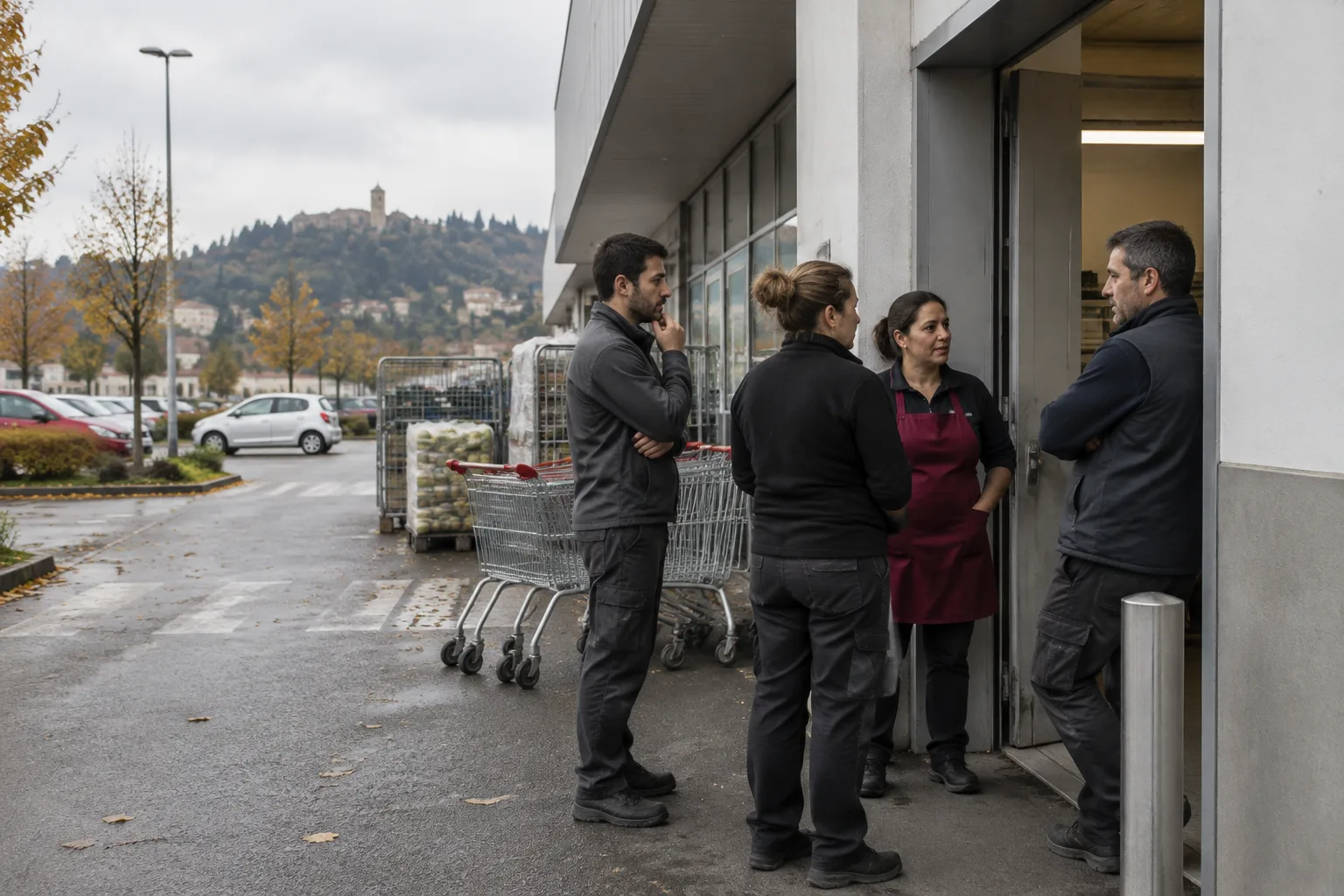
Talks between Gruppo GS (New Princes), formerly Carrefour, and trade unions have broken down. On 16 October 2026, Filcams Cgil, Fisascat Cisl and Uiltucs declared a formal mobilisation and announced meetings across all workplaces. Outstanding issues include rationalisation of the franchise network, protections for affected staff and investment in stores.
Breakdown in talks and union mobilisation
According to a statement published by Fisascat, the three unions took the decision after chairman Angelo Mastrolia broke off talks during the meeting on 16 October. The unions’ account describes an announcement that relations with the unions would be suspended, along with the process of bringing outsourced staff into employment with the subsidiary New Services.
At the same meeting, again according to the unions, the company reportedly expressed its intention to reduce labour costs in 2027, considering them excessive. The statement also reports accusations blaming employees for the company’s poor performance and an announcement of tougher disciplinary action against staff.
Filcams Cgil, Fisascat Cisl and Uiltucs based their declaration of mobilisation on these developments. The planned workplace meetings will inform employees about the state of talks and the reasons for the mobilisation. This is therefore an ongoing dispute, rather than an agreement already reached on working conditions or restructuring.
Franchising: pay and job security among the unresolved issues
For the franchise community, the most significant issue is the planned rationalisation of the network. The unions report bankruptcies among some franchise operators, unpaid wages and concerns over end-of-service payments — known in Italy as TFR — and the future employment of affected staff.
The statement explicitly links these concerns to the franchise network. They should, however, be kept separate from the other matters discussed: the process concerning outsourced staff and New Services, and the difficulties facing franchise operators, are presented as distinct issues within the same dispute.
According to the unions, the breakdown in talks prevented more detailed discussion of the rationalisation process. The references to wages and end-of-service payments therefore describe concerns raised by employee representatives, rather than announcing an agreed solution.
The reference to bankruptcies also concerns only some operators: it should not automatically be taken to apply to the entire network. This distinction matters when assessing the situation, so that specific reported difficulties are not confused with an overall assessment of all franchised stores.
Investment, rebranding and commercial policies
Another unresolved area concerns investment in rebranding and store refurbishment. According to the union statement, both the timing and the locations of the work remain unclear. The unions also highlight problems in stores inherited from the previous Carrefour management.
Investment sits alongside questions about commercial policies and product ranges. In the unions’ view, the changes introduced do not appear to be translating into sales. This is an assessment attributed to employee representatives, not a quantitative measure of the group’s trading performance.
The dispute therefore spans several areas: working conditions, the structure of the network, commercial decisions and work on stores. The breakdown in talks leaves all of these unresolved, with the statement announcing neither an agreed timetable for addressing them nor an investment agreement.
What to watch next
The announced next step is to hold workplace meetings. These will focus on informing staff about the breakdown in talks and the reasons for the union mobilisation. For franchisees and those following the franchise sector, the key points to monitor remain progress on rationalisation, responses to the employment concerns raised and clarification of planned work on stores.
Above all, this situation calls for a distinction between company intentions reported by unions, problems raised and decisions actually agreed. Practical guidance: before assessing the implications for an individual store, check the communications that relate directly to it, rather than assuming that situations reported at some operators apply across the entire network.