Defining Equipment Ownership in Franchise Outlets
Clarify who owns the equipment, pays for maintenance and bears responsibility for damage before offering your business as a franchise.
Published

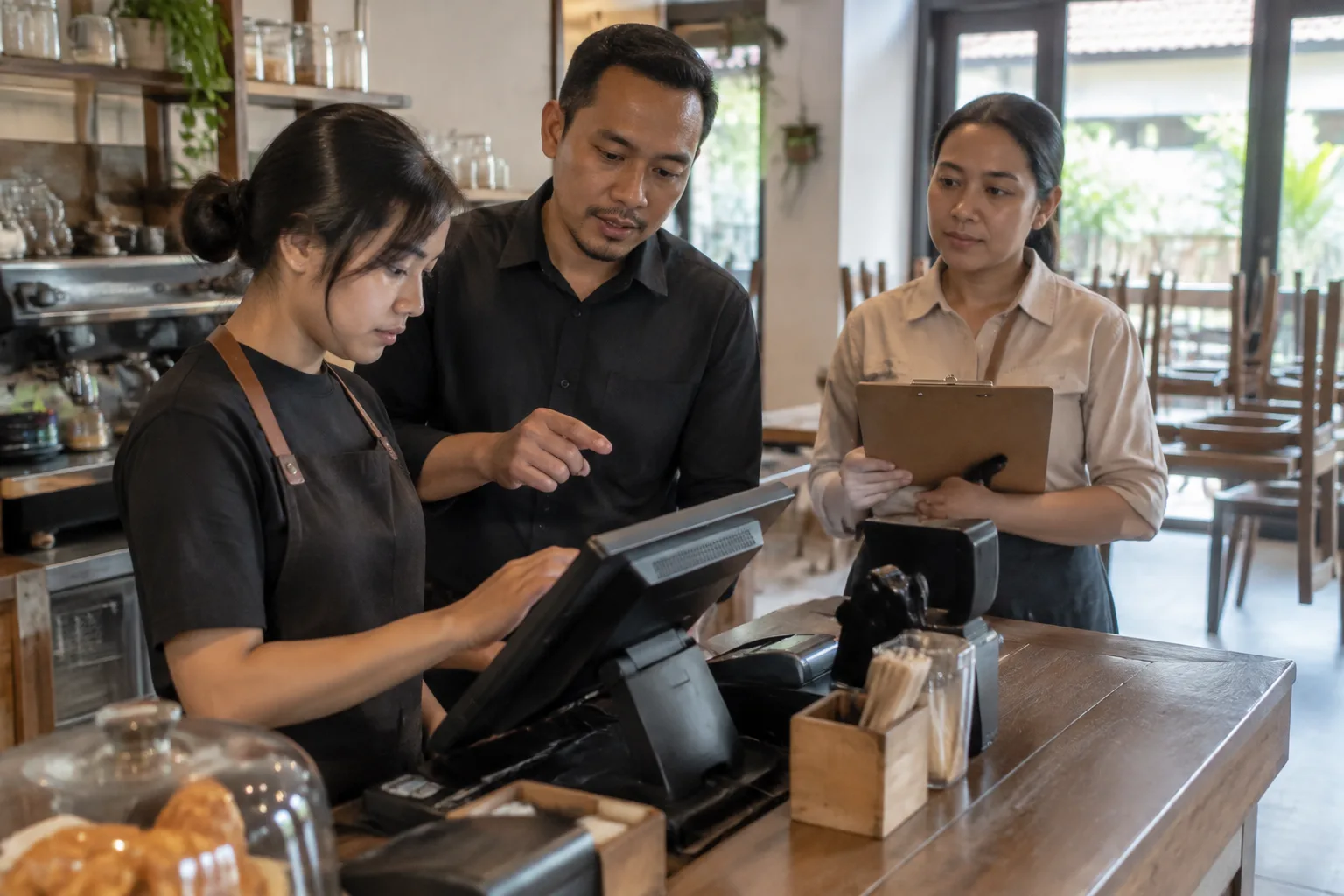
Coffee machines, refrigerators, point-of-sale equipment and furniture are often included in a franchise package. However, paying for the package does not automatically establish who owns each item. Before franchising an existing business, owners need to set out asset arrangements that prospective franchisees can understand. Clear arrangements help prevent disputes over costs and keep outlets operating when equipment develops a fault.
1. Separate ownership from the right to use equipment
Start by taking an inventory of the equipment in your own outlet that will serve as the model for franchise outlets. Do not simply list a “complete equipment package”. Specify each type of item, its key specifications, quantity and operational purpose. Also identify any items that are actually rented or borrowed from third parties.
For each category of equipment, establish a clear ownership arrangement:
- Sold to the franchisee: specify when ownership transfers and what proof of the transaction will be provided.
- Leased to the franchisee: explain who owns the equipment, the lease term, payments and the obligation to return it.
- Loaned for the duration of the franchise relationship: define the limits on use and who is responsible for maintenance.
- Purchased directly by the franchisee: record that the franchisor’s approval of the specifications does not make the equipment the franchisor’s property.
Also distinguish physical equipment from the services running on it. A franchisee may own the point-of-sale computer, while access to its software, accounts or data storage services may depend on an active subscription. Do not imply that ownership of the hardware means ownership of the entire system.
The result should be an asset register with unambiguous ownership and usage arrangements, rather than merely a shopping list for opening an outlet.
2. Align the offer with the agreement
Indonesia specifically regulates franchising through Government Regulation No. 35 of 2024 on Franchising, which replaced Government Regulation No. 42 of 2007. This framework covers, among other things, the franchise offering prospectus, the franchise agreement and the Franchise Registration Certificate, known locally as the STPW. Asset arrangements do not replace these obligations.
A franchise agreement must set out the parties’ rights and obligations. Equipment ownership provisions should therefore be detailed in the agreement or in a schedule expressly incorporated into it. Alongside the franchise-specific rules, Article 1320 of the Indonesian Civil Code sets out the requirements for a valid agreement, while Article 1338 provides the basis for the binding force of lawfully concluded agreements.
In the commercial offer, distinguish between franchise fees, equipment purchase prices, equipment security deposits and any rental charges. Do not present them as a single payment without explaining what each component covers. Prospective franchisees need to know whether their expenditure buys assets they will own or merely the right to use them.
For example, if a refrigerator remains the franchisor’s property, avoid saying “the franchisee receives a refrigerator” without further explanation. State that the item is loaned or leased, then set out the terms in the transaction documents.
Ask a legal adviser to check that the offer, agreement and asset schedules are consistent. This is particularly important where instalment payments, security arrangements or third-party financing are involved.
3. Allocate responsibilities while equipment is in use
Ownership alone does not establish who must act when a machine stops working. Allocate responsibilities according to the type of incident, rather than using a blanket statement that the franchisee is responsible for all damage.
At a minimum, agree on the following:
- Routine maintenance: who carries out cleaning, inspections and replacement of consumable parts.
- Technical faults: who contacts the technician, authorises the work and pays diagnostic charges.
- Warranty claims: who keeps the purchase documents and handles claims with the warranty provider.
- Loss or accidents: how incidents are reported, evidence is collected and responsibility is determined.
- Temporary replacements: whether replacement equipment is available and who pays delivery costs.
Distinguish between fair wear and tear, product defects and damage caused by use contrary to instructions. These assessments should be supported by maintenance records or a technician’s inspection, rather than an unsupported unilateral decision.
Also establish who can authorise emergency repairs. If every approval has to wait for the brand owner, a minor fault could halt sales. Conversely, unrestricted freedom to replace components could create safety risks or invalidate a warranty. Develop a realistic approval process based on experience in your own outlet.
4. Document handover and maintain asset records
When equipment is handed over, use a handover record listing each item’s identification details, serial number where available, condition, accessories and functional test results. Attach photographs and record any outstanding issues. A signature acknowledging receipt should not be used to remove the obligation to rectify issues already recorded.
Keep an asset register for each outlet and update it whenever equipment is replaced, moved or returned. This history helps the operations team identify the equipment in use, while allowing the finance team to reconcile payments with transaction documents. The accounting and tax treatment should be checked against the actual nature of each transaction.
For equipment owned by the franchisor, agree on the return procedure from the outset: the handover location, transport costs, condition checks and how damage will be recorded. Do not assume that the end of the right to use the brand automatically transfers ownership of equipment the franchisee has purchased.
Practical step: before offering a franchise package, create a single register linking each item of equipment to its owner, the basis on which it is used, the party responsible for costs and the proof of handover. If any item lacks a clear answer, resolve the documentation before a prospective franchisee pays.
Sources
- Ubah Bisnis Jadi Penghasil Royalti: Panduan Urus Legalitas Bisnis ...
- PENGATURAN HUKUM TENTANG FRANCHISE DI INDONESIA
- WARALABA - PENYELENGGARAAN 2019. PERMENDAG NO. 71 TAHUN 2019 ...
- [PDF] pelaksanaan perjanjian serta perlindungan hukum praktek - Neliti
- Berita waralaba Hari Ini - Kabar Terbaru Terkini
- [PDF] PENGATURAN WARALABA DI INDONESIA - OJS ITB-AD
- [PDF] PERATURAN - JDIH Kemendag RI
- Waralaba - Penyelenggaraan 2019. Permendag No. 71 Tahun 2019, Ll ...