Mobile Food Franchises Draw Interest, with Efficiency in Focus
Mobile food businesses are attracting attention because they do not require rented premises. Prospective franchisees still need to scrutinise costs and business support.
Published
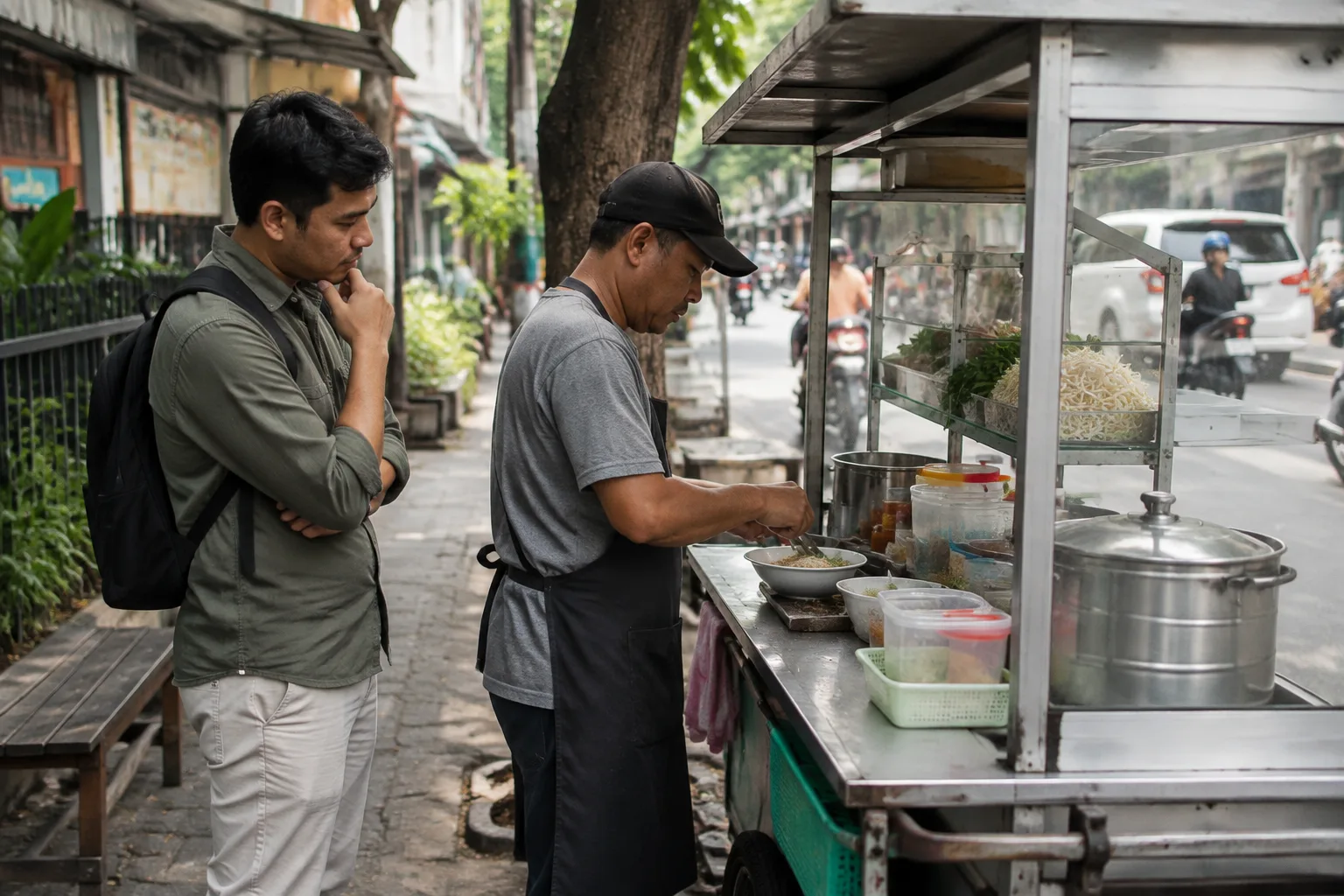
Mobile food businesses are attracting attention in coverage of Indonesia’s franchise sector. A report by iNewsTangsel on 20 September 2026 said this model was becoming increasingly popular because it offered operational efficiencies without the need to rent premises. For prospective franchisees, that appeal deserves consideration, but it should not be mistaken for guaranteed profitability.
Savings on premises attract interest
The iNewsTangsel report presents mobile food businesses as a concept attracting public interest thanks to their operational convenience. Its central point is the opportunity to run a business without renting premises, rather than the opening of an outlet or the launch of a particular brand.
That distinction matters when putting the news into perspective. The available source material provides no growth figures, franchisee numbers, investment amounts or cost comparisons with fixed premises. The reported increase in interest therefore cannot yet be treated as a quantitative measure of market growth.
For the franchise community, the report opens up a discussion about alternative business formats. The focus need not always be on physical outlets; premises requirements can also form part of an assessment of a franchise or partnership model. However, choosing a mobile format should be based on the details of the offer and operating conditions, not simply the impression that the model is easier to run.
No rent for premises does not mean no costs
The benefit cited in the report should be understood precisely: there is no need to rent premises. This does not mean there are no costs associated with trading space, equipment or day-to-day operations. The available source material does not provide a breakdown of these items.
Prospective franchisees should request a written breakdown of costs before comparing an offer with a fixed-outlet alternative. Questions could cover the cost of the mobile trading unit, maintenance requirements, ingredient storage, transport and any fees for using a trading location. These are matters to investigate, not costs confirmed as applying to any particular offer in this report.
Comparisons should also be made on a like-for-like basis. Do not compare the initial package price for one format with the total operating costs of another. Separate start-up expenditure, recurring expenses and cash reserve requirements to make the capital needed easier to assess.
If the business offering the opportunity provides profit projections, ask it to explain the underlying sales and cost assumptions. A lower-sales scenario can help test how well those calculations hold up. This helps prospective franchisees assess whether the promised efficiencies still make sense when sales fall short of expectations.
Assess operational readiness and franchisee support
The convenience highlighted in the report also needs to be translated into practical operating questions. How are ingredients prepared? Where is stock stored? How is the trading unit kept clean? Who provides help when equipment is out of action? Prospective franchisees should seek answers before making a decision.
Where an offer follows a franchise model, prospective franchisees should examine the promised support in detail. Ask for explanations of training, operating guidelines, ingredient supplies, equipment maintenance and the handling of customer complaints. Distinguish between support included in the package and services that carry additional charges.
Location should not be overlooked either. Prospective franchisees need clarity on where they can trade, which approvals are required and who is responsible for obtaining them. A mobile concept should not be interpreted as permission to trade anywhere without checking local rules.
The source material contains no regulatory changes or licensing details. There is therefore no basis for concluding that mobile formats qualify for any particular exemptions. Checking the relevant documents and requirements remains an important precaution before committing capital.
Read the trend without rushing to invest
The iNewsTangsel report offers one clear signal: operational efficiency through mobile food formats is attracting attention. However, the available information is not enough to identify the best brand, calculate a payback period or establish that this format is more profitable than a fixed outlet.
For readers assessing business opportunities in Indonesia, those limits can themselves provide useful guidance. Use trend reports as a starting point for drawing up questions, then request evidence and documentation from the business offering the franchise or partnership. Make sure claims of convenience and efficiency come with explanations that can be checked.
Practical next step: before accepting an offer, request a comprehensive cost breakdown, confirmation of where you will be allowed to trade and a written list of operational support. Assess a mobile food opportunity on how well prepared it is to operate, not simply on the absence of rent for premises.