Buying a Franchise: Assess Site Viability Before Approval
A busy location is not necessarily right for your outlet. Assess potential customers, access and the grounds for site approval before buying a franchise.
Published
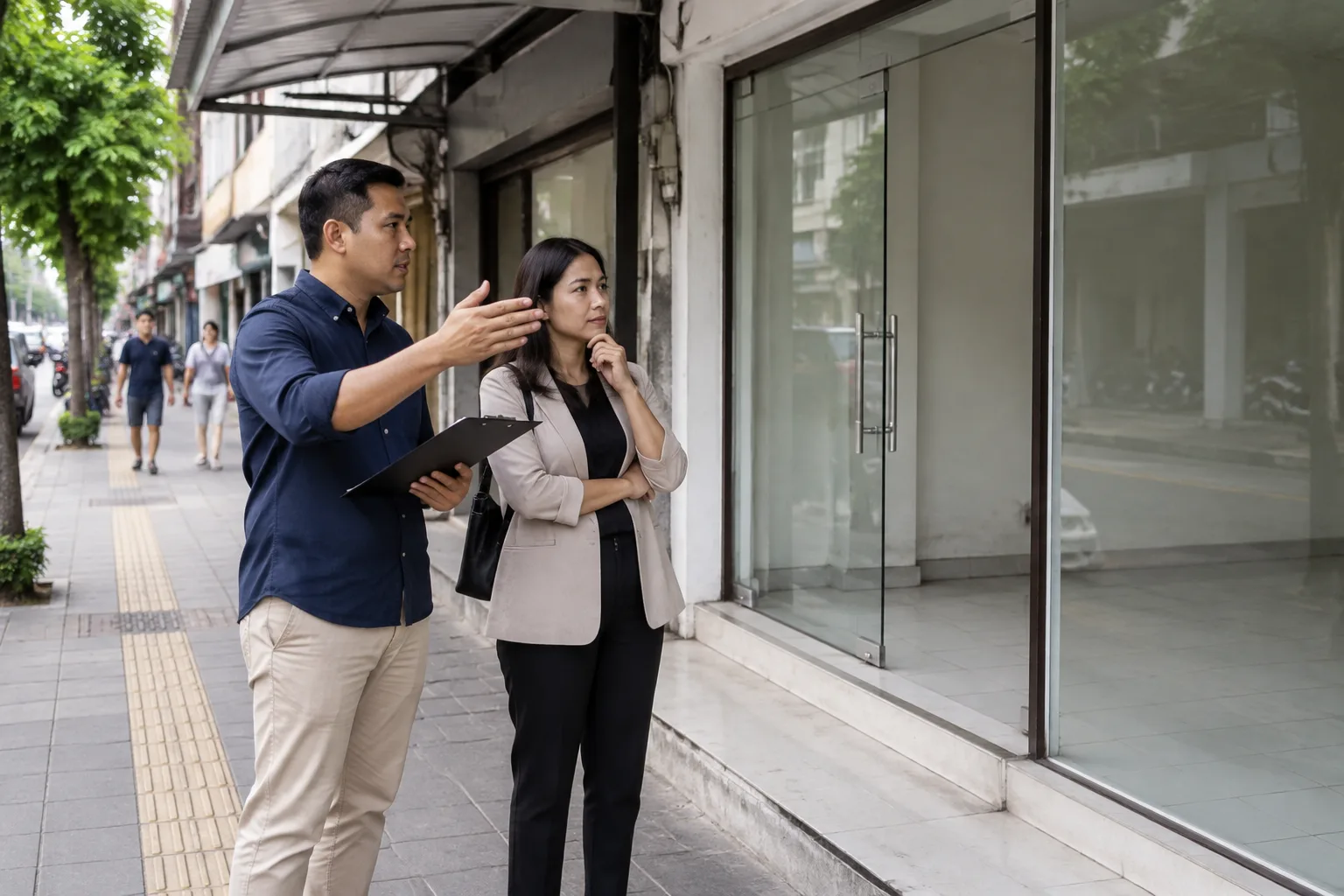
Site approval from a franchisor does not guarantee that an outlet will attract enough customers. A seemingly busy location may draw people whose needs do not match your chosen brand’s products, prices or opening hours. Site assessment should be a transparent process between the prospective franchisee and the franchisor. Before buying, test whether the proposed premises genuinely support the way the outlet is expected to generate sales.
1. Define your customers, rather than simply looking for a busy location
Start by asking the franchisor to describe the core customer profile in concrete terms. Avoid overly broad answers such as “everyone”. Ask who typically buys, when they visit, what needs the business meets, and whether purchases tend to be planned or spontaneous.
A breakfast outlet, for example, needs a different pattern of visits from a family restaurant. A location near offices may be attractive on weekdays but quieter when those offices are closed. Conversely, weekend footfall may do little for a business that relies on office workers’ lunch orders.
Draw up a site criteria checklist before assessing any particular address. It could include:
- Core customers: office workers, local residents, students or shopping centre visitors.
- Purchase times: before work, during breaks, in the late afternoon or at weekends.
- Sales channels: in-person visits, takeaway or delivery.
- Access requirements: space for brief stops, parking, pedestrian routes and order collection points.
These criteria let you compare potential sites on the same basis, rather than relying on first impressions or pressure to act before someone else takes the premises.
2. Check actual activity at relevant times
Visit the site several times on different days and at different times. Match your observations to the expected sales hours, rather than simply visiting when it is convenient. Record the weather, special events, public holidays or other circumstances that could make a visit unrepresentative of normal conditions.
Distinguish between three groups: people passing by, people who fit the customer profile, and people who can easily access the outlet. Vehicles passing on a main road do not necessarily represent sales opportunities if there is nowhere to stop or the entrance is difficult to reach.
Also check for commonly overlooked obstacles:
- Is the outlet visible from the direction customers will approach?
- Do people have to take a long detour or cross a difficult road?
- Can queues be accommodated without blocking access?
- Can delivery riders collect orders without getting in the way of customers visiting in person?
- Does activity around the site change after a certain time?
Observe similar businesses and complementary businesses nearby. Competitors do not automatically make a location unsuitable; their presence may indicate customer demand. However, distinguish between queues driven by regular demand and crowds attracted by temporary promotions. Do not assume that competitors’ customers will switch to your brand without a clear reason.
3. Ask for the grounds for site approval in writing
Indonesia specifically regulates franchising through Government Regulation No. 35 of 2024 on Franchising, which replaced Government Regulation No. 42 of 2007. This framework governs franchise operations under franchise agreements and sets criteria covering matters such as the business system, a proven record of profitability, intellectual property and ongoing support. Meeting these criteria does not establish that every proposed site will be commercially viable.
You should therefore distinguish between the viability of the brand’s business system and that of your particular site. Request a written assessment, rather than just a brief message saying the location is “good” or “approved”.
The assessment should explain who conducted the survey, when observations took place, which criteria were used and what weaknesses were identified. If approval is conditional, make sure the conditions are clear—for example, requirements for outlet visibility or order collection access.
Also ask whether the assessment merely checks technical compatibility with the outlet format or considers sales potential as well. These are different questions. Premises with enough room for the equipment will not necessarily generate sufficient demand.
Your entitlement to surveys, reports or reassessments should be clarified in the agreement; do not assume they are all automatically included in the franchise package.
4. Decide on the basis of evidence and clear acceptance criteria
Prepare a summary for each potential site: why customers would visit, barriers to access, dependence on surrounding activity and unanswered questions. Identify which points come from your observations, which are information supplied by the franchisor and which are your own assumptions.
If the franchisor uses an existing outlet as a benchmark, ask what makes it comparable. An outlet in a tourist area may not be a suitable benchmark for a residential neighbourhood, even if the premises are a similar size. Check differences in peak hours, customer habits, access and the role of delivery services.
Set your acceptance criteria before making a decision. For example, do not proceed if access for your core customers remains uncertain or if the assessment’s conclusions depend on facilities that are not yet available. If you and the franchisor disagree, request a joint site survey and record the findings. Delaying a decision makes more sense than overlooking unresolved weaknesses.
Practical takeaway: choose a location based on the customers you can reach, not simply how busy it looks. Compare on-site observations with the brand’s criteria, ask for written reasons for approval and resolve significant uncertainties before buying.
Sources
- Panduan Beli Waralaba, Tata Cara Hingga Akad Fikih Biar ...
- Bisnis Franchise di Indonesia dari Masuk hingga Aturan Baru
- Ubah Bisnis Jadi Penghasil Royalti: Panduan Urus Legalitas Bisnis ...
- Autopilot! Sistem Bisnis Franchise, Mulai dari Pengertian ...
- Franchise: Model Kemitraan, Begini Cara Kerjanya
- Pahami Ketentuan Pendaftaran Franchise - Klinik Hukumonline
- Beli Waralaba: Pastikan Hak Menjual Kembali Gerai
- Legalitas Bisnis Franchise: Risiko Hukum yang Perlu ...