How to Run a Pilot Before Franchising in India
Can your business run without you? Use a pilot outlet to test operations, support and costs before deciding whether to expand through franchising.
Published

A successful shop is not necessarily a business that can be replicated. Success built on the owner's daily presence, personal customer relationships or a particular supplier does not easily transfer to a new partner. Before offering your existing business as a franchise, run a pilot — a test outlet. The aim is not simply to assess sales, but to establish whether someone else can deliver the same customer experience with the support you plan to provide.
1. What questions should the pilot answer?
Start by setting out the purpose of the test on a single page. Can a trained manager run the outlet without the founder? Can quality be maintained using supplies bought on standard commercial terms? Does support from the central team arrive in time? Use these questions to determine how long the test should run and which data to collect.
Do not base your decision solely on opening-day crowds or festive sales. The test should also cover ordinary demand, busy periods, stock replenishment cycles and staff absences. Set the duration according to the nature of the business; no single timeframe suits every model.
Record three things in advance:
- Success criteria: For example, service within a specified time and an acceptable level of complaints.
- Reasons to stop: For example, safety breaches or repeated shortages of essential stock.
- Conditions for retesting: The circumstances in which the test should be repeated after improvements.
If you change the criteria after seeing the results, the pilot becomes a way to justify your assumptions rather than a tool for making decisions.
2. Keep the test close to the reality a future franchisee will face
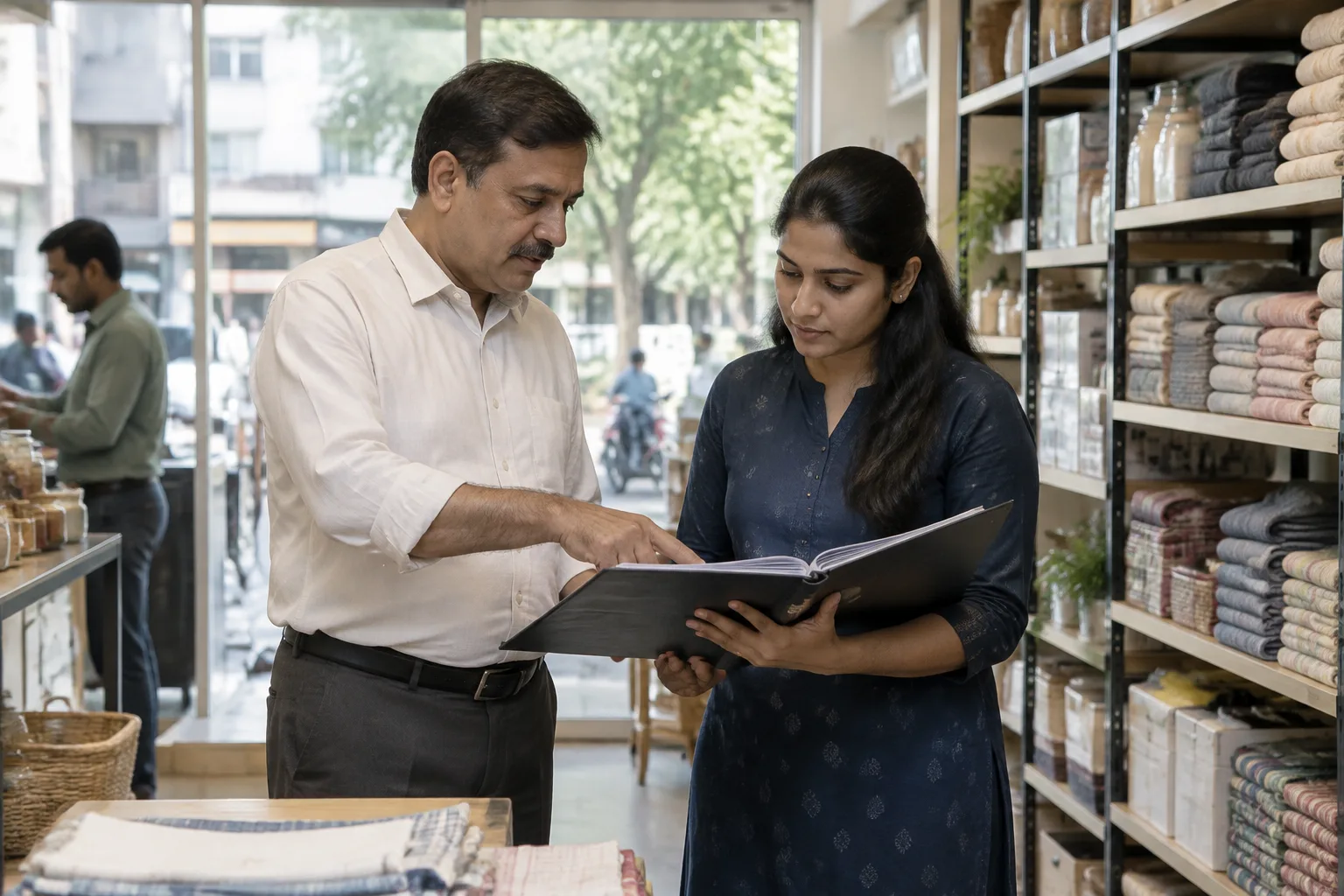
A second company-operated outlet can be useful, but not every business is ready to open a new location straight away. An initial test can be carried out by giving a trained manager independent responsibility for an existing outlet. Bear in mind that this does not establish demand at a new location or test local competition there.
Give the manager the same training, equipment, purchasing arrangements and support that future franchisees will receive. Do not conceal exceptional discounts secured through the founder's personal contacts or extra labour that has not been costed. Record these separately and assess the results using normal commercial costs as well.
The founder should not disappear entirely: safety and compliance oversight must continue. However, rather than personally resolving every routine problem, follow the agreed support process. Whenever the founder has to intervene, record the reason, the time spent and the solution. This will reveal where the model depends on a particular person.
3. Measure support and operating costs alongside sales
Create a short weekly review sheet for the pilot. Rather than collecting large amounts of data, select indicators that will help you decide what needs improving.
- Service and quality: Order fulfilment times, the need to redo work and complaint resolution.
- Stock: Wastage, shortages, purchasing delays and reconciliation against actual usage.
- Team: Time spent on training, the impact of staff turnover and the manager's ability to make decisions independently.
- Central support: Hours spent on calls, troubleshooting, inspections and travel.
- Costs and cash: Rent, wages, maintenance, local marketing and the cash needed to buy stock.
If your own outlet does not actually pay franchise fees or royalties, do not present them as actual expenses. Prepare a separate, clearly labelled internal calculation that includes the proposed fees. This will help you assess whether the financial burden you intend to place on franchisees could undermine their operations.
For example, even with strong sales, an outlet may need lengthy support from the founder every day. In that case, the problem is not customer demand but the capacity of the support system. This must be addressed before bringing in more franchisees.
4. Do not treat a pilot as an exemption from the law
India has no dedicated central franchising law, mandatory national franchise disclosure format or general franchise registration regime. Nevertheless, general laws and activity-specific permissions still apply to a pilot.
If you are testing the model with an independent partner, put a clear written agreement in place in line with the Indian Contract Act, 1872. It should specify the test period, costs, ownership of assets, support, responsibility for complaints and arrangements for winding up the pilot. Simply calling the document a 'pilot agreement' does not remove either party's legal responsibilities.
The Trade Marks Act, 1999 is relevant to use of the brand; the Competition Act, 2002 to terms that affect competition; and the Consumer Protection Act, 2019 to customer rights. Check the applicable requirements for Goods and Services Tax (GST), state shops and establishments rules, and local permissions. Food businesses must also obtain the necessary food safety registration or licence.
5. Base the expansion decision on documented evidence
At the final review, set out the result and supporting evidence against each criterion. Then choose one of three options: proceed towards expansion, make improvements and retest, or do not offer franchises for now. Do not let strong sales obscure unresolved safety issues, persistent quality inconsistencies or excessive dependence on the founder.
Explain the pilot's limitations to prospective franchisees, including its location, operating period and any exceptional support provided. One successful outlet is not proof that the model will succeed in every city.
Practical takeaway: First establish that a trained person can run the business with standard resources and the agreed support. Judge readiness for franchise expansion by the ability to replicate operations, not by sales alone.
Sources
- क्या होती है फ्रेंचाइजी? इसे लेकर कैसे खड़ा करें शानदार बिजनस, एक्सपर्ट्स ...
- How to Start a Franchise Business in India. Costs, Profitability
- How to Register a Franchise Business in India: Legal Framework ...
- Franchise Business Registration in India 2026
- अपने व्यवसाय को फ्रैंचाइज़ (Franchise) कैसे दें: छोटे व्यवसायों के लिए 7 कदम - Shabd Prabhat
- Franchise Agreement And Its...
- फ्रेंचाइजी बिज़नेस क्या है? | 2025 में फ्रेंचाइज कैसे शुरू ...
- Company Registration for a Franchise Business in India