7-Eleven closes all stores in India but keeps future options open
Reliance Retail closed all 31 7-Eleven stores by the end of September. The brand remains interested in exploring options for a long-term presence in India.
Published
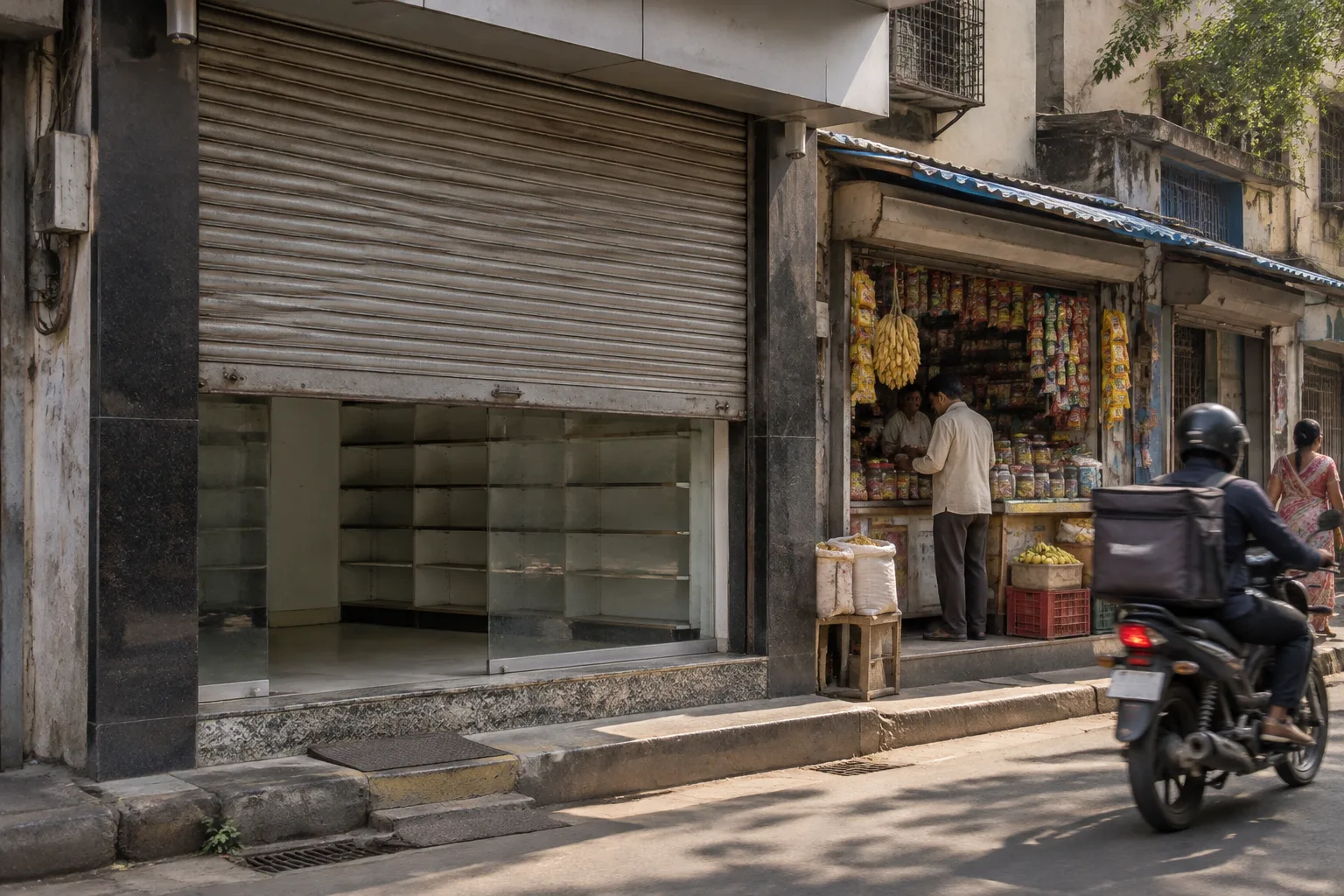
All 7-Eleven stores operated through Reliance Retail in India have closed, but the Japanese convenience-store chain has not ruled out a future presence in the country. According to a CNBC report dated 10 October 2026, a company spokesperson confirmed that its master franchise operator, Reliance Retail, had closed all 31 outlets by the end of September. For those considering franchise investment in India, the development highlights the need to focus on operating profitability alongside expansion.
Closure of 31 stores confirmed: why was a figure of 60 reported?
Early reports referred to around 60 stores, with most said to have closed. On 5 October, ETCFO reported, citing people familiar with the matter, that Reliance Retail and 7-Eleven were ending their five-year partnership. That report also noted that some stores were clearing their remaining stock before closing.
A subsequent report by Entrepreneur India on 7 October clarified the context behind the two figures. According to that report, around 60 stores operated under the format at its peak, with the network confined to Mumbai and Pune. Several of these outlets had already shut before the final round of closures.
In the same report, a spokesperson for Seven & i Holdings said that all 31 Reliance-operated stores had closed by 30 September 2026. CNBC's later report also confirmed the closure of 31 outlets. The earlier network of around 60 stores and the final 31 stores should therefore not be treated as figures for the same point in time.
A five-year partnership and mounting losses
Reliance Retail and 7-Eleven announced their partnership in 2021, after 7-Eleven's previous agreement with Future Retail had ended. The first store opened in Mumbai following the master franchise agreement with Reliance in October 2021. The aim was to establish the international convenience-store format in India by drawing on Reliance's retail network.
Financial performance, however, proved challenging. 7-India Convenience Retail, a wholly owned subsidiary of Reliance Retail, recorded revenue of approximately INR 920 million and a net loss of around INR 900 million in the financial year ended March 2026. Both CNBC and ETCFO cited these figures.
Citing Tracxn data, CNBC reported that losses had risen steadily from approximately INR 52 million in the financial year ended March 2022. According to ETCFO, the business failed to reach the scale needed to offset the relatively high costs of operating branded stores. These figures cover the business as a whole and should not be used to estimate the costs or losses of an individual outlet.
Tough competition from neighbourhood shops and rapid delivery
The closures reflect not only the pace of expansion but also local shopping habits. According to ETCFO's report, neighbourhood kirana shops — small, independent grocery stores — meet customers' immediate needs, while rapid delivery services bring snacks, groceries and everyday essentials to their homes within minutes.
In this competitive environment, organised convenience-store chains can struggle to charge a premium or generate enough sales per outlet to cover rent, staffing, stock and supply-chain costs. Even with an internationally recognised brand, customers still need a compelling reason to visit the store.
Analysts speaking to CNBC suggested that Japanese companies might find opportunities by offering something different from the traditional grocery-focused model. This was an analyst assessment, however, not a new India strategy announced by 7-Eleven.
Not a permanent departure from India, but the next step remains uncertain
A 7-Eleven representative told CNBC that the company still wanted to serve customers in India and was interested in exploring various options to grow its presence over the long term. Sohrab Bararia, a partner at Grant Thornton Bharat, viewed the closures as a rethink of the existing franchise arrangement rather than a withdrawal from India.
ETCFO's initial report raised the possibility of a search for another Indian partner, but also made clear that no decision had been taken. A new partner, reopening date or future operating model should therefore not yet be regarded as a confirmed plan.
Practical takeaway: Prospective franchise investors should assess local demand, costs per outlet, competition and contractual termination provisions alongside brand recognition. Expansion targets are only useful if the underlying store economics are sustainable.
Sources
- Reliance Retail, 7-Eleven end a five-year India franchise deal as convenience stores struggle
- Why Japan's 7-Eleven store closures in India don’t signal an exit
- अब बंद हो जाएंगी ये 60 दुकानें, रिलायंस ने तोड़ डाली 7 साल पुरानी ...
- 7-Eleven Shuts All India Stores Amid Franchise Losses, ...
- Reliance Retail, 7-Eleven To End India Partnership After 5 Years, Most Of 60 Stores Likely To Shut
- मुकेश अंबानी ने दुनिया की सबसे बड़ी कन्वीनियंस-स्टोर चेन से नाता ...
- मुकेश अंबानी की कंपनी ने तोड़ दिया जापानी फर्म के साथ समझौता, ...
- Reliance Closes All 7-Eleven Stores in India - Entrepreneur India