Franchising in Hong Kong: Setting Fit-Out Standards and Inspection Responsibilities
A consistent brand identity does not mean every franchise outlet must copy the flagship store. From fit-out specifications and budget approval to concealed works and inspection records, franchisors should distinguish brand requirements from professional responsibilities to reduce disputes.
Published
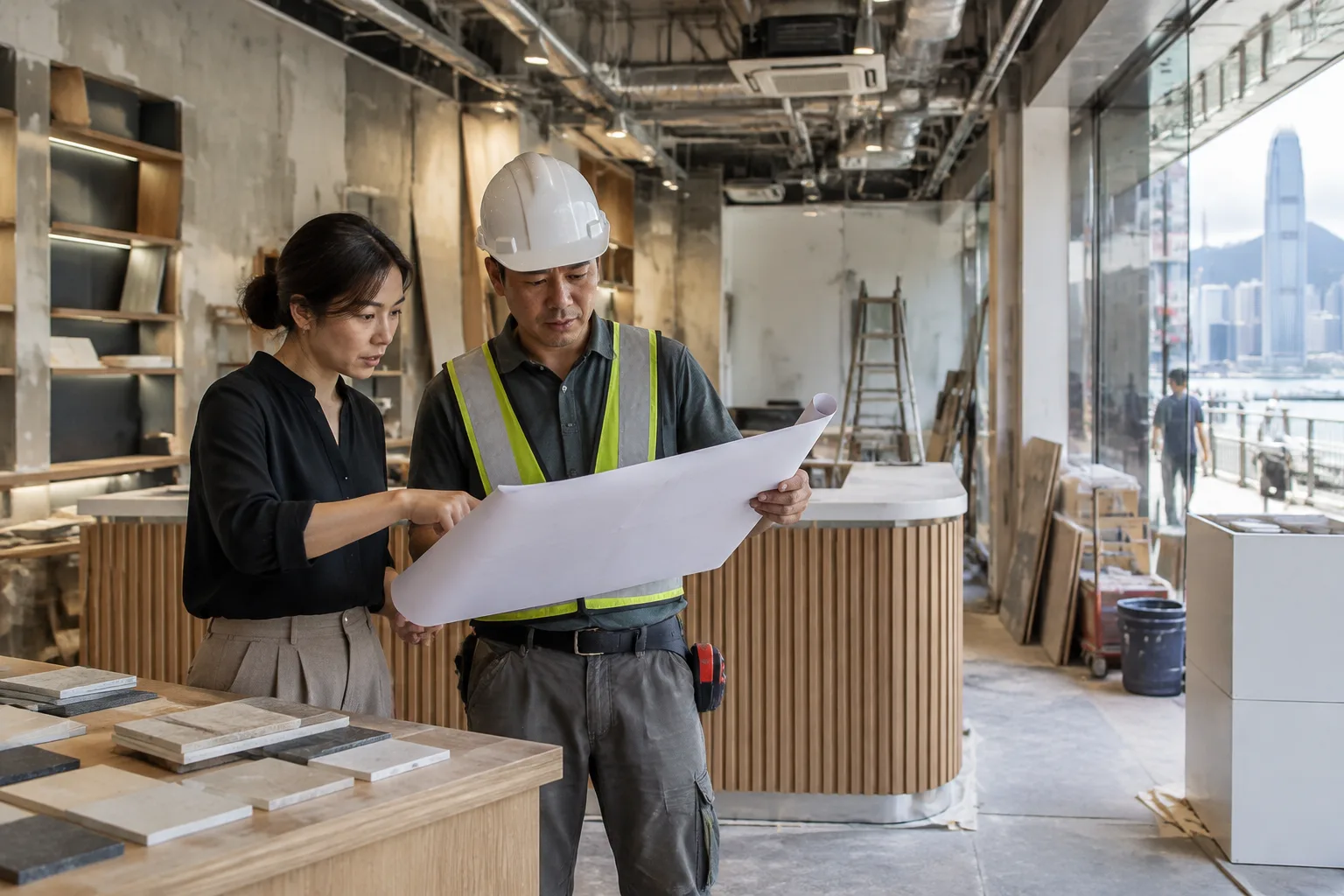
A successful existing outlet does not necessarily have a fit-out that can be replicated elsewhere. Ceiling heights, drainage, power supplies and fire safety provisions vary between commercial premises in Hong Kong. If the franchisor simply requires outlets to be “fitted out to brand standards”, franchisees will struggle to estimate costs, while contractors may interpret the requirements differently. Before building a franchise network, turn fit-out requirements into a system that supports accurate quotations, inspections and clear allocation of responsibilities, rather than relying on photographs of a model outlet.
1. Separate brand specifications from statutory requirements
Hong Kong has no legislation specifically governing franchising, nor any mandatory disclosure or registration regime dedicated to franchises. The relationship between the parties is primarily governed by their contract, alongside common law contract principles, the Misrepresentation Ordinance and other applicable legislation. Fit-out works must comply with the Buildings Ordinance, fire safety rules and relevant licensing requirements where applicable. A franchise agreement cannot replace statutory procedures.
The franchisor should divide fit-out specifications into three categories:
- Brand essentials: These might include signage proportions, principal colours, service counter design and customer circulation routes. Specify dimensions, materials and acceptable alternatives.
- Operational essentials: These might include equipment power supplies, drainage, storage space and cleaning areas. Explain the functional requirements rather than specifying appearance alone.
- Flexible elements: These might include decorative lighting, display units and seating layouts. Allow alternatives that suit the premises and budget.
Decisions involving structural work, fire safety, electrical installations or other regulated works should be handled by appropriately registered professionals or qualified contractors. The franchisor’s written approval of drawings for brand purposes should not be presented as a guarantee that the works are lawful, safe or eligible for licensing.
2. Use a pilot outlet to build a fit-out information pack that contractors can price
A pilot outlet is valuable not just as an attractive showcase, but also as a way to identify works prone to cost overruns or rework. The franchisor should retain drawings, material schedules, equipment specifications, quotations, variation records and defects identified during inspections, then compile them into a fit-out information pack for franchise outlets.
Quotation schedules should separate demolition and strip-out, general building works, mechanical and electrical works, equipment installation and branded finishes. They should also identify items that can only be confirmed following a site survey. Do not treat the total fit-out cost of one company-owned outlet as a fixed cost for every site, or present an estimate as a promise.
For example, the model outlet may be able to use existing drainage, while a new site may need a different arrangement. The information pack should prompt franchisees to check site conditions before finalising the works budget, rather than discovering that equipment cannot be installed only after it arrives.
If the franchisor nominates a contractor, the agreement must explain who appoints and pays the contractor, and who pursues remedies for defective work. Inclusion on an approved list does not automatically mean the franchisor guarantees the contractor’s performance. Equally, the franchisor should not claim to manage the works in full while using vague clauses to disclaim all responsibility. The services actually provided, franchise recruitment materials and contract wording must be consistent.
3. Define approvals, variations and cost allocation in the agreement
Fit-out specifications can sit in a schedule or technical manual, but the franchise agreement should identify the applicable version, the order of precedence between documents and approval authority. At a minimum, it should answer: who submits drawings, who checks brand requirements, who handles professional sign-off and who can require changes to the works?
There should be a written procedure for variations. Each variation should record its reason, revised drawings, additional cost, impact on the programme and responsibility for payment. Work should not normally proceed on verbal instructions alone before the appropriate authorisation has been obtained. Where there is an immediate safety risk, follow professional advice first and complete the records afterwards.
Costs can be allocated according to the reason for the change:
- If the franchisee requests additional decoration or a different layout, first establish whether this affects brand or operational requirements, then agree the costs between the parties.
- If site conditions emerge that could not be confirmed beforehand, obtain a professional assessment and quotation before deciding how to proceed under the mechanism set out in the agreement.
- If the franchisor introduces additional brand requirements after approval, it should explain why they are necessary and deal with the extra costs under the arrangements agreed in advance. It should not assume that the franchisee must bear all of them.
If the franchisor charges for design, project coordination or acceptance inspections, it should also specify the scope of services, the number of revisions included and how additional charges are calculated. This helps prevent franchisees from assuming these services are covered by the franchise fee.
4. Inspect in stages and retain records of defects and remedial work
Acceptance inspections should not be left until the day before opening. A staged process is advisable, covering inspections of concealed works, equipment testing and a final brand compliance check, with appropriate personnel responsible for each part. Professional inspections before pipes and cables are covered up cannot be replaced by photographs taken after completion. Likewise, a franchisor’s review of signage and displays cannot replace statutory inspections.
Each inspection should record the date, participants, photographs, test results and a list of defects. Classify defects as safety or compliance issues, issues affecting normal operations, or purely cosmetic problems. For each category, specify the remedial action, the person responsible and any reinspection requirements. An “open first, deal with it later” approach is not acceptable for issues that could affect lawful or safe operation.
Acceptance forms should accurately describe what is being confirmed. For example, “meets the brand’s visual requirements” does not mean “the works comply fully with all applicable requirements”. The works contract should also set out arrangements for rectifying defects, handing over maintenance documentation, and whether acceptance or payment affects the right to pursue defects later. A lawyer should review these provisions against the actual arrangements.
Finally, the franchisee should receive as-built drawings, equipment instructions, maintenance information and contractor contact details. The franchisor should retain the document versions and records relating to brand approvals. These documents are not merely opening records: they are an important reference for future maintenance and alterations.
Practical takeaway: Test the fit-out information pack at one pilot outlet before using it to recruit franchisees. Confirm that contractors can price the works from it, franchisees can understand the costs and professionals can identify their inspection responsibilities. A genuinely replicable fit-out system depends on clear specifications and responsibilities, not on making every outlet look identical.