BPS Global Wins Dongguan Logistics Park Operating Contract: Implications for Hong Kong’s Franchise Sector
BPS Global has announced that its Dongguan logistics subsidiary has secured a concession to provide public cargo terminal operating services at the Hong Kong International Airport Logistics Park in Dongguan. Operational and management preparations are under way. For Hong Kong’s franchise sector, the key details to watch are service coverage, charges and launch arrangements.
Published
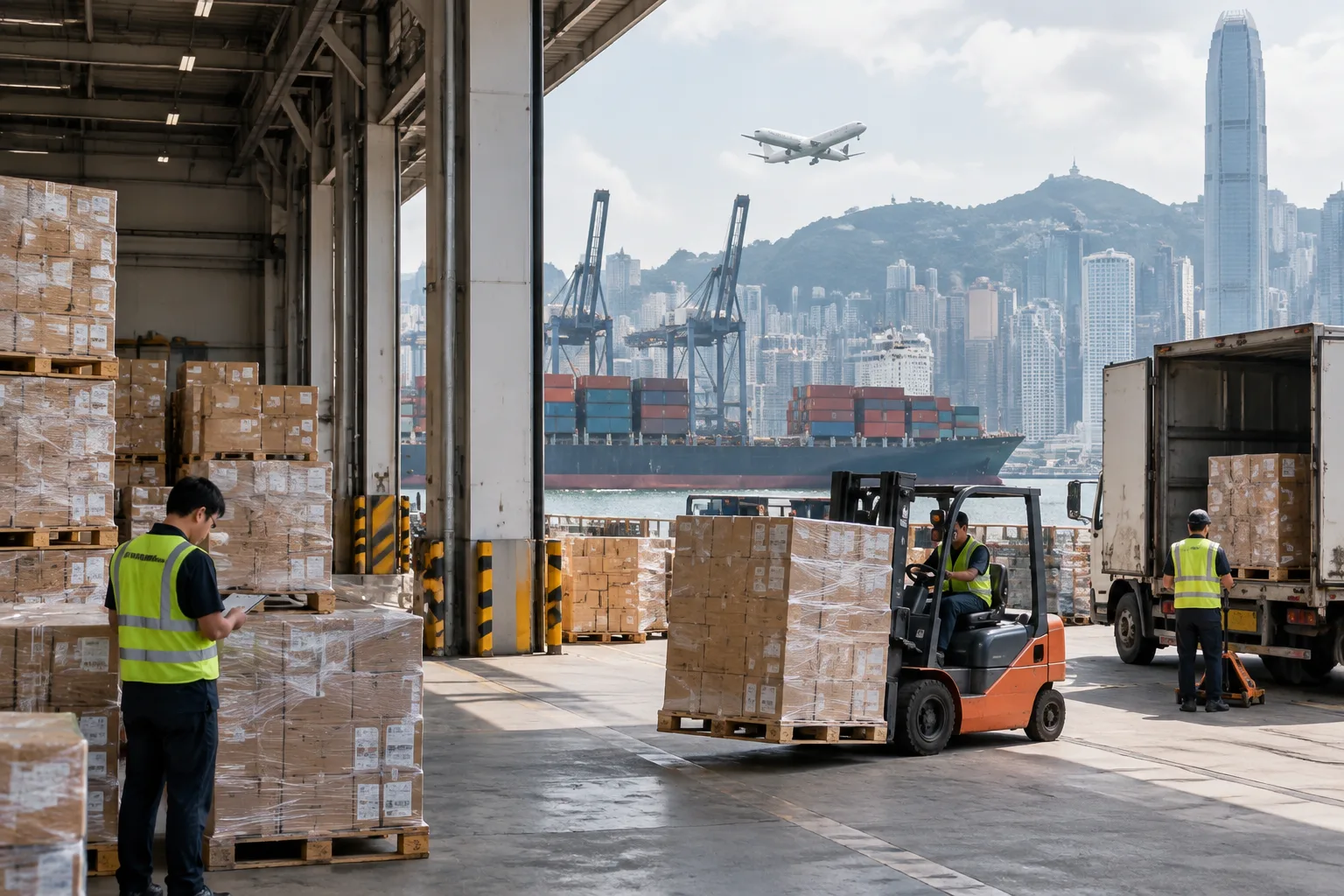
BPS Global Group has announced that its subsidiary, BPS Global Logistics (Dongguan) Co., Ltd., has secured a concession to provide public operating services for the concession cargo terminal at the Hong Kong International Airport Logistics Park in Dongguan. Preparations for operations and management are now under way. The announcement concerns logistics links between Hong Kong and Dongguan. For Hong Kong’s franchise sector, particularly businesses with cross-border sourcing or delivery needs, the key question is how the project will translate into freight services they can use.
Contract secured, with operational preparations still under way
According to a group announcement published on the BPS Logistics Technology website, the contract was awarded to BPS Global’s Dongguan subsidiary. It covers public operating services for the concession cargo terminal at the Hong Kong International Airport Logistics Park in Dongguan. The announcement states that the group is making every effort to prepare for the associated operational and management work.
The confirmed progress is therefore the award of the contract and the start of preparations, rather than the full launch of all services. The announcement supplied for this article does not specify the contract term, a firm opening date, cargo handling volumes, a tariff schedule or customer application procedures. It is therefore not possible to establish when businesses will be able to use the services or calculate actual transport costs.
The announcement describes the contract as having been secured ‘recently’, but the supplied material does not include a publication date. This timing limitation should be kept in mind: the news should not be presented as confirmation of an opening on a particular date or of new services introduced this month.
Sea–air logistics is the goal, but scale and efficiency claims remain unproven
In its announcement, BPS Global says it aims to create the largest and most efficient sea–air logistics hub in the Guangdong–Hong Kong–Macao Greater Bay Area. This is the company’s development ambition, not a ranking or efficiency record already substantiated by operating data.
The priority when assessing this news is therefore to track subsequent disclosures rather than treat an ambition as an achievement. Potential users will need further details on the types of cargo accepted, transport connections, cargo handover arrangements, and contact and resolution procedures in the event of delays. These details are not available in the current material.
For franchise brands and franchisees, the suitability of the logistics arrangements cannot be determined solely by the hub’s intended scale. Sourcing locations, replenishment frequency, product storage requirements and shop-level delivery conditions should all form part of their assessment. Businesses should not assume in advance that the new facilities will necessarily offer faster or cheaper services.
A supply-chain development, not a signal for outlet expansion
The announcement does not disclose any plans by retail or food and beverage brands to recruit franchisees, open outlets or enter the Hong Kong market. Its relevance to Hong Kong’s franchise sector lies primarily in potential support for cross-border supply chains, rather than new franchise investment opportunities.
Brands that rely on cross-border sourcing can, in due course, ask the operator whether its services will accommodate their goods and transport requirements. Franchisees whose purchasing and logistics are managed centrally should first establish whether their head office is assessing the services. The award of a public operating concession does not, in itself, mean that individual outlets can access the services directly, nor that existing supplier arrangements will automatically change.
There is also no information at this stage showing that the contract has already reduced freight costs, accelerated replenishment or lowered inventory levels for franchisees. Treating it as a logistics development worth monitoring, rather than immediately interpreting it as a boost to outlet expansion, is more consistent with the information currently available for verification.
Next steps: obtain the terms, then compare actual costs
Brands interested in the project can first prepare details of their cargo types, expected volumes, origins, destinations and delivery deadlines, then request service information from the operator. When comparing options, they should ask for a clear breakdown of applicable charges, cargo handover requirements, liability for cargo damage and arrangements for handling disruptions, rather than comparing freight rates alone.
The research available for this article does not include independent operating data or the full contract terms. It is therefore insufficient to assess the project’s specific benefits for Hong Kong’s franchise sector. Formal service announcements, pricing information and operating performance disclosures would provide a firmer basis for sourcing and delivery decisions.
Practical tip: Add this contract announcement to your logistics watchlist. Obtain verifiable details of service coverage, schedules and pricing before considering changes to existing delivery arrangements.