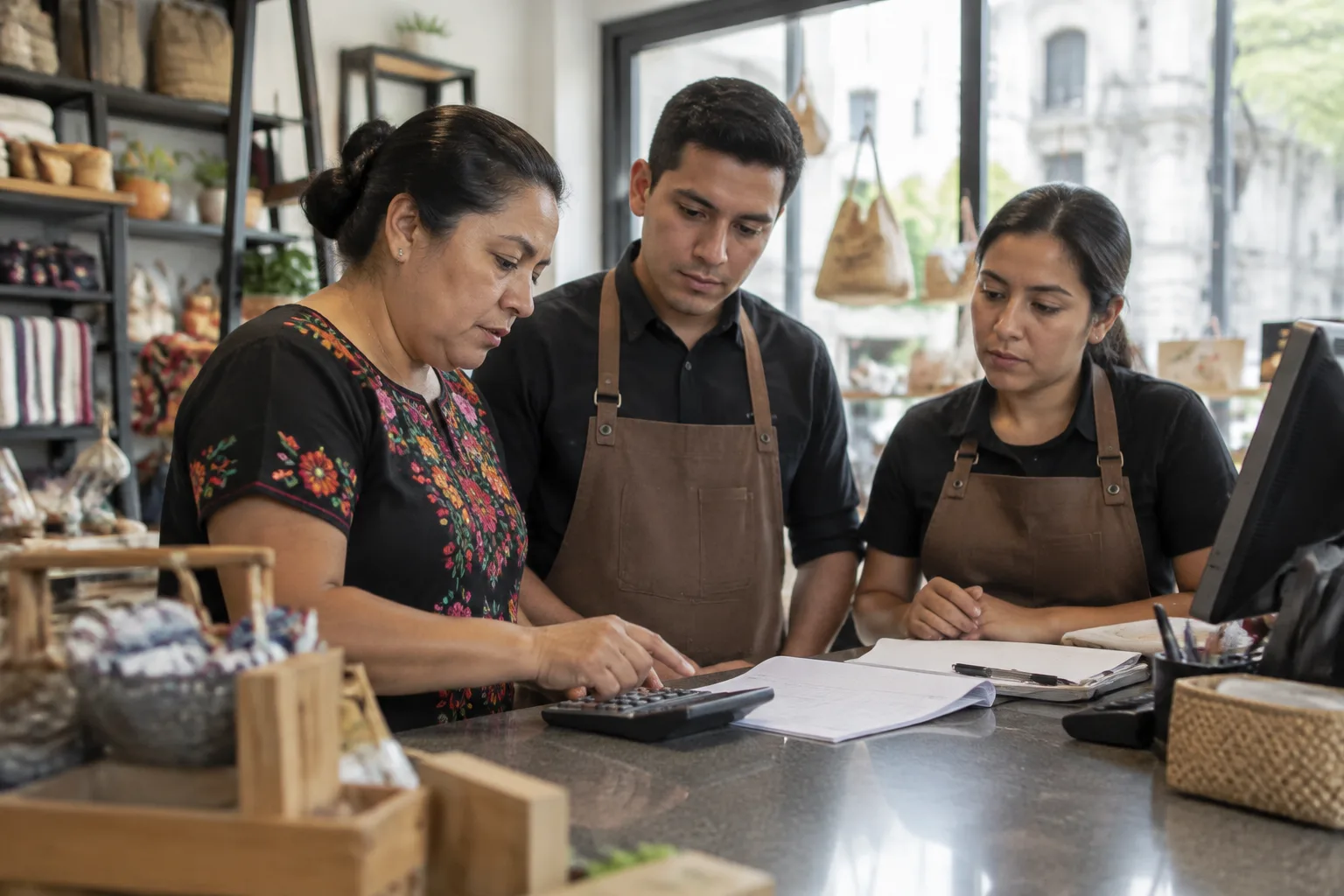
Supply Planning for Franchising Your Business in Guatemala
Assess suppliers, deliveries and mandatory purchasing requirements before franchising your business in Guatemala, with clear rules to prevent shortages.
Published
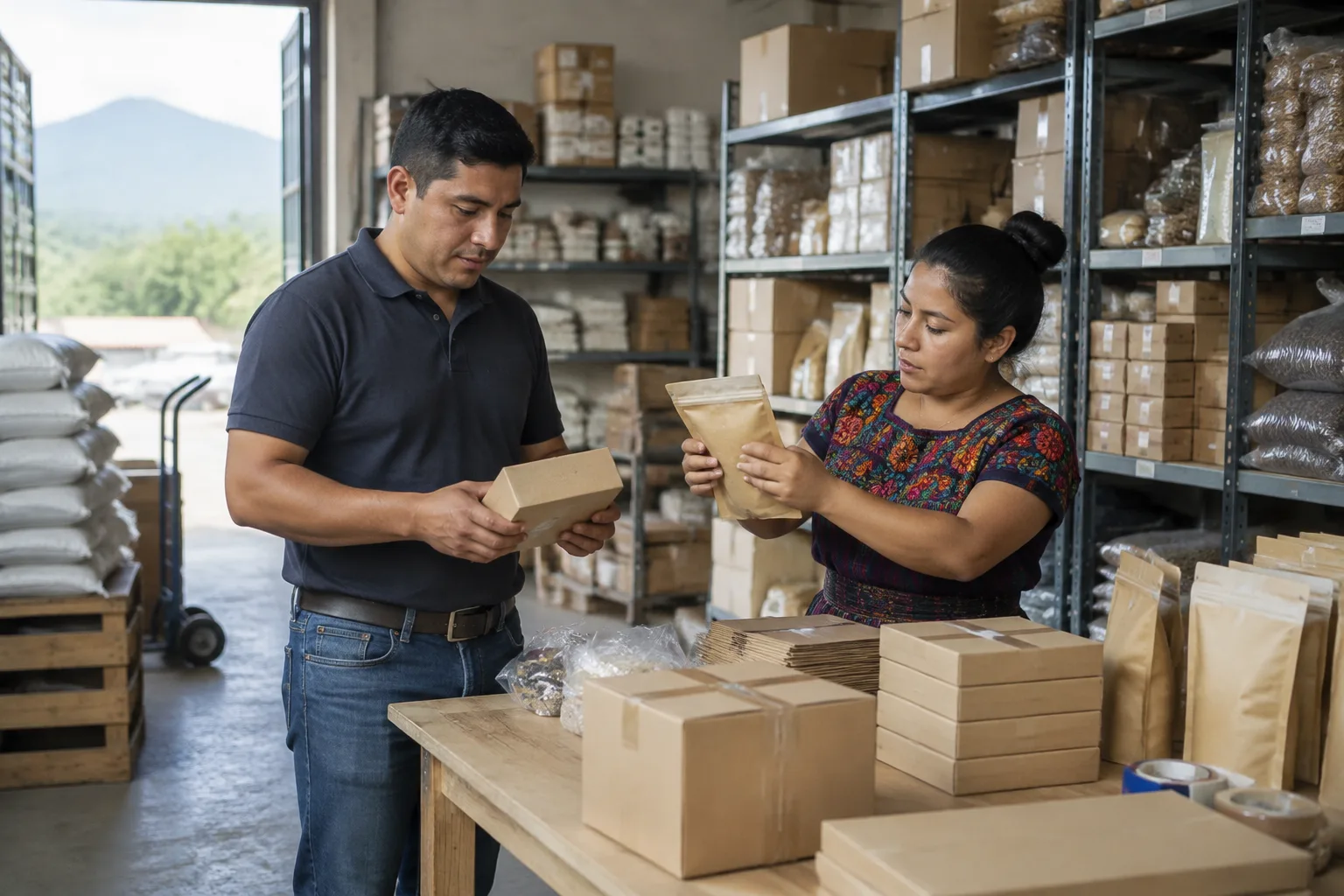
A business may run smoothly at a single location yet still be unprepared to supply outlets operated by others. Before entering Guatemala’s franchise market as a franchisor, check that essential supplies can be delivered reliably, at the required quality and at sustainable costs. This guide explains how to prepare your supply arrangements and turn their terms into clear commitments, rather than relying on verbal agreements with suppliers.
1. Identify which supplies could hold back expansion
Start with a list of the products, ingredients, packaging, spare parts and equipment needed to deliver what you promise customers. Not all require the same level of control: a proprietary component could bring operations to a halt, while a generic item may have substitutes that do not affect the customer experience.
Classify each item using three questions:
- Identity: Would replacing it change the result customers recognise?
- Availability: Are there alternative suppliers able to deliver to your planned locations?
- Impact: How long can the outlet operate if supplies stop arriving?
For each critical item, record its technical specification, supplier, usual delivery lead time, storage requirements and available alternative. Avoid descriptions such as “superior quality”: use verifiable characteristics, such as material, dimensions, compatibility or storage conditions.
Also distinguish between current capacity and promised capacity. A supplier’s ability to serve your existing outlet well does not prove that it can supply several locations simultaneously. Ask for evidence of capacity and agree how increases in demand will be handled, especially if the supplier relies on imports or a single manufacturer.
2. Check the true cost of supplying another location
The purchase price alone does not represent the cost of supply. Add transport, storage, losses, returns and capital tied up in stock. Where relevant, include refrigeration, insurance and import costs.
Prepare a fact sheet for each planned location covering:
- Delivery frequency and minimum order quantity.
- Total cost of getting supplies to the outlet.
- Payment terms and when payment is received from the end customer.
- Stock needed to cover the replenishment lead time.
- Remaining shelf life when the product arrives.
A commercial arrangement may suit your original business but disadvantage a franchisee. For example, buying packaging in bulk may reduce the unit price, but require storage space the new outlet does not have or tie up cash needed for other payments.
Request quotations for specific destinations, not simply for “delivery in Guatemala”. Check delivery coverage, access and goods-receiving arrangements. Define what happens if the carrier arrives outside the agreed hours or delivers an incomplete order.
Expansion decisions should be based on the total delivered cost, not the volume discount offered.
3. Define mandatory purchases and their contractual basis
Guatemala has no specific franchise law or general mandatory pre-contractual disclosure regime for franchises. Franchise agreements fall within the framework of the Commercial Code, Decree 2-70, with the Civil Code, Decree-Law 106, applying on a supplementary basis. The Industrial Property Law, Decree 57-2000, is relevant to trade mark licensing and the protection of confidential information, as applicable.
Businesses must also comply with the Consumer and User Protection Law, Decree 6-2003, and any health, municipal or other requirements applicable to their products and premises. Do not confuse legal obligations with voluntary requirements for membership of an association.
With local legal advice, establish which purchases must be made from the franchisor, which must come from approved suppliers and which may be sourced freely provided they meet specifications. Justify restrictions by genuine quality, safety or consistency needs; do not present them as an automatic legal requirement.
The agreement and its schedules should specify who sells, invoices, transports and takes responsibility for defects; how prices are updated; what notice is required for changes; and how returns are handled. If the franchisor earns revenue from supplies or receives benefits from suppliers, explain how this works before signing to avoid mistaken expectations.
4. Prepare alternatives before offering the franchise
Create a procedure for shortages, delays and defective products. It should identify who receives the report, who authorises a substitution and what evidence they need to decide. Avoid making business continuity depend entirely on being able to reach the founder.
For critical supplies, assess an alternative supplier and retain samples or verification results. Where no substitute exists, define practical measures: safety stock, temporarily withdrawing the affected product or communicating with customers. Do not promise uninterrupted supply unless you can back that promise up.
Keep a record of complete deliveries, delays, rejected goods and resolution times. Review it with suppliers and assign responsibility for each outstanding corrective action.
Practical conclusion: before marketing your franchise, put together a critical supplies matrix, costs by destination, purchasing terms and a contingency plan. If any element depends on an informal promise, resolve it before committing a franchisee’s money and business operations.
Sources
- Los 10 mejores Abogados de Franquicias en Guatemala ...
- livinginguatemala.com › es › tramitesContrato de Franquicia en Guatemala 2026: Modelo Word y lo ...
- Ley de Franquicias en Guatemala: Guía Rápida para Graduandos
- ¿Cómo franquiciar su negocio? - Asociación Guatemalteca ...
- Afiliación
- Requisitos de Personas / Empresas - Portal SAT
- La importancia de las franquicias para hacer negocios en Guatemala - BLP Legal
- notarioguatemala.com › contratos › mercantilContrato de Franquicia Comercial — Modelo Guatemala (Word ...