Sales Reporting for Franchises in Guatemala
Define how to record, reconcile and share sales data across your future franchise network before bringing your first franchisee on board.
Published
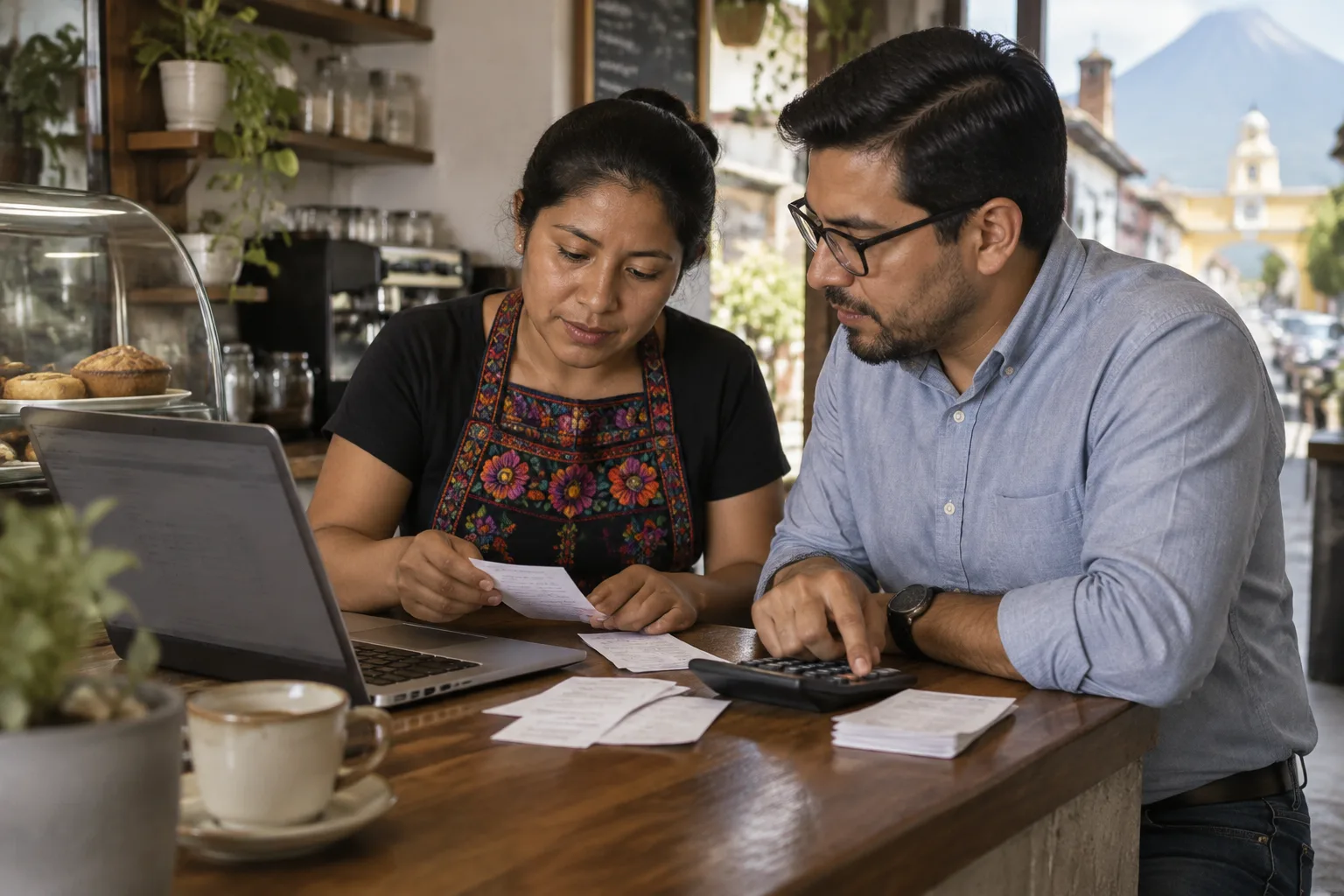
Before franchising a business in Guatemala, check that its sales figures can be explained and verified without relying on informal conversations. Consistent reporting helps you spot errors, understand results and enforce agreed terms. This guide explains how to prepare that reporting system before adding new outlets to your franchise network, without creating excessive oversight or confusing it with accounting for tax purposes.
1. Define what the report should cover
The first step is not to buy software, but to agree on a common language. If one outlet records sales when payment is received and another when the product is delivered, their results will not be directly comparable. The same applies when outlets treat discounts or returns differently.
Prepare a data dictionary describing each field, its source and when it is recorded. At a minimum, include:
- Outlet identification and reporting period.
- Sales by channel: over the counter, direct orders or third-party platforms.
- Discounts, voided transactions and returns, recorded separately.
- Taxes and other amounts collected, distinguished from sales.
- Payment methods and amounts awaiting settlement.
- Closing date and the person responsible for preparing the report.
Also define how to treat advance payments, vouchers and cancelled orders. The aim is to prevent the same transaction from being counted twice or falling between reporting periods.
Do not use ‘sales’, ‘payments received’ and ‘bank deposits’ interchangeably. A sale may be paid for later, while a deposit may cover several days. If the report is used to calculate a contractual payment, its definitions must match the agreed basis of calculation rather than changing it to suit the system.
2. Design a reconciliation process that explains differences
A useful report must be traceable to supporting documents. Receiving a monthly figure in a message is not enough. Establish a process for comparing recorded transactions with the corresponding payments and settlements.
For example, a delivery platform may transfer less than the value of the orders because it deducts commission or other charges. Recording only the transfer as sales would distort that channel’s performance. The report should show transactions, documented deductions and the amount received separately.
Organise reconciliation into three steps:
- Compare transactions with closing totals: check that the summary matches the sales system records.
- Compare payments received with settlements: identify cash, card payments, bank transfers and outstanding balances.
- Explain differences: document returns, commission, timing differences or data entry errors.
Assign responsibility for preparing and reviewing the information, and specify who may correct it. Keep the original version and record the reason for each adjustment; overwriting figures without an audit trail makes disputes harder to resolve.
Before requiring a franchisee to follow this process, apply it in your own outlet. Check how much work it involves, which data is missing and whether someone else can interpret the differences using only the instructions.
3. Put obligations in the right document
Guatemala has no franchise-specific law or special mandatory pre-contractual disclosure regime for franchising. A franchise agreement is considered an atypical commercial contract, meaning it is not a specifically regulated contract type. Relevant legislation includes the Commercial Code, Decree 2-70, and, on a supplementary basis, the Civil Code, Decree Law 106. The Industrial Property Law, Decree 57-2000, governs matters such as trade marks and their licensing, but does not prescribe a sales reporting format for franchises.
Do not therefore present your template as a national legal requirement. It is a management tool, and the obligations associated with it should be agreed and reviewed by local legal advisers.
Divide the content practically:
- Agreement: the reporting obligation, its purpose and frequency, permitted access, confidentiality and the process for resolving discrepancies.
- Technical schedule: fields, formats, sources and reconciliation rules.
- Operating instructions: steps for generating, reviewing and submitting the report.
The QFA code of conduct promotes clear obligations and good faith. It is an association’s guidance, not Guatemalan law or government authorisation. This internal report also does not replace invoicing, accounting records or applicable tax obligations.
4. Limit access and turn data into decisions
Request only the information needed for the agreed purposes. A sales summary will not normally need customer names or full payment details. Set role-based permissions and avoid sharing passwords between outlets.
Also agree on how reports will be exported and retained if the software changes. Information should not become inaccessible because access depends on a single personal account.
When reviewing results, compare equivalent periods and channels. A fall in bank deposits does not, on its own, prove that sales have fallen; check outstanding settlements first. Give the franchisee specific feedback and ask for clarification before drawing conclusions.
Practical application: prepare a data dictionary, a sample report and a complete reconciliation for your existing business. If the figures can be reconstructed without verbal explanations, you will have a stronger foundation for sharing information with your future franchisees.
Sources
- notarioguatemala.com › contratos › mercantilContrato de Franquicia Comercial — Modelo Guatemala (Word ...
- Código de Conducta para Franquicias en Guatemala
- Franquicias Guatemaltecas | PDF
- Cómo franquiciar tu negocio en Guatemala | QFA
- La importancia de las franquicias para hacer negocios en Guatemala - BLP Legal
- Guatemala - Franchising | Privacy Shield
- Guatemala Franchise Market
- The importance of franchises to do business in Guatemala - BLP Legal