Confidentiality When Franchising in Guatemala: What to Protect
Protect recipes, processes and data when franchising in Guatemala with clear agreements, restricted access and an exit procedure.
Published
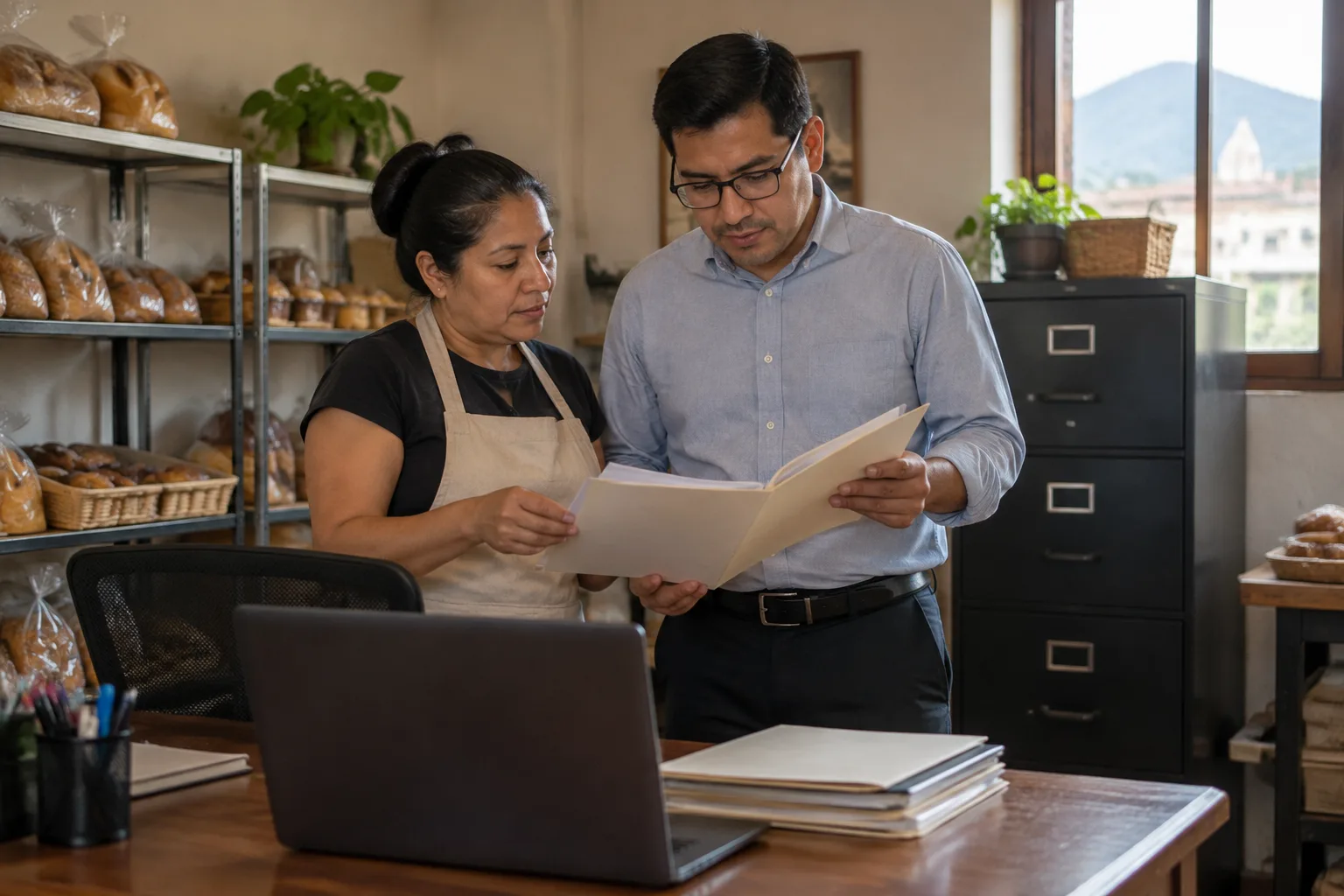
Franchising an existing business means sharing know-how that previously stayed within the company. Recipes, production settings and calculation methods may reach prospective franchisees, franchisees and their staff. The challenge is not to keep everything hidden, but to provide what is needed to operate without losing control of valuable information. A franchise network needs trust, but also confidentiality rules whose compliance can be checked.
1. Identify which information deserves protection
Before drafting an agreement, take stock of the know-how that gives your business a practical advantage. Avoid automatically classifying every document as secret: published opening hours, a publicly available menu and advertised prices are not the same as an internal formula.
You can organise information into three groups:
- Public: marketing materials and aspects of the business that any customer can discover.
- Internal: instructions and documents used in day-to-day operations, to which access should be limited.
- Critical confidential information: undisclosed recipes, technical parameters, detailed cost structures or proprietary methods that are valuable because they are not generally known.
For each item, record who created it, where it is stored, who needs to consult it and what harm disclosure could cause. Also check whether you are entitled to share it: a document received from a supplier may carry its own confidentiality obligations.
Do not confuse protecting your brand with protecting operational know-how. Registering a distinctive sign, such as a trade mark, does not automatically make a recipe or procedure protected secret information.
2. Reflect that classification in the confidentiality agreement
Guatemala has no specific franchise law. A franchise agreement is treated as a commercial contract without a specifically defined statutory form and falls within the Commercial Code, Decree 2-70, with the Civil Code, Decree-Law 106, applying on a supplementary basis. The Industrial Property Law, Decree 57-2000, is relevant to the protection of trade marks and trade secrets.
Protecting a trade secret depends on more than simply labelling it ‘confidential’. What matters is its confidential nature, its commercial value arising from secrecy and the reasonable measures taken to keep it secret. A broad clause without effective controls may therefore be insufficient.
Before showing sensitive information to a prospective franchisee, seek Guatemalan legal advice to prepare an agreement defining:
- The information covered and the purpose for which it may be used.
- Who is authorised to receive it and the conditions for sharing it with advisers.
- Safeguarding measures and the procedure for reporting a leak.
- Exceptions, such as legitimately public information or disclosures required by a competent authority.
- The return, deletion and justified retention of documents.
- How long the obligations last, including their continuation after the relationship ends where appropriate.
The agreement should not act as a disguised restriction on someone's ability to work. Restricting the disclosure or use of secrets is different from limiting competitive activities. Nor does it replace the information a prospective franchisee needs to assess the investment.
3. Share information in stages and restrict access
Do not hand over your entire body of know-how during the first sales conversation. Plan staged access that reflects how far the relationship has actually progressed.
In an initial presentation, you can explain the concept and its requirements without revealing formulas. During a serious assessment, share enough financial information to make the model understandable, subject to confidentiality requirements where appropriate. Critical operational details should be provided when they are needed and the appropriate contractual framework is in place.
Once the franchisee has joined the network, assign permissions by role. Someone responsible for the till does not necessarily need access to the production formula; an accounting adviser may need figures without access to technical processes.
Use individual accounts, keep records of information supplied and avoid shared passwords. Label document versions and specify who may download, print or edit files. If physical copies exist, define where they are kept and how they are replaced.
The contract should address access by the franchisee's employees, advisers and contractors. Do not simply assume they are bound by an agreement they have not signed: review which commitments and controls are appropriate for each relationship.
4. Prepare for leaks and the end of the relationship
Establish a reporting channel for lost documents, emails sent in error or suspicious access. If an incident occurs, preserve evidence, restrict compromised access and seek legal advice before assigning responsibility or seeking penalties.
When the relationship ends, follow a closure checklist: disable accounts, recover documents, remove permissions and obtain a record of the actions taken. Distinguish between deleting operational copies and retaining records required by law or needed to exercise legal rights. Access to retained records should remain restricted.
Practical takeaway: before offering your first franchise, identify your critical know-how, decide when to share it and test how you will withdraw access. Confidentiality works when the contract and day-to-day operations are aligned.
Sources
- Doing Business in Guatemala
- notarioguatemala.com › contratos › mercantilContrato de Franquicia Comercial — Modelo Guatemala (Word ...
- La importancia de las franquicias para hacer negocios en ...
- Doing business in Guatemala
- Franquicias Guatemaltecas | PDF
- Guatemala - Franchising Guatemala - Franchising
- Resumen de Franquicias: Información y Proceso en ...
- How To Incorporate A Company In Guatemala